
Build a Custom Bamboo Office Product Program
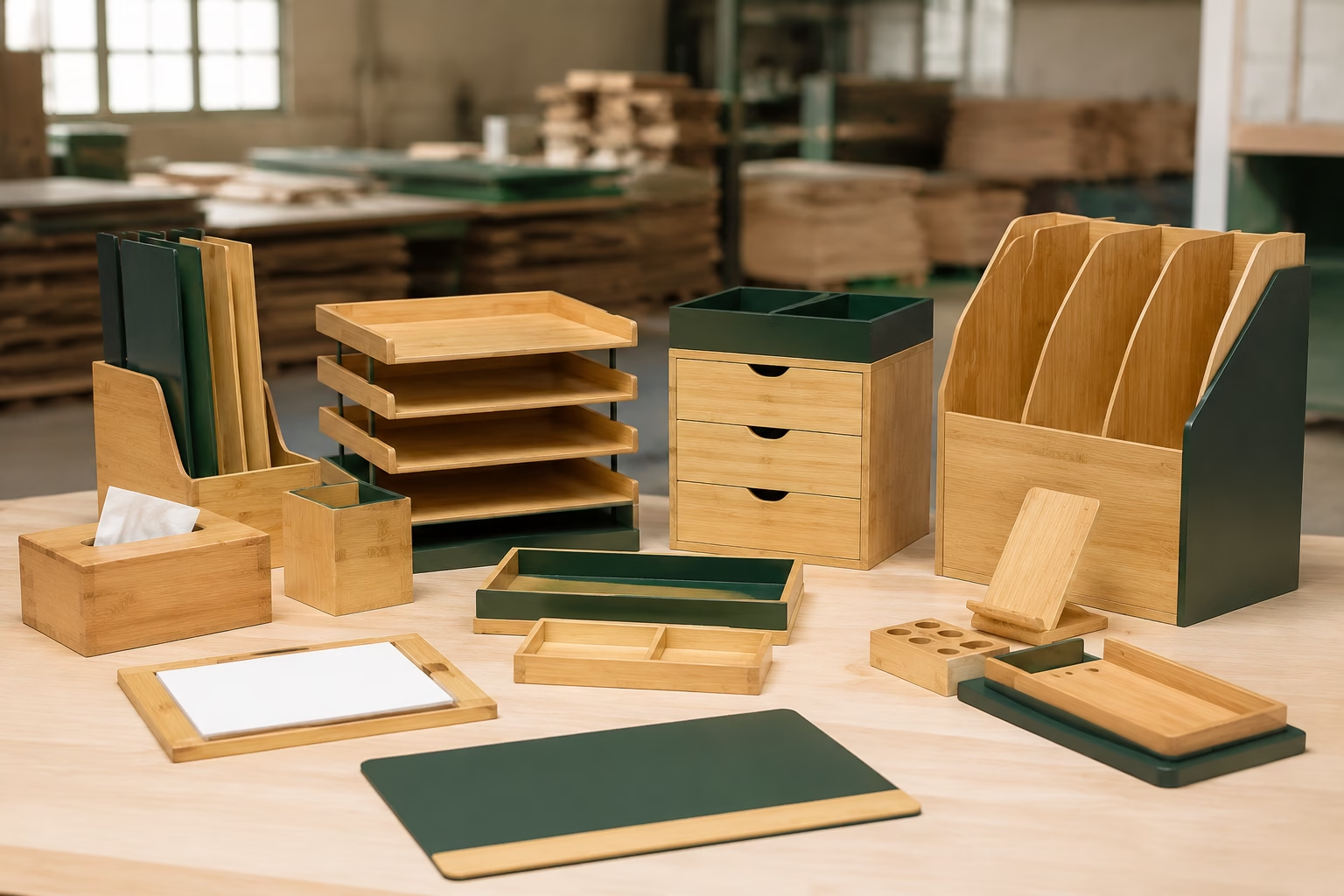
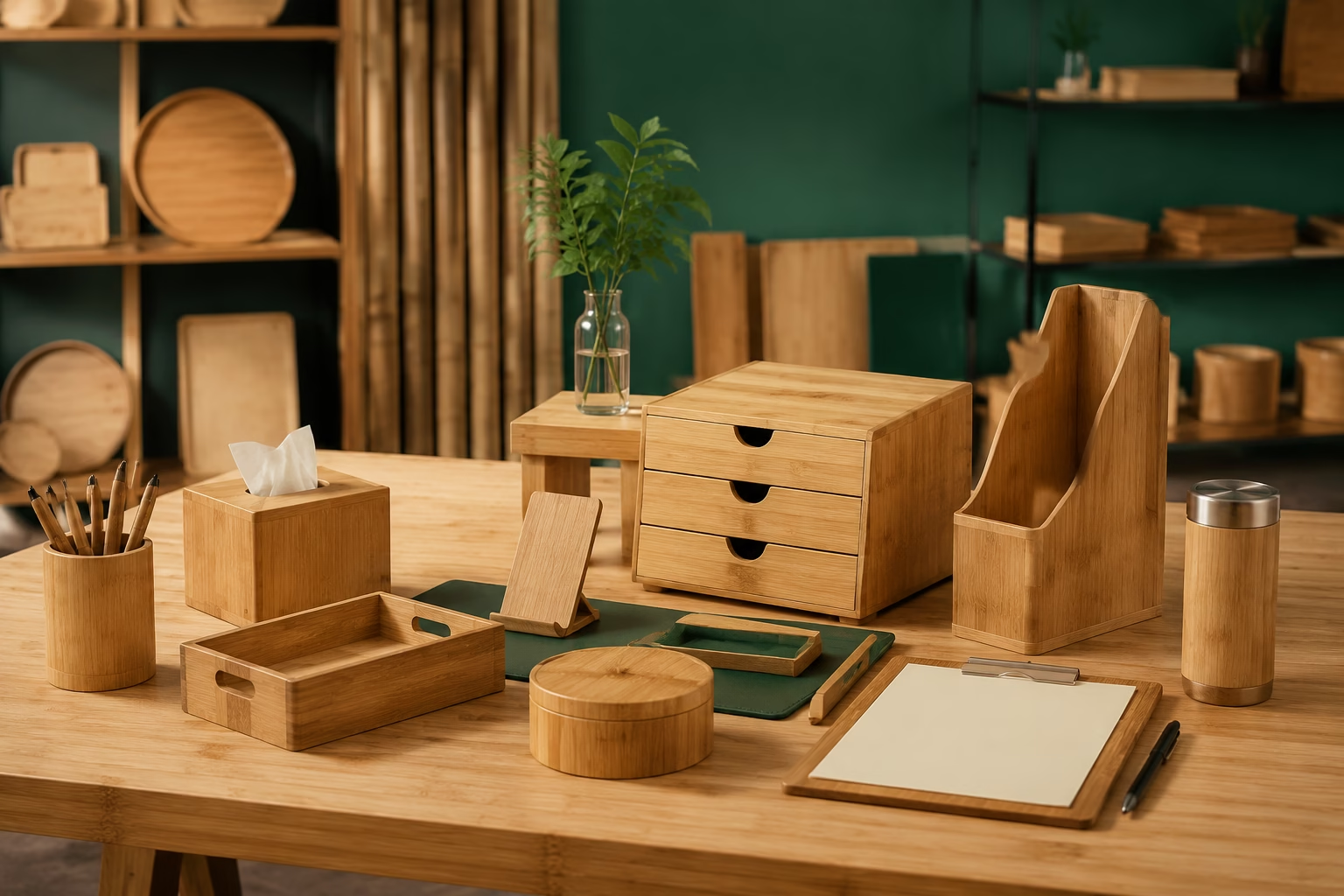
SHENGLIAN Bamboo & Wood Products develops coordinated bamboo and wooden office ranges for office product companies, lifestyle retailers and corporate gift suppliers. Desk organizers, file holders, document trays, display stands and related desktop accessories can be developed as individual items or as a connected commercial programme. Product design, development, manufacturing, quality management and international trade support are coordinated around your specifications, branding, packaging and expected quantities.
Plan the Range Around Clear Desktop Functions
A coordinated office programme starts with the role of each product. The range may combine personal desktop storage, document handling and presentation products, but each item needs a defined use. This prevents several products from competing for the same purpose and helps buyers create a balanced retail assortment or business-gifting range. Range architecture also affects pricing and development review. Each item has its own material use, processing steps, branding area and packaging volume. A programme brief should therefore identify which products are core items, which are supporting items and which may be presented together. Detailed specifications remain product-specific even when the visual direction is shared.
Define Desk Organizers by Layout and Daily Use
Desk organizers should be planned around the items they need to hold. A layout for pens and notes differs from one designed for a phone, documents or mixed desktop accessories. Define the intended contents first, then set the compartment sizes, access direction and overall footprint. Useful decisions include: We can review adjustments to material, structure, dimensions, appearance, function, branding and packaging against customer specifications or reference samples. The custom desk organizer page covers format-level development decisions in more detail.
The Number, Position and Depth of Compartments
The Overall Length, Width and Height
The Intended Desktop Items and How Users Reach Them
The Preferred Bamboo or Wood Material Direction
The Required Surface Appearance and Visual Relationship to Other Items
The Position Available for a Logo or Other Brand Element
Add File Holders and Trays to Support Document Flow
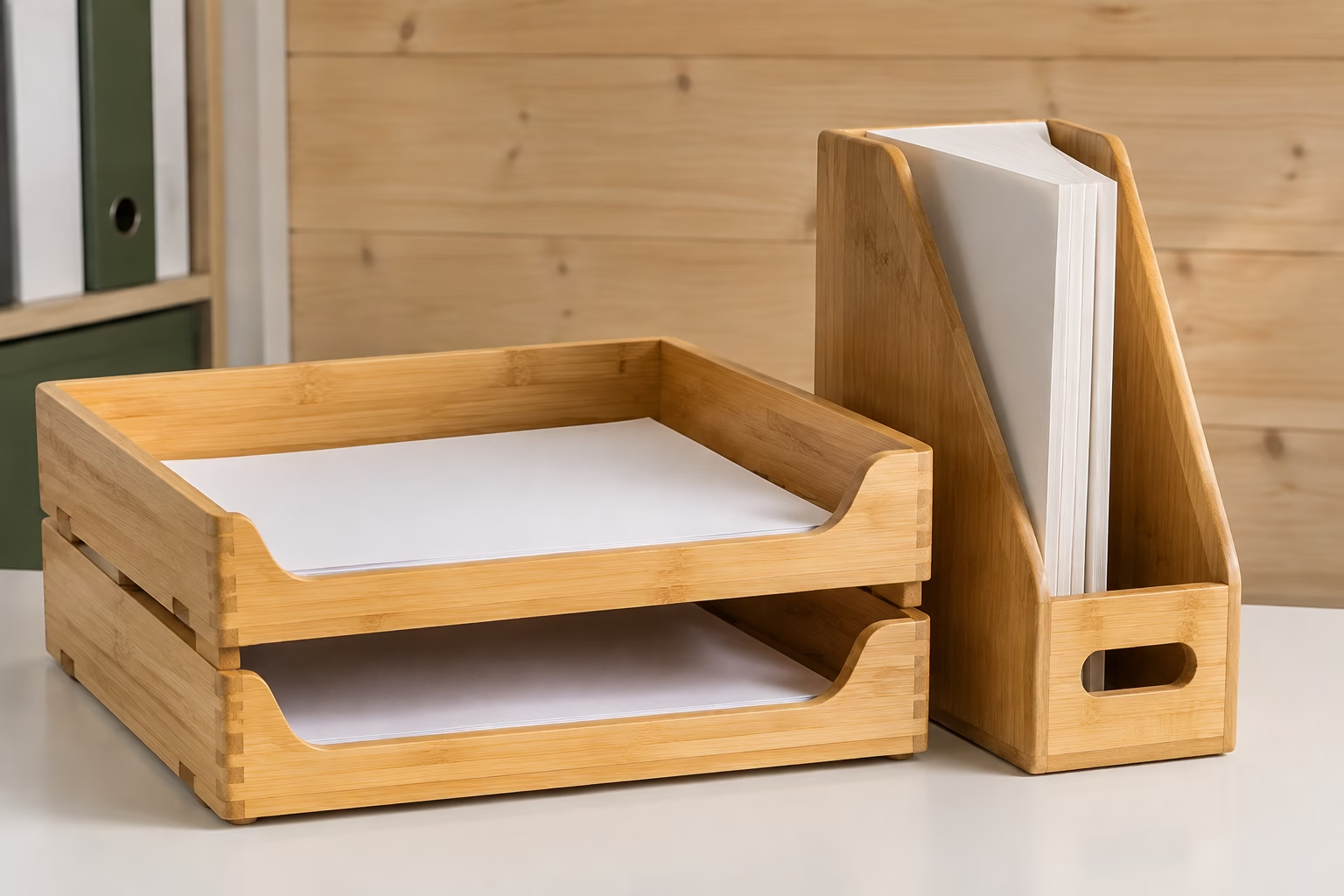
File holders and document trays give the range a clear document-handling function. Their structure should follow the paper size, document volume and access method expected in use. A vertical holder may support filing or separation, while a horizontal tray may suit incoming documents, active work or stacked storage. Specify the target paper format and any required clearance rather than relying on a general description such as standard office paper. State whether trays need to stack, how separate units should align and whether the product will be supplied assembled or in components. Structural layout, dimensions, assembly direction and finish all need review as related decisions. Visual consistency does not require every product to have the same proportions. A document tray can use the same material direction, edge treatment and branding logic as a desk organizer while retaining the dimensions needed for paper handling. For technical format planning, see file holders and document trays .
Use Display Stands for Information and Branded Presentation
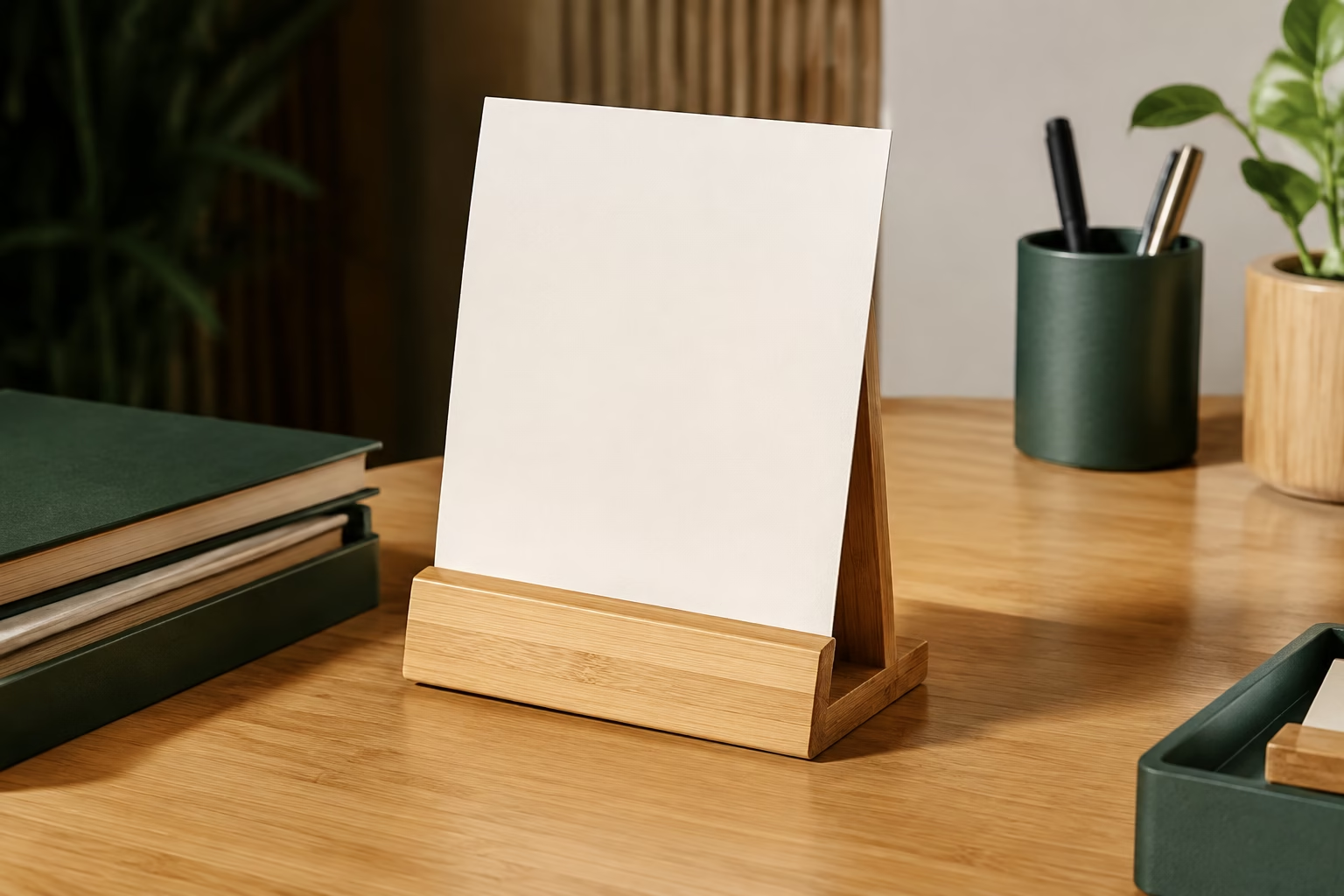
A display stand can introduce a presentation function to an office range. It may support an information piece, a product, a name display or another defined item on a desk, counter or office surface. Manufacturing review depends on the physical object being supported, not only on an image of the proposed stand. Provide the supported item dimensions, weight requirements where relevant to the brief, and the points where the item contacts the stand. The viewing angle and presentation position determine how the structure needs to hold the item. Buyers should also identify the intended viewing direction, available footprint, assembly concept and proposed branding location. These details allow our team to review structure, dimensions and processing requirements without assuming unsupported performance. The custom display stand page provides a focused route for stand-specific development.
Create One Material and Visual Direction Across the Collection
A related range needs a shared design language, but the same construction may not suit every format. Material selection should account for product use, structure, dimensions, appearance, processing and packaging. Bamboo and wood choices can be discussed against the supplied concept, drawing or reference sample. Our product development support covers material selection, structural development, dimensional adjustment and appearance review. At programme level, buyers can define a set of common design controls: The final material, structure and surface treatment must be confirmed for each item. A shared appearance should not hide functional differences between an organizer, a document tray and a display stand.
A Consistent Material Direction Across the Range
Related Forms, Edge Details and Proportions
A Surface Appearance That Can Be Reviewed on Each Product
Aligned Logo Locations or a Clear Placement Rule
Dimensions That Support the Intended Retail or Gifting Presentation
Coordinate Logo Placement and Decoration Methods
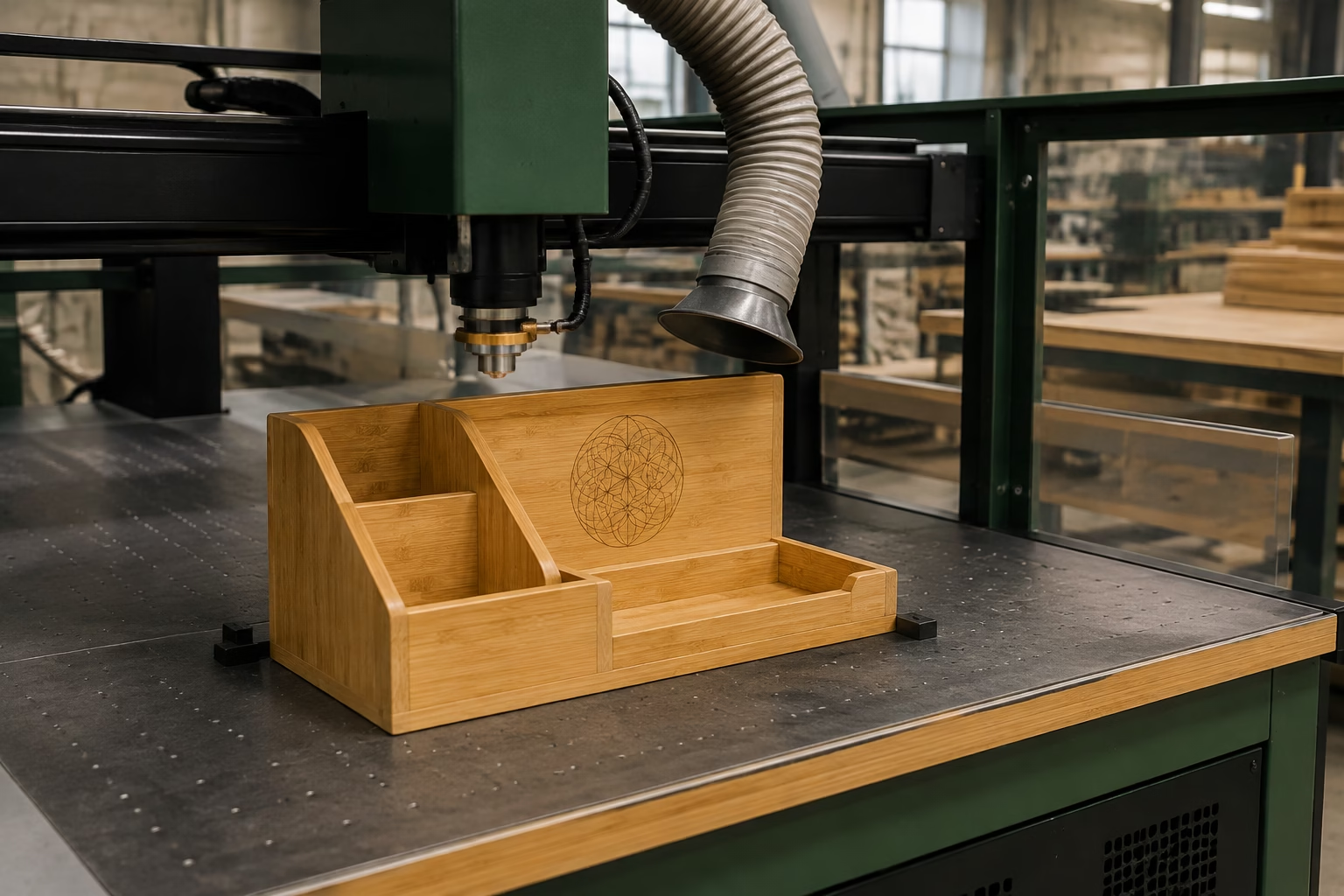
Branding should be planned across the full office range instead of added after product structures are fixed. Start by identifying the preferred logo location on every product. Consider the viewing direction, available surface area and how the mark will appear when several items are displayed together. SHENGLIAN provides laser engraving and screen printing for bamboo and wooden products. Laser engraving creates a mark through the engraving process, while screen printing applies graphic content to a selected surface. The suitable method depends on the product, artwork, surface and intended visual result. The proposed decoration should be reviewed on the actual item before bulk production. Supply the artwork, target size, placement and colour requirements where screen printing is requested. If different items have different branding areas, define a placement rule rather than forcing one logo size across every format. See our custom branding and decoration service for process-specific preparation and approval details.
Prepare Packaging for Retail Sets and Business Gifting
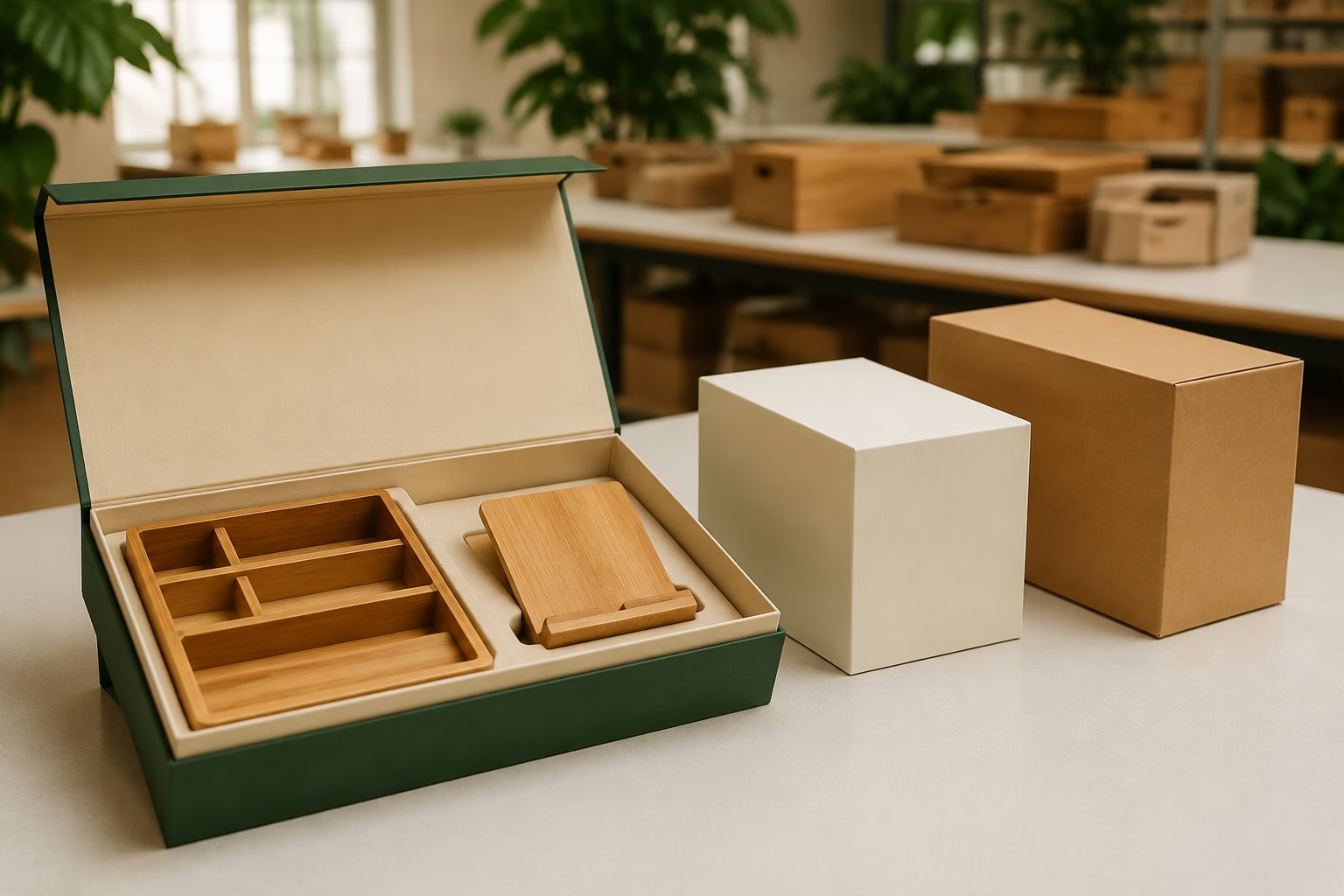
Packaging connects separate office products at the point of sale or presentation. A retail range may use individual packs with a common graphic system, while selected products may be combined for a business-gifting presentation. The product programme should identify which items are packed alone, which are grouped and how each pack will be handled before delivery. Standard export packaging and customized retail packaging are available. Project requirements may include packaging structure, printing, labels, barcodes, inserts and carton specifications. Each detail must be confirmed for the intended product and order. For multi-item presentation, provide the product arrangement and orientation inside the pack. An insert may need to separate surfaces, hold products in position or organize several components. Outer carton requirements should reflect the confirmed inner packaging and product quantity. Buyers who need a detailed packaging workstream can review our custom retail and export packaging support .
Move from the Range Brief to Development and Inspection
Development can begin from a concept, drawing, specification or reference sample. Our team reviews the supplied information and supports material selection, structural development, dimensional adjustment, prototyping and sample revisions. Production planning, quality coordination, packaging and export project communication follow the confirmed product requirements. SHENGLIAN has more than 120 employees, including a product design and development team of approximately 12 people. The team supports drawing review, structural development, prototyping, sample revisions, production planning, custom packaging and export project communication. A range-level quotation requires the product list, expected quantity for each item, dimensions, material direction, branding details, packaging requirements, any applicable testing needs and delivery requirements. Commercial and delivery terms are confirmed for the specific project.
Define the Range. Identify Each Product, Its Intended Function and Its Place in the Programme.
Review Drawings and Requirements. Confirm Dimensions, Structure, Material Direction, Appearance, Branding and Packaging for Each Item.
Develop and Revise Samples. Review Physical Form, Function, Dimensions, Branding and Presentation Before Production Details Are Released.
Coordinate Production. Relevant Work May Include CNC Machining, Sanding, Surface Finishing, Decoration, Assembly, Inspection and Packaging.
Apply Quality Checkpoints. Procedures Cover Incoming Material Inspection, First-Article Approval, In-Process Inspection, Finished-Product Inspection and Pre-Shipment Inspection.
Questions About Coordinated Office Product Ranges
A programme can combine desk organizers, file holders, document trays, display stands and related functional office accessories. The right mix depends on the intended desktop tasks, sales format and presentation goal. Each product still needs its own specification and feasibility review. Identify the proposed products, intended use, target dimensions, material direction and expected quantity for each item. Include drawings or reference samples where available. Also provide branding artwork, packaging needs, testing requirements where applicable and delivery information relevant to quotation. Yes. Buyers can coordinate material direction, form, surface appearance, edge details and branding across different products. Structure and dimensions remain specific to each function, so visual consistency is reviewed together with product feasibility. Verified branding processes include laser engraving and screen printing. Selection depends on the artwork, product surface, placement and intended result. The branding method and appearance should be reviewed on the selected item. Confirm whether products are packed individually or as a set, then define the packaging structure, printing, labels, barcodes, inserts and carton requirements. For a set, also show the position and orientation of each item inside the packaging. Samples are developed from confirmed project information and may be revised before production planning. Quality procedures include incoming material inspection, first-article approval, in-process inspection, finished-product inspection and pre-shipment inspection. Approval criteria should be tied to the confirmed requirements for each product.
Which Products Can Be Combined in an Office and Desktop Programme?
A programme can combine desk organizers, file holders, document trays, display stands and related functional office accessories. The right mix depends on the intended desktop tasks, sales format and presentation goal. Each product still needs its own specification and feasibility review.
What Information Belongs in the Initial Range Brief?
Identify the proposed products, intended use, target dimensions, material direction and expected quantity for each item. Include drawings or reference samples where available. Also provide branding artwork, packaging needs, testing requirements where applicable and delivery information relevant to quotation.
Can Organizers, Document Trays and Stands Share One Visual Direction?
Yes. Buyers can coordinate material direction, form, surface appearance, edge details and branding across different products. Structure and dimensions remain specific to each function, so visual consistency is reviewed together with product feasibility.
Which Branding Methods Are Available for Bamboo and Wooden Office Products?
Verified branding processes include laser engraving and screen printing. Selection depends on the artwork, product surface, placement and intended result. The branding method and appearance should be reviewed on the selected item.
What Packaging Details Are Needed for Retail or Gifting Presentation?
Confirm whether products are packed individually or as a set, then define the packaging structure, printing, labels, barcodes, inserts and carton requirements. For a set, also show the position and orientation of each item inside the packaging.
How Are Samples, Approvals and Inspections Managed Across the Range?
Samples are developed from confirmed project information and may be revised before production planning. Quality procedures include incoming material inspection, first-article approval, in-process inspection, finished-product inspection and pre-shipment inspection. Approval criteria should be tied to the confirmed requirements for each product.
FAQ
Frequently Asked Questions
A programme can combine desk organizers, file holders, document trays, display stands and related functional office accessories. The right mix depends on the intended desktop tasks, sales format and presentation goal. Each product still needs its own specification and feasibility review.
Identify the proposed products, intended use, target dimensions, material direction and expected quantity for each item. Include drawings or reference samples where available, together with branding artwork, packaging needs, applicable testing requirements and delivery information relevant to quotation.
Yes. Buyers can coordinate material direction, form, surface appearance, edge details and branding across different products. Structure and dimensions remain specific to each function, so visual consistency is reviewed together with product feasibility.
Verified branding processes include laser engraving and screen printing. Selection depends on the artwork, product surface, placement and intended result. The branding method and appearance should be reviewed on the selected item.
Confirm whether products are packed individually or as a set, then define the packaging structure, printing, labels, barcodes, inserts and carton requirements. For a set, also show the position and orientation of each item inside the packaging.
Samples are developed from confirmed project information and may be revised before production planning. Quality procedures include incoming material inspection, first-article approval, in-process inspection, finished-product inspection and pre-shipment inspection. Approval criteria should be tied to the confirmed requirements for each product.
Submit Your Office Range for Feasibility and Quotation Review
Send the product mix, drawings or references, dimensions, quantities, branding files and packaging direction for a coordinated review. We will assess the information across the full range and identify the product details that need confirmation before quotation. Plan an Office Product Program