
CNC Machining for Custom Bamboo and Wood Products
SHENGLIAN Bamboo & Wood Products uses CNC machining to produce defined shapes, profiles, recesses, openings and other details from approved drawings, specifications or reference samples. We support designers, engineers, brand owners, importers and procurement teams by assessing machining as one stage within an integrated design, development, production and quality management workflow for global B2B projects.
Project Fit
When CNC Machining Fits a Bamboo or Wooden Product
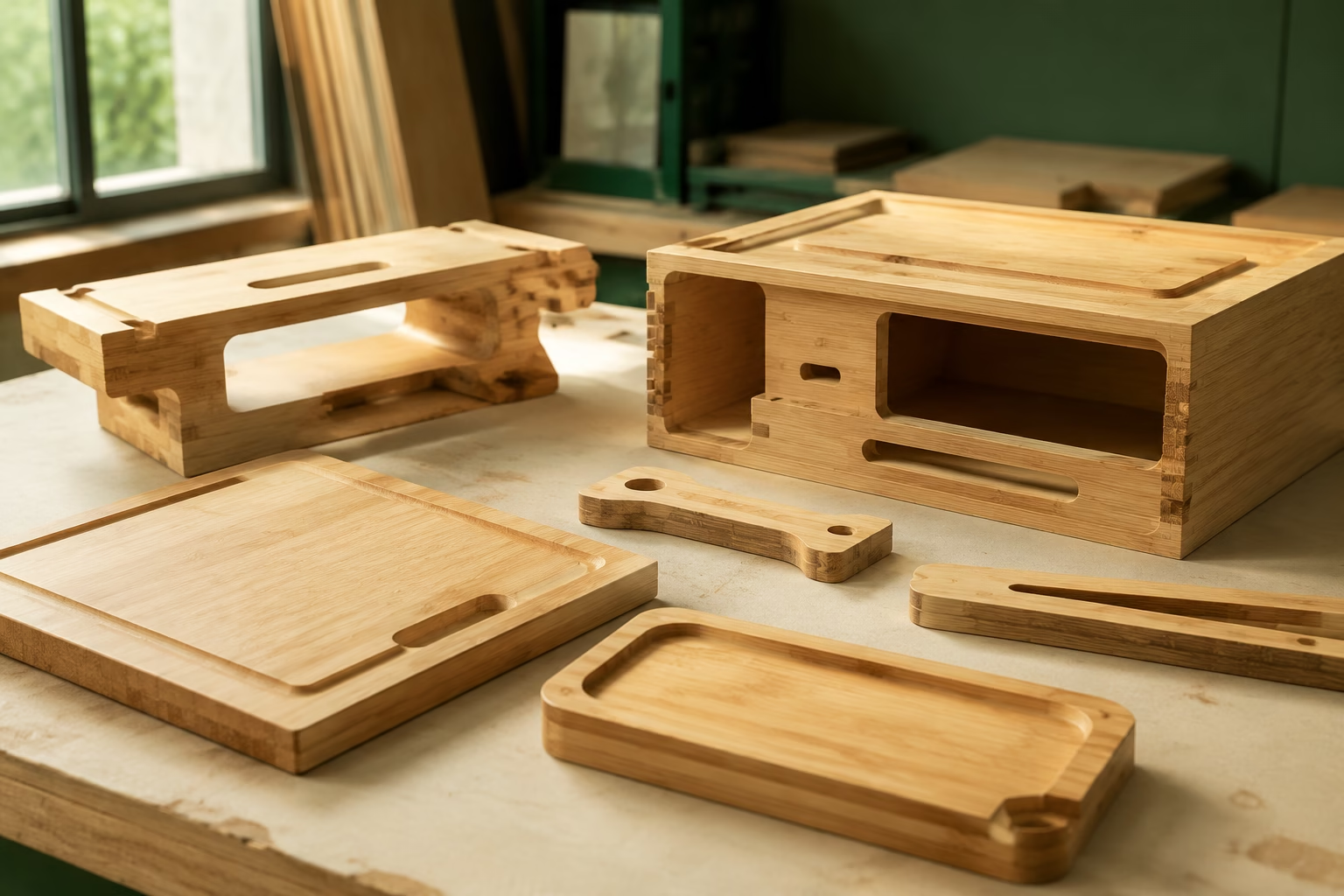
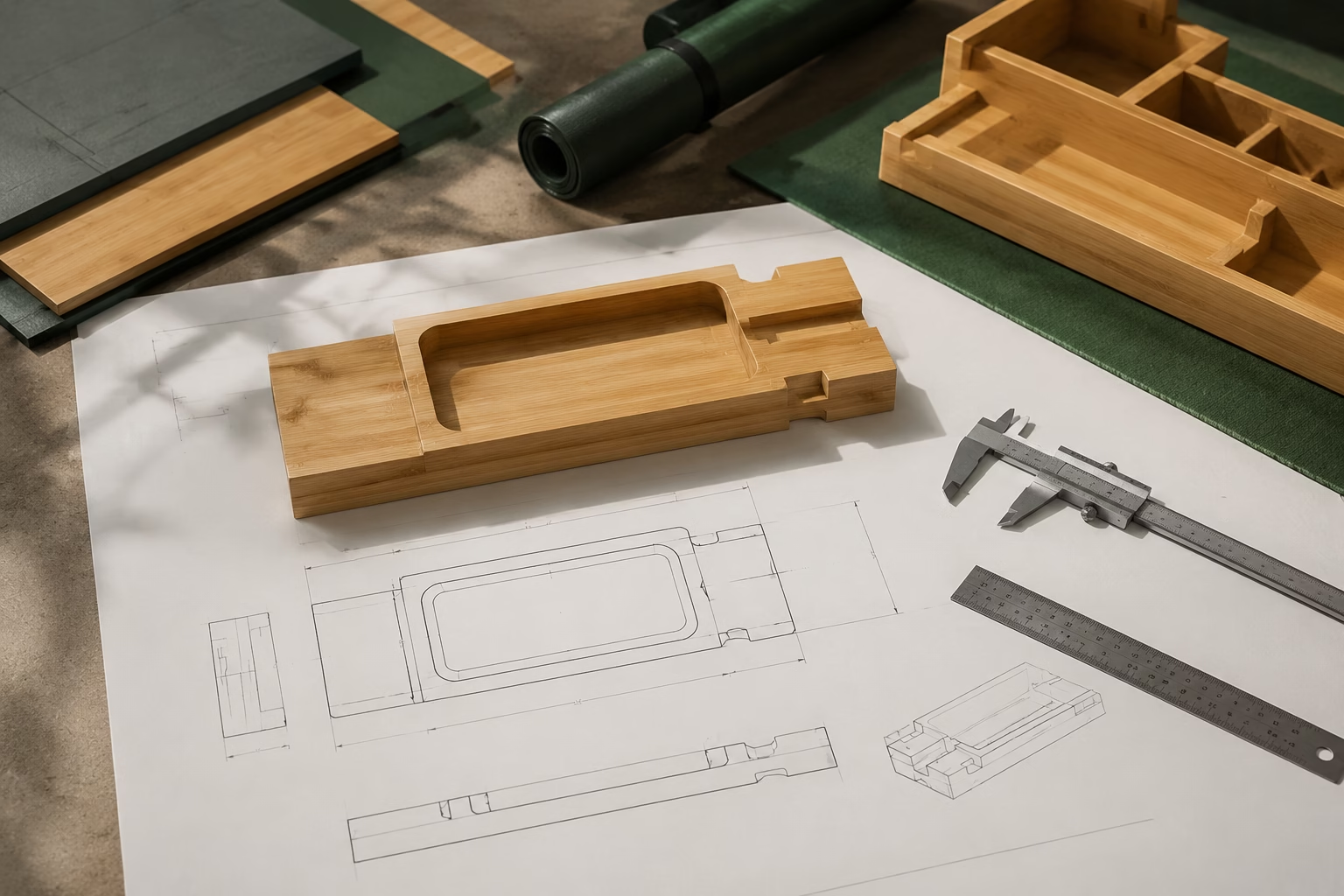
CNC machining suits components whose geometry must be clearly defined and reproduced from confirmed product information. It can create custom shapes, recessed areas, openings and detailed features that contribute to product structure, use or appearance. Drawings, specifications or physical references should show how each feature relates to handling, fit or visual intent. Feasibility depends on the complete product, not an isolated feature. SHENGLIAN reviews material direction, component form, overall dimensions, intended use and later production requirements together. CNC customization is available for OEM, ODM, private-label and other custom projects, subject to product-specific review.
Technical Inputs
Drawings and Product Information Needed for CNC Review
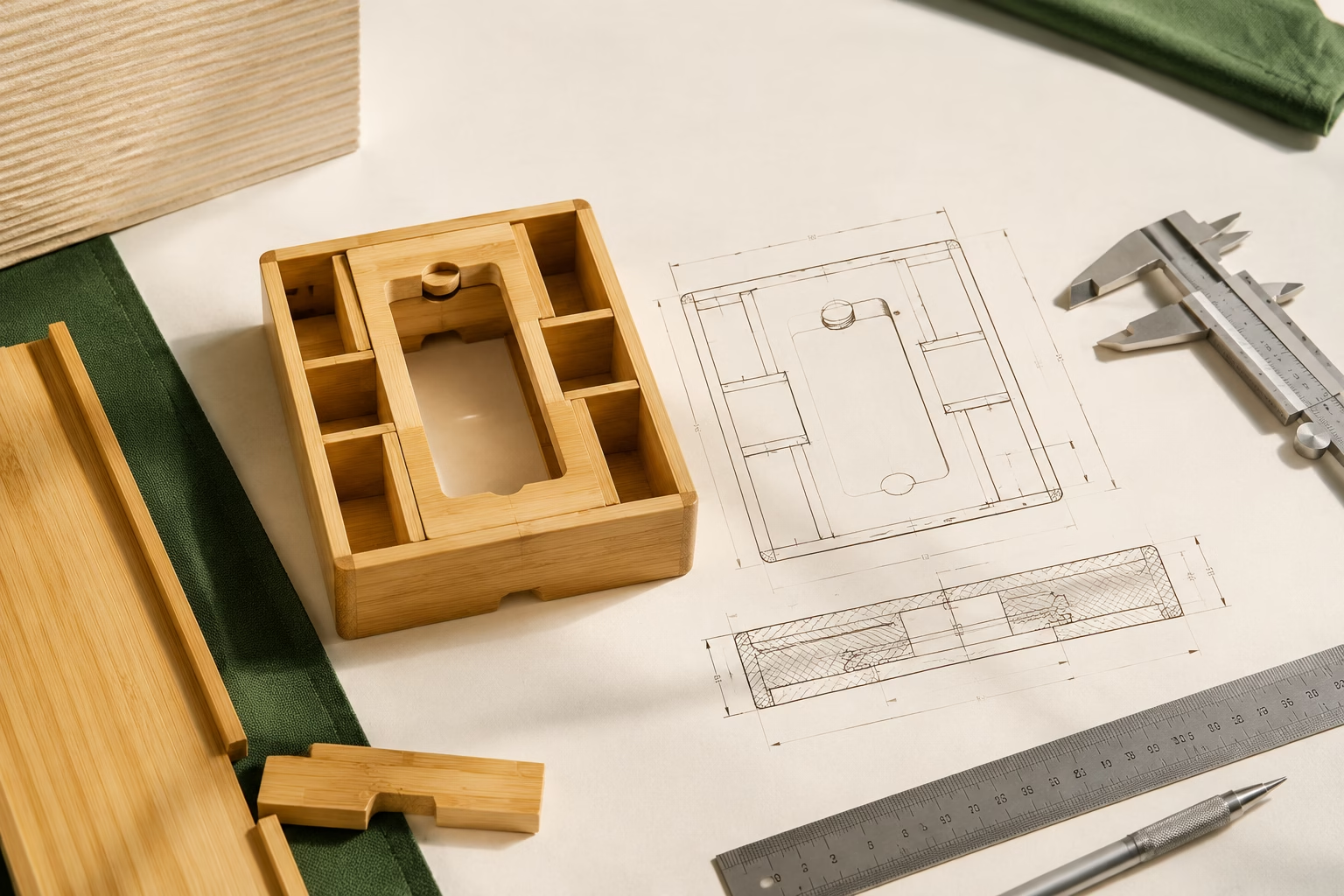
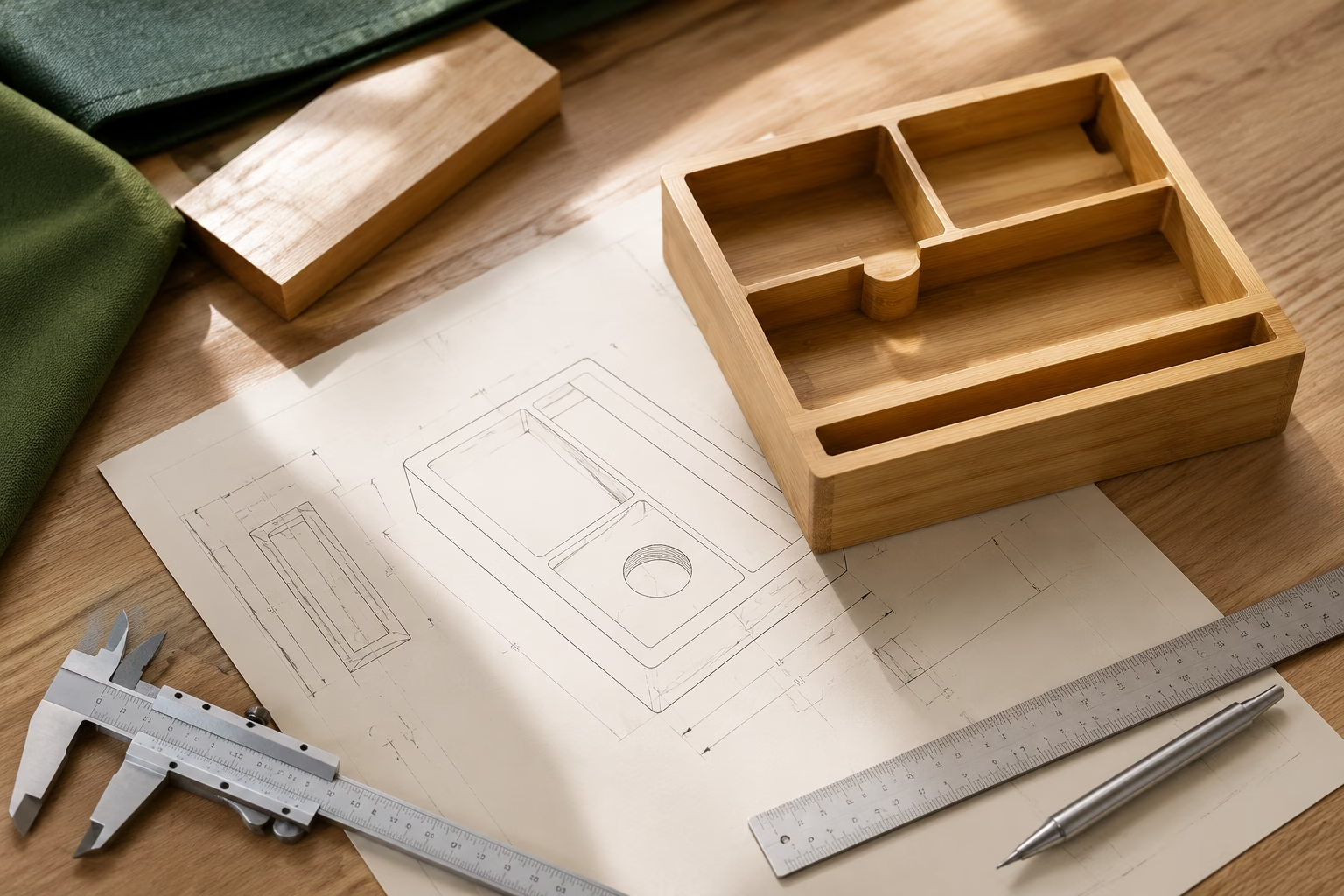
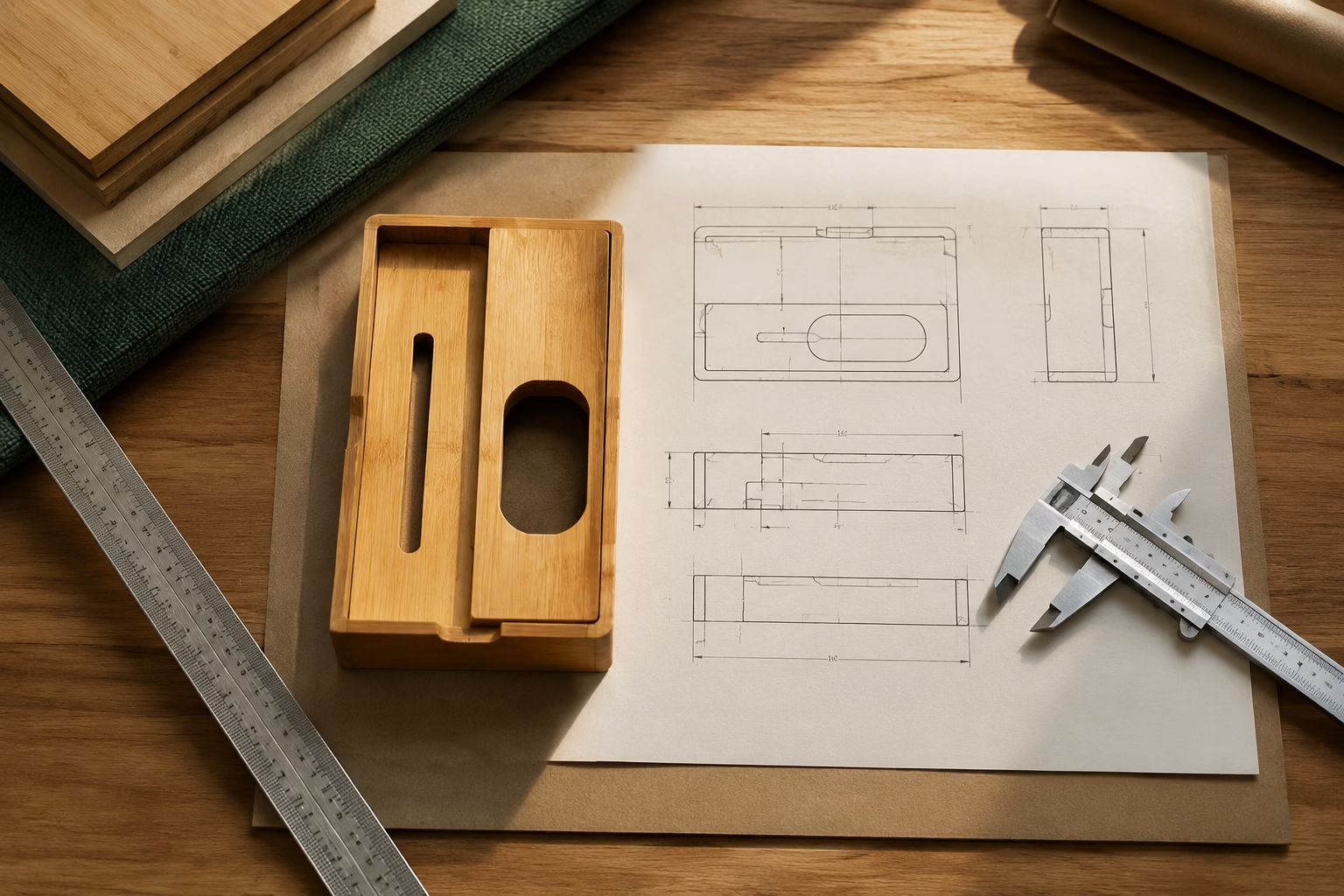
A useful CNC review explains what the component must look like and how it must function. A dimension alone may not establish whether it controls overall size, feature location or fit between related parts. Supply the clearest available technical information so structural, dimensional and appearance requirements can be considered together. SHENGLIAN supports drawing review, structural development, dimensional adjustment, prototyping and sample revisions. Concepts needing broader structural, dimensional or functional work can move through the custom product design and development service before machining requirements are fixed.
Feature Definition
Features That Can Be Defined for CNC Machining
CNC machining can be assessed for shaped and detailed components used in bamboo and wooden kitchenware, tableware, organizers, display stands, homeware and custom gifts. Production review considers whether every feature has sufficiently clear dimensions, reference geometry and functional or appearance intent. A product may combine several features, but each should connect to a defined requirement. The drawing and reference sample must communicate the same result; conflicting information, open dimensions and unresolved feature details need clarification before machining proceeds.
Custom Shape or Profile
Define the overall form, dimensions and reference geometry, including effects on product use and visible appearance.
Recessed Area
Specify its location, dimensions and whether it holds an item or creates a defined visual detail.
Opening
State its size, position and relationship to surrounding material, plus its handling, access, display or other function.
Detailed Component Feature
Define the feature form, adjacent surfaces or parts, and how later finishing or decoration may change the visible result.
Quality Checkpoint
Dimensional Review Before the Component Moves Forward
After CNC machining, SHENGLIAN reviews the component against the confirmed drawing, specification or reference sample before later finishing or other planned production work. The check can cover overall dimensions, form, feature positions, alignment, functional interfaces and visible details relevant to the approved product information. Requirements vary by product. Numerical tolerances, inspection methods and acceptance criteria must be defined for each project and cannot be assumed from a general capability description. Dimensional review confirms the component against project information; it does not replace complete technical requirements.
Overall Component Dimensions
Shape and Profile Against the Defined Product Form
Position and Dimensions of Openings
Form and Location of Recessed Areas
Alignment Between Related Features
Functional Interfaces with Other Specified Components
Visible Details Affecting the Intended Appearance
Production Sequence
How Machined Components Move to Later Production Stages
CNC machining forms one part of a wider manufacturing sequence determined by product structure and specified finishing, branding and assembly needs. Precision sanding and surface finishing are separate processes whose requirements depend on intended appearance, touch points and use. The handoff should distinguish geometry controlled by machining from appearance requirements assigned to later work.
01
Review Product Information
Examine the drawing, dimensions, reference sample, intended function and visible details.
02
Confirm Machining Requirements
Resolve open questions about shapes, recesses, openings and feature locations before production proceeds.
03
Produce the Defined Component
Use CNC machining to create the specified shape or detail from confirmed project information.
04
Review the Machined Result
Check dimensions, form, alignment and relevant interfaces against the project reference.
05
Release the Component
Move the part to finishing or other agreed work after machining requirements have been reviewed.
Visible Surfaces
Branding and Visible Details on CNC-Machined Parts
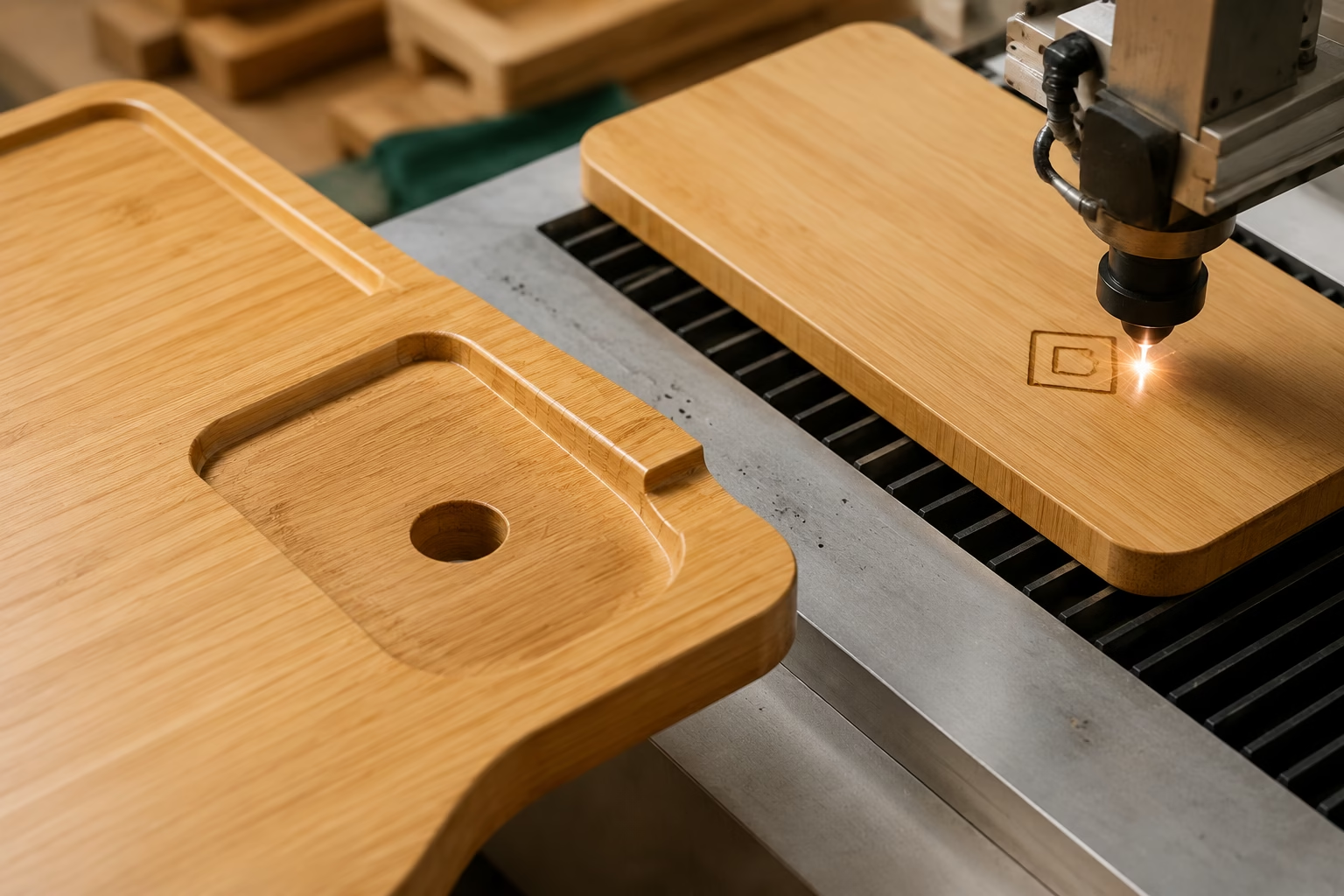
Machined recesses, openings, curved profiles and limited visible areas can affect logo or graphic placement, so branding location should be considered during drawing review. CNC machining defines product geometry but does not automatically provide final decoration. SHENGLIAN offers laser engraving and screen printing as separate verified branding processes, subject to the material, surface, artwork, placement and required appearance. Buyers should distinguish structural features, decorative elements and surfaces receiving later treatment. This helps avoid placing branding across an opening, near a shaped edge or where another production stage may affect it. Artwork and appearance requirements can then be reviewed within the wider product approval process.
FAQ
Frequently Asked Questions
Provide the product type, intended use, overall dimensions, feature dimensions, material direction and required appearance. Include a drawing, specification or reference sample showing the shapes, recesses, openings and other details to be assessed. Branding and later finishing requirements should also be identified when they affect visible areas.
Yes. CNC machining can support defined custom shapes, recesses, openings and product details in bamboo and wooden components. Suitability depends on the product structure, material direction, dimensions, intended function and the clarity of the supplied technical information.
The machined component is compared with the confirmed drawing, specification or reference sample. The review considers relevant dimensions, form, opening and recess locations, feature alignment and functional interfaces. Project-specific tolerances and acceptance criteria must be supplied or confirmed separately.
A reference sample can provide a starting point for review. Dimensional notes, intended changes and functional requirements should accompany it. Our development team can assess whether additional drawing, structural or dimensional work is needed before CNC machining can be confirmed.
Yes, subject to product-specific review. CNC machining creates the defined component geometry, while laser engraving and screen printing are separate decoration processes. Branding placement, artwork, surface condition and the sequence of production stages need to be considered together.
Use the specification upload page to send your drawing, dimensions and supporting project notes. Identify the features that require CNC machining and explain their intended function. The team will review the information and clarify whether further development, sampling or quotation discussion is appropriate.
Start a Review
Discuss Your CNC Machining Requirements
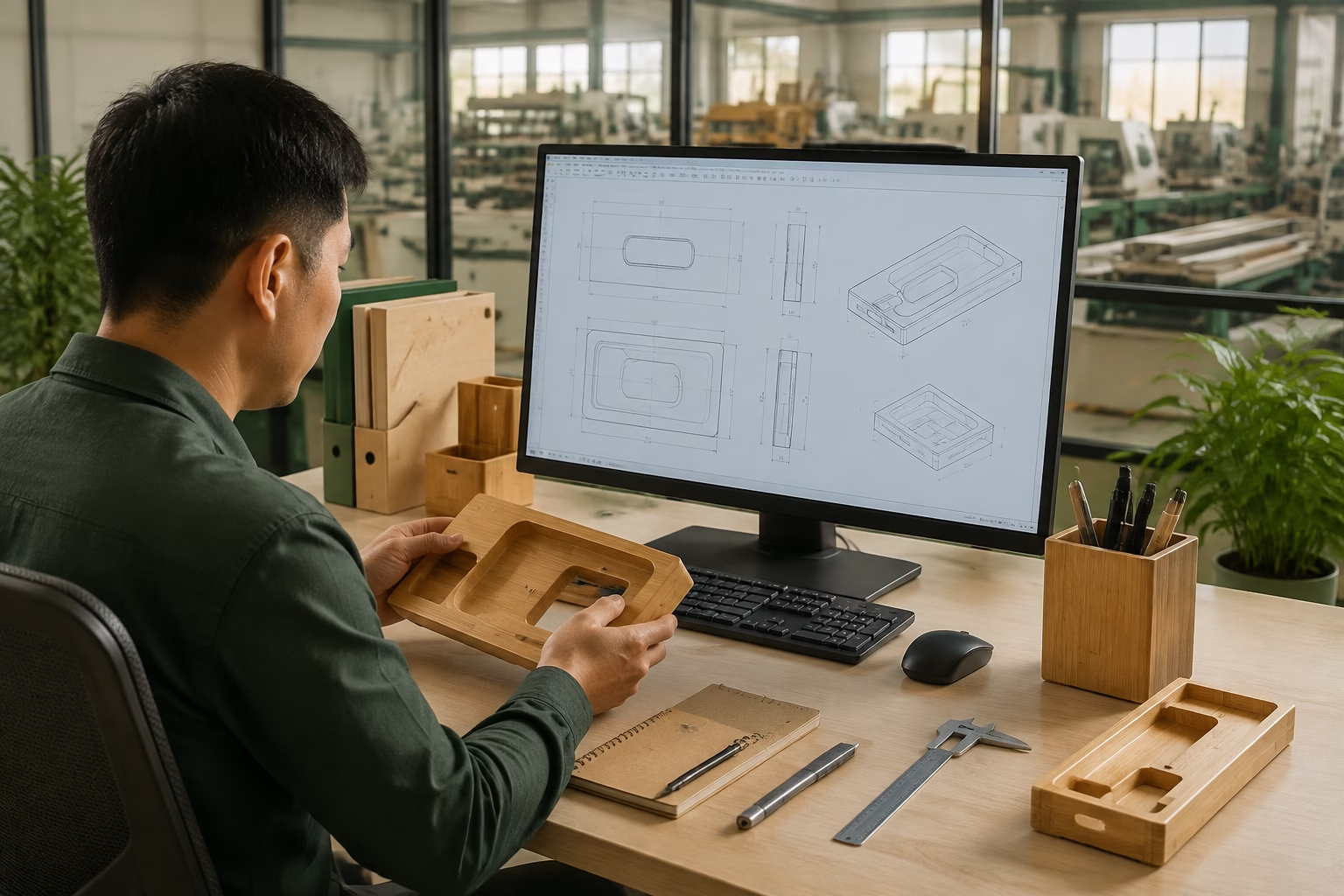
Send the technical information needed to evaluate component shape, feature dimensions and the handoff to later production work. A clear submission helps SHENGLIAN focus the review on machining feasibility, intended function and unresolved product details before sampling or quotation discussions move forward.