
Plan a Custom Home Organization Product Range
SHENGLIAN Bamboo & Wood Products develops bamboo and wooden storage collections for retail brands, homeware companies, importers, distributors, wholesalers and private-label operators. Verified home organization formats include storage boxes, drawer organizers and storage racks, coordinated through practical dimensions, shared design direction, branding and retail packaging. Provide a product list, drawings, reference samples or initial concepts for review. SHENGLIAN can assess materials, structure, dimensions, appearance, functionality, branding and packaging, then support sampling, production planning, inspection and export preparation.
Build the Range Around Storage Tasks
A coordinated home organization programme works best when every product has a clear role. Instead of selecting unrelated items, define the storage tasks, rooms and user actions that the range should cover. This creates a stronger basis for product selection, shared dimensions and consistent retail presentation. Storage boxes provide contained storage for household items. Drawer organizers divide fitted spaces into usable compartments. Storage racks offer open-access organization where products need to remain visible or easy to reach. A range may use one format as its core product and add supporting items for different spaces or storage behaviours. For detailed product decisions, review the bamboo and wooden home organization product formats , then select the individual products that match your range architecture.
Contained Storage: Use Boxes When Products Need a Defined Enclosure, a Clear Footprint or a Presentation That Keeps Stored Items Together.
Fitted Organization: Use Drawer Organizers When the Main Requirement Is to Divide an Existing Drawer or Cabinet Space.
Open-Access Storage: Use Racks When the Buyer Needs Visible Access, Vertical Arrangement or a Structured Placement System.
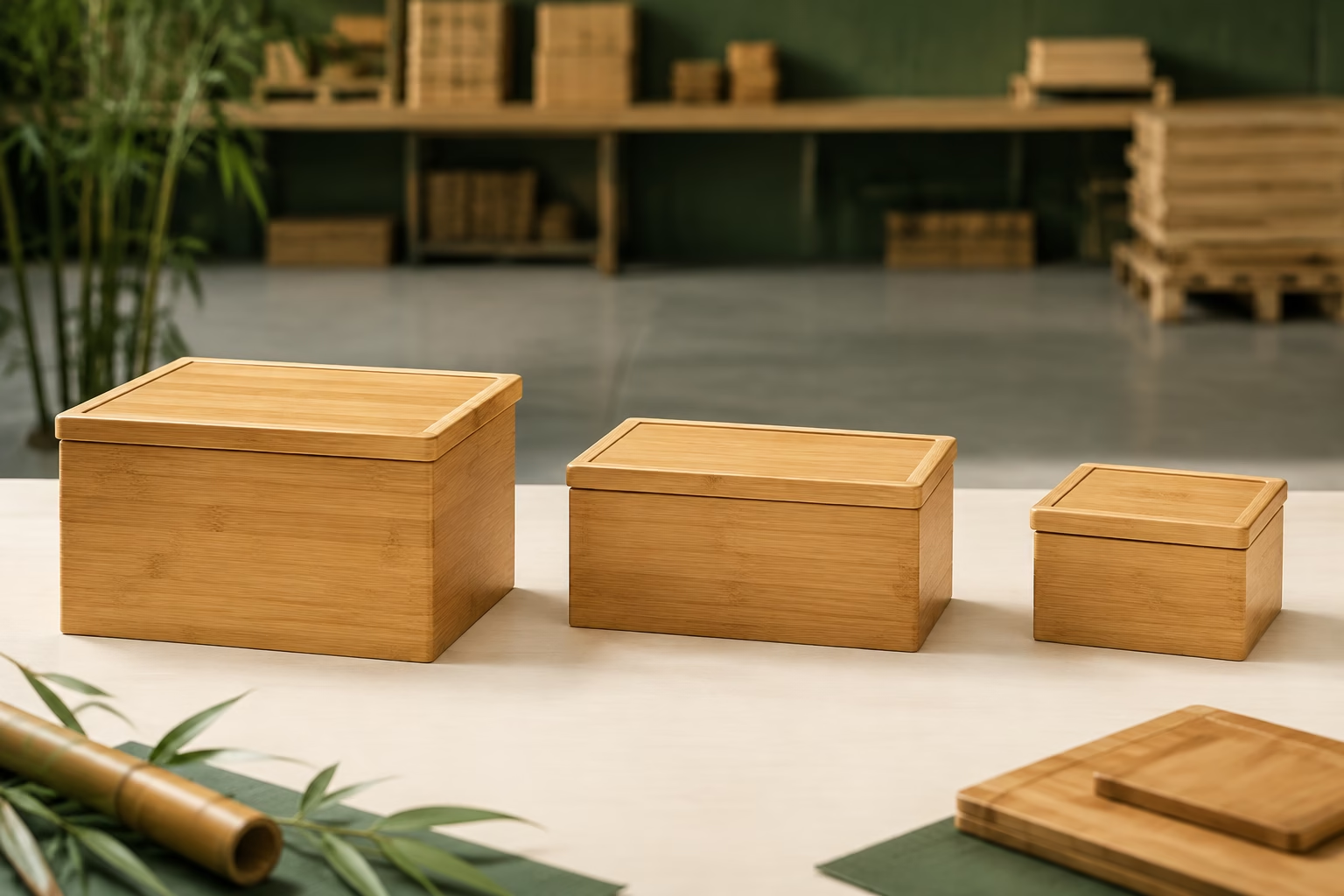
Compare the Three Core Storage Formats
The formats can share a design language while using different structures. A box, drawer organizer and rack do not need to perform the same function or use the same component layout. The important relationship is the one buyers see and use: consistent proportions, appearance and brand presentation with product-specific construction.
Set a Shared Dimensional System Before Development
Dimensions influence fit, capacity, proportion, packaging and the visual relationship between products. Define the target spaces first, including drawers, shelves, cabinets, countertops or other household locations. Then record the required product footprint, height, internal space and any relationships between sizes. For a multi-item range, decide which measurements should follow a common system. You may want several products to use related widths, repeated height steps or a consistent visual proportion. Drawer organizers require particular attention to the available drawer space and compartment arrangement. Storage boxes need a clear relationship between external size and usable internal space. Racks require a defined footprint, structure and assembly direction. Useful dimensional information includes: Our team supports dimensional adjustment and structural development according to customer specifications or reference samples. Project-specific fit requirements and technical details are reviewed during development rather than assumed from a general product category.
Target Placement Area and Available Space
Overall Length, Width and Height
Internal Storage Area or Compartment Requirements
Relationship Between Different Product Sizes
Assembly or Packaging Constraints Caused by the Dimensions
Reference Products or Drawings That Show the Intended Proportions
Choose a Common Bamboo, Wood and Construction Direction
Material selection should support the use, structure, appearance and commercial position of the range. A shared material direction can make several products look related, while product-specific construction decisions allow each format to work properly in its intended space. Relevant development considerations include raw material preparation, cutting and forming, panel joining and pressing, CNC machining, precision sanding, surface finishing and assembly. These processes may apply differently to a storage box, drawer organizer or rack, depending on the approved design and component requirements. Define the following points across the programme: For a neutral comparison of product material decisions, see Choosing Bamboo or Wood for a Product . Detailed material selection remains part of the project review because structure, dimensions, appearance and intended use can change the most suitable direction.
Preferred Bamboo or Wood Direction
Panel or Component Structure
Visible Grain, Colour and Surface Expectations
Edges, Proportions and Recurring Design Details
Functional Differences Between Contained, Fitted and Open-Access Storage
Any Reference Sample That Should Guide the Development Work
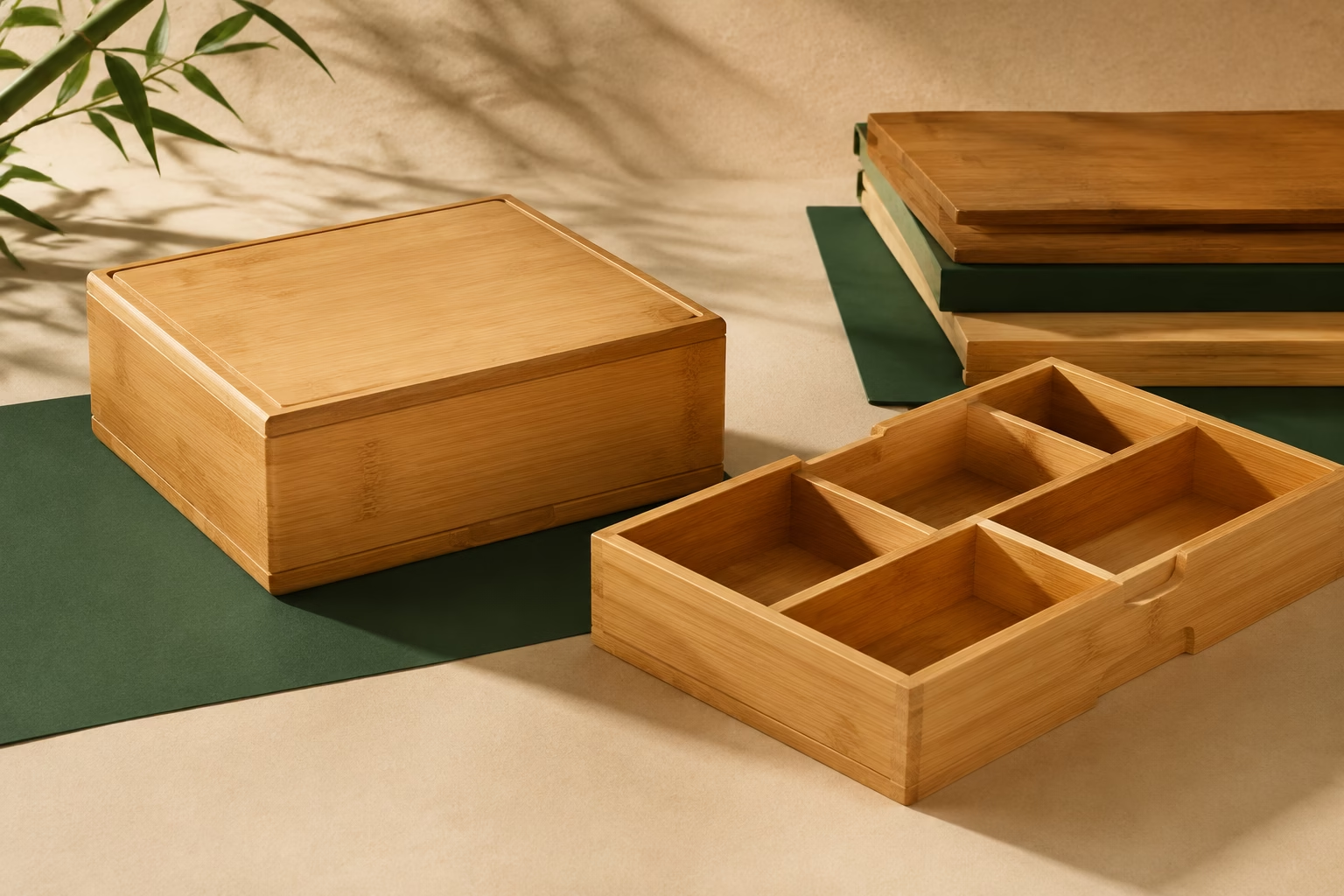
Create Consistency Without Forcing Identical Products
A strong storage collection repeats selected visual and functional cues, but it does not make every item structurally identical. Decide which features must remain consistent across the range and which may change according to use. Shared elements may include overall form, proportions, edge treatment, surface appearance, logo position or selected construction details. Product-specific elements may include box access, drawer compartment layout, rack structure, assembly method and the dimensions required by a particular placement area. Appearance and functionality can be adjusted according to approved customer requirements or samples. During development, our team can support design and drawing review, material selection, structural development, prototyping, sample revisions and quality coordination. This gives the buyer a defined route from a collection concept to product specifications that can be reviewed for production.
Coordinate Retail and Export Packaging Across the Range
Packaging should make the products read as one collection while protecting each format through handling, storage and shipment. Products with different dimensions may need different inner structures or carton sizes, but the outer presentation can still use a common brand system. SHENGLIAN offers standard export packaging and customized retail packaging. Packaging structure, printing, labels, barcodes, inserts and carton requirements are confirmed for each project. When preparing a range, identify which packaging elements should be shared and which must change because of product size, assembly or presentation. For a more detailed preparation framework, review the custom retail and export packaging service and the custom packaging brief guide .
Use a Consistent Naming and Visual System Across Boxes, Organizers and Racks.
Define Product Labels, Barcode Data and Inserts by Item.
Record the Required Inner Packing and Carton Structure for Each Size.
Separate Retail Presentation Requirements from Export Protection Requirements.
Confirm Whether Products Are Packed Individually, as Sets or as Part of a Wider Programme.
Move from Range Concept to Approved Production
Range development is easier to control when the products are reviewed as a programme but approved as individual items. Begin with the range brief, product roles and shared design direction. Next, align material, structure, dimensions, branding and packaging requirements for each product. These timings are planning conditions, not universal promises. The applicable schedule is confirmed for the product mix and project requirements.
Define the Range: List the Storage Boxes, Drawer Organizers and Racks Required, Together with the Role of Each Item.
Review Feasibility: Submit Drawings, Concepts or Reference Samples for Discussion of Materials, Dimensions, Structure and Processing.
Develop Samples: Standard Projects Generally Require Approximately 10–15 Working Days for Sample Development, Depending on Product Structure, Processing Requirements and the Number of Revisions.
Record Approvals: Confirm Sample Details, Product Specifications, Packaging and Order Information Before Bulk Production.
Coordinate Production: Bulk Production Is Normally 30–45 Days After Sample and Order Details Are Approved, Subject to Product Complexity, Quantity, Packaging and the Production Schedule.
Control and Prepare Shipment: Quality Procedures Cover Incoming Material Inspection, First-Article Approval, In-Process Inspection, Finished-Product Inspection and Pre-Shipment Inspection.
Questions Buyers Ask About Coordinated Storage Ranges
Start with the storage tasks and spaces the range must cover. Use boxes for contained storage, drawer organizers for fitted compartments and racks for visible access. Then connect the formats through selected shared elements such as proportions, surface appearance, branding and packaging. Standardize the relationships that matter to the range, such as repeated width or height steps, visual proportions and packaging logic. The final dimensions still need to reflect the target drawer, shelf, cabinet or household storage area for each product. Yes. The material direction, form, proportions, surface appearance and selected brand details can be coordinated while the structure changes by product type. Material and construction decisions are reviewed against the intended use and approved specifications. Keep the brand system, naming, printing and information hierarchy consistent. Adapt the inner packing, carton dimensions, inserts and structural protection to each product. Packaging requirements are confirmed for every project and item. Yes. Our team supports design and drawing review, material selection, structural development, dimensional adjustment, prototyping and sample revisions. The project begins with a review of the supplied information and the intended range requirements.
How Should We Combine Storage Boxes, Drawer Organizers and Racks?
Start with the storage tasks and spaces the range must cover. Use boxes for contained storage, drawer organizers for fitted compartments and racks for visible access. Then connect the formats through selected shared elements such as proportions, surface appearance, branding and packaging.
Which Dimensions Should Be Standardized?
Standardize the relationships that matter to the range, such as repeated width or height steps, visual proportions and packaging logic. The final dimensions still need to reflect the target drawer, shelf, cabinet or household storage area for each product.
Can Bamboo and Wooden Products Use One Design Language?
Yes. The material direction, form, proportions, surface appearance and selected brand details can be coordinated while the structure changes by product type. Material and construction decisions are reviewed against the intended use and approved specifications.
How Can Packaging Stay Consistent When Products Have Different Sizes?
Keep the brand system, naming, printing and information hierarchy consistent. Adapt the inner packing, carton dimensions, inserts and structural protection to each product. Packaging requirements are confirmed for every project and item.
Can You Develop Products from Drawings or Reference Samples?
Yes. Our team supports design and drawing review, material selection, structural development, dimensional adjustment, prototyping and sample revisions. The project begins with a review of the supplied information and the intended range requirements.
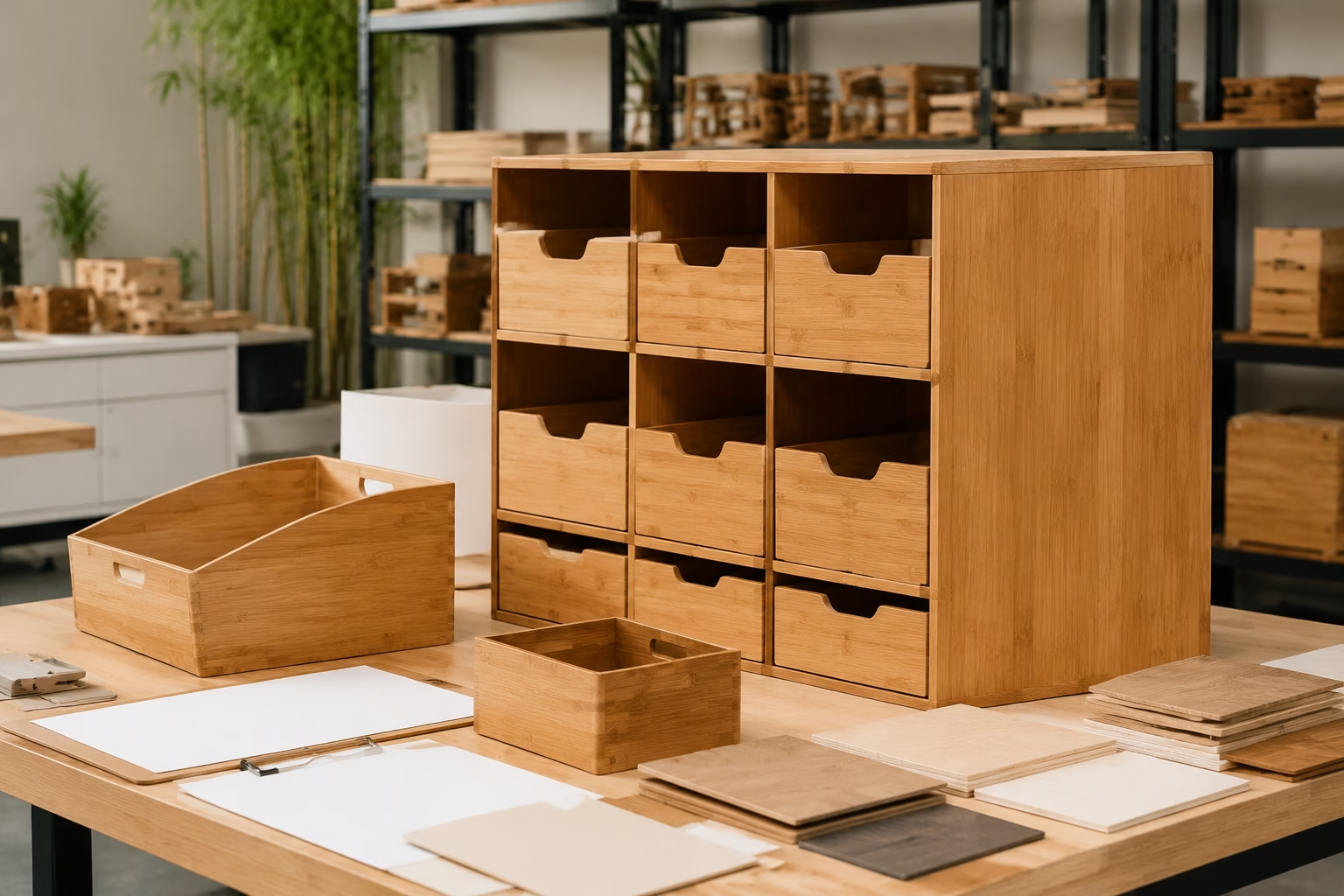
Map Your Storage Range with SHENGLIAN
Share the products you want to connect, the spaces they serve, the dimensions you are considering and the retail presentation your brand requires. We can review the range structure, development inputs, packaging workstreams and order requirements before preparing a project-specific quotation. Map Your Storage Range You can also explore the wider application-led sourcing routes or compare the detailed home organization product formats .
FAQ
Frequently Asked Questions
Start with the storage tasks and spaces the range must cover. Use boxes for contained storage, drawer organizers for fitted compartments and racks for visible access. Connect the formats through selected shared elements such as proportions, surface appearance, branding and packaging.
Standardize relationships that matter across the range, such as repeated width or height steps, visual proportions and packaging logic. Final dimensions must still reflect the target drawer, shelf, cabinet or household storage area for each product.
Yes. Material direction, form, proportions, surface appearance and selected brand details can be coordinated while structures vary by product type. Material and construction decisions are reviewed against the intended use and approved specifications.
Keep the brand system, naming, printing and information hierarchy consistent. Adapt inner packing, carton dimensions, inserts and structural protection to each product. Packaging requirements are confirmed for every project and item.
Yes. SHENGLIAN supports design and drawing review, material selection, structural development, dimensional adjustment, prototyping and sample revisions. Development begins with a review of the supplied information and intended range requirements.

Prepare a Range-Level Quotation Brief
A complete range brief allows the team to review the programme as a connected commercial project. Include the product list, intended role of each item, drawings or reference samples, target dimensions, material direction, quantity by item, branding method, packaging requirements, testing needs and delivery destination. The minimum order quantity is 1,000 units. The applicable requirement is confirmed according to the product, order quantity, material, dimensions, branding method, packaging and customization requirements. Quoted pricing is based on confirmed product specifications, quantity, packaging, testing and delivery requirements. Payment terms, Incoterms and shipping arrangements are confirmed in the quotation or sales contract. For food-contact products included in a wider household programme, testing can be arranged according to customer and destination-market requirements. Applicable standards, laboratories, reports and certifications must be confirmed for the individual project. Use the custom product RFQ guide to organize the information, or submit the complete programme through Request a Custom Product Quote .