
Custom Bamboo Vanity Organizers for Branded Storage Programs
SHENGLIAN Bamboo & Wood Products supplies custom bamboo vanity organizers for beauty brands, bathroom product companies, retailers, importers, distributors and private-label buyers. We support product design, development, manufacturing, quality management and export project coordination. Compartments, dimensions, material direction, appearance, functionality, branding and packaging can be adjusted to approved specifications, drawings or reference samples. Use this product route for countertop storage designed around cosmetics, skincare, grooming products or other bathroom accessories. Share a concept for feasibility review, or submit complete specifications for a project-specific quotation.
Select a Vanity Organizer Format for Its Intended Use
The right organizer begins with the products it must hold and the setting in which it will be sold. A compact countertop unit may be developed for daily cosmetics or skincare. A larger format may form part of a coordinated bathroom, beauty or self-care collection. The product can also be designed as a standalone retail item, a component of a wider range or part of a branded gift presentation. Describe the intended user, storage purpose and sales format at the start of the project. Useful questions include: These answers give the development team a practical basis for reviewing the structure and selecting the next design decisions. Compare the bathroom and spa product range
Which Cosmetics, Skincare, Grooming or Bathroom Items Will the Organizer Hold?
Will Users Need Quick Access to Frequently Used Products?
Is the Organizer Intended for a Vanity, Bathroom Countertop, Bedroom Dressing Area or Another Household Setting?
Will It Be Sold Alone, in a Collection or with Other Branded Products?
Does the Product Need to Match an Existing Bamboo, Wood or Bathroom Range?
Build the Compartment Layout Around the Stored Items
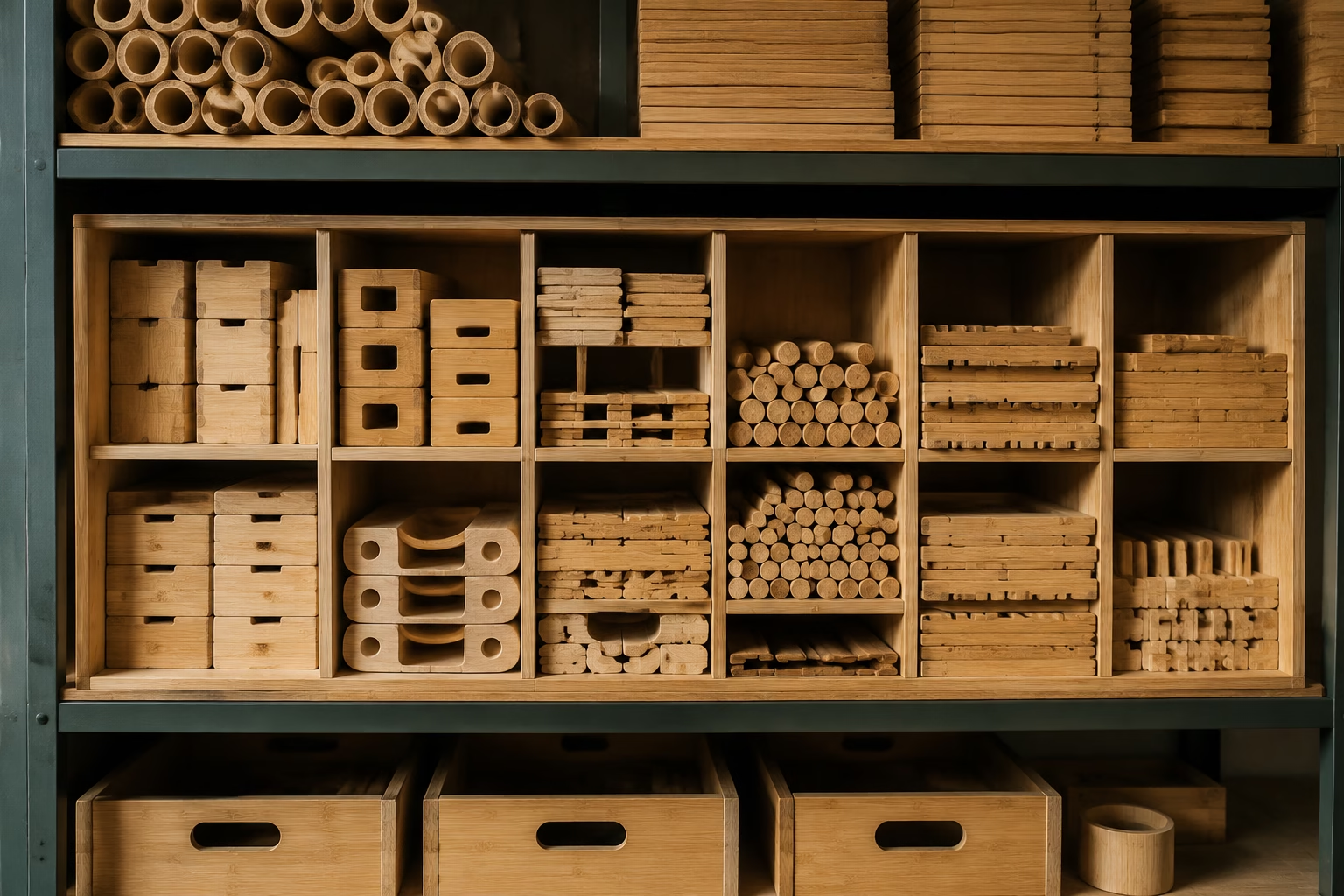
Compartment planning affects access, appearance and the overall footprint of the vanity organizer. Instead of starting with a fixed number of sections, provide the dimensions of the products that need to fit. Bottles, jars, tubes, brushes and smaller accessories may require different depths, openings or separation. Possible layout directions include open sections, divided spaces, slots, stepped areas and removable components. These are development options, not fixed standard formats. The approved design should balance item access with the available countertop area. Compartment count, internal spacing and visual proportion all influence the final structure. For a useful layout review, send a simple item list with the approximate length, width and height of each product group. Photographs, packaging dimensions, a hand sketch or a reference organizer can also show how the stored products should be arranged. If some spaces need to remain flexible, identify those requirements before sampling.
Set the Dimensions, Footprint and Countertop Fit
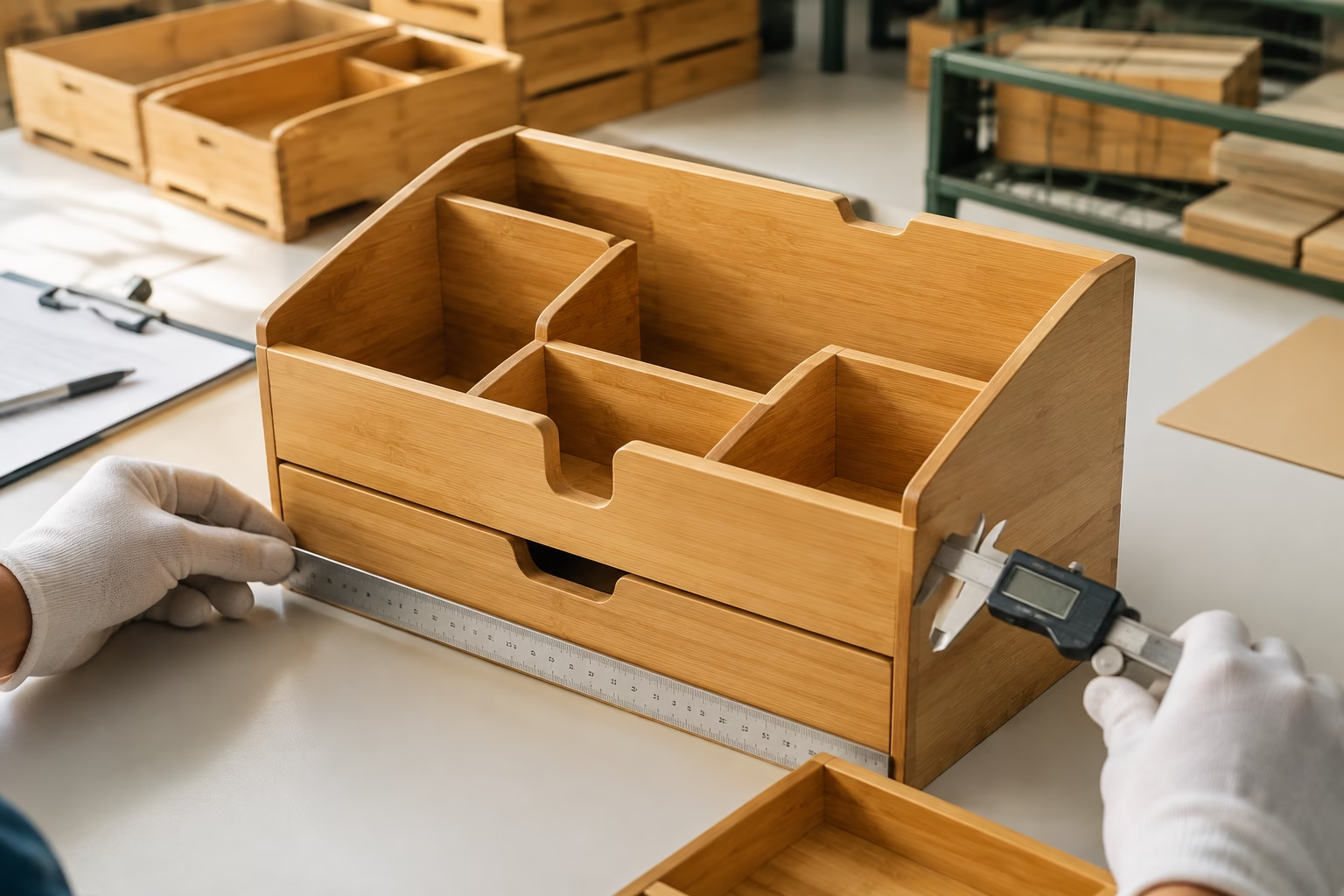
A vanity organizer must fit the intended space while leaving enough room for the stored products. Define the target length, width, height, compartment depth and required clearance around the contents. If the organizer will be displayed in a retail package, provide the shelf or package restrictions as part of the same brief. Countertop conditions can vary across bathrooms and dressing areas. You may need to account for a narrow ledge, a defined cabinet space or a coordinated product arrangement. A drawing with key dimensions is the clearest starting point, but the team can also review a reference sample or concept description. Final feasibility depends on the selected material, structure, dimensions and processing requirements. The development team supports dimensional adjustment and structural review so the approved organizer reflects both the product use and the intended commercial format. Discuss product design and development support
Choose the Bamboo or Wood Direction and Surface Appearance
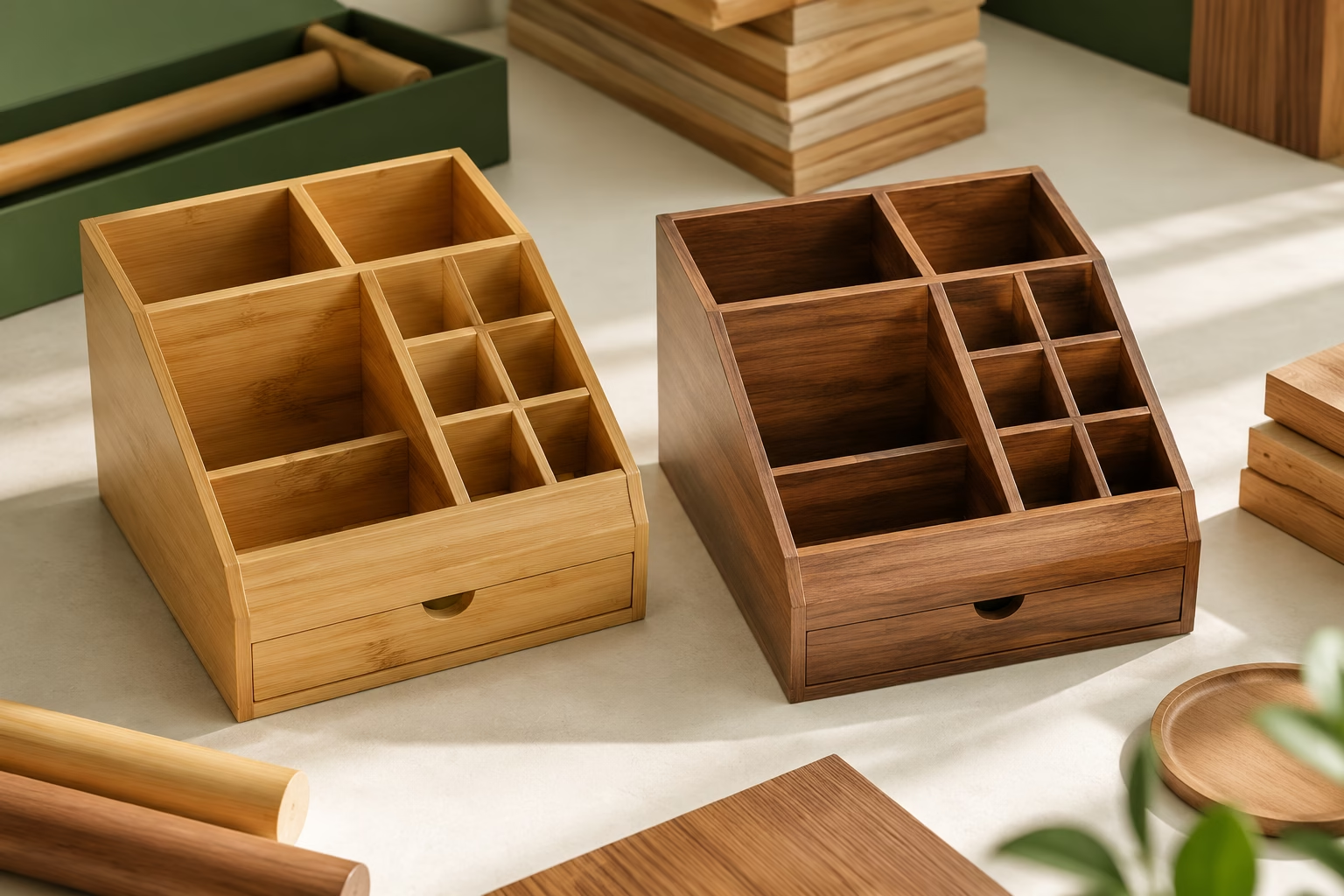
Material selection influences the organizer's visual character, construction direction and processing brief. Tell us whether the concept is intended to follow a bamboo direction, a wooden appearance or an existing product range. You can also provide reference images or a physical sample to communicate the desired form and presentation. Appearance decisions may include the overall shape, edge treatment, visible surface character and colour expectations. Precision sanding and surface finishing are verified processes available for these products. The surface result should be reviewed on the selected product because the material, structure and finish interact during development. For bathroom and beauty products, avoid relying on a general material description alone. State the intended use, handling expectations and appearance requirements so these points can be considered during product review. Any project-specific performance or testing requirement must be identified and confirmed separately.
Define Everyday Function and Handling Requirements
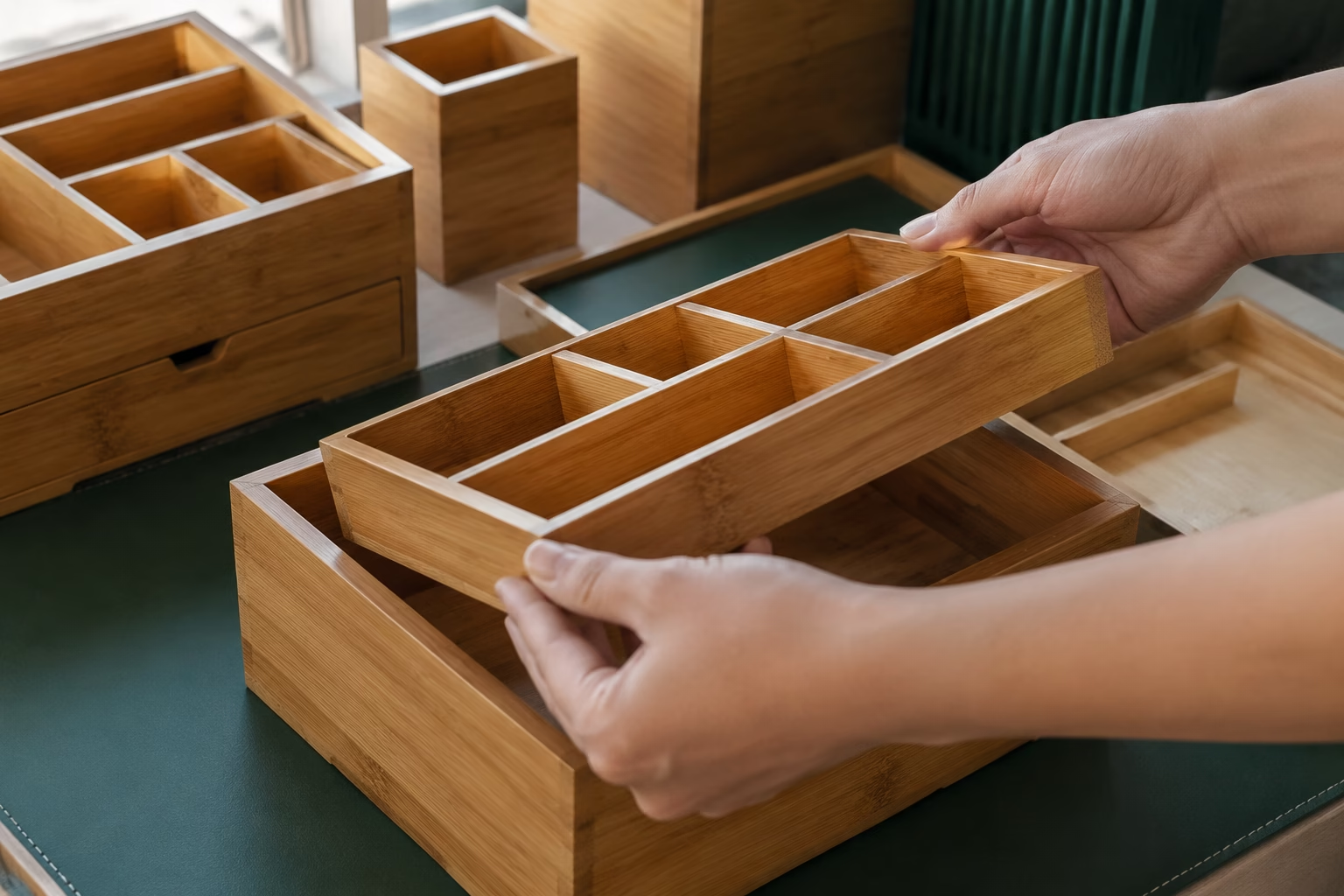
Beyond storage capacity, consider how users will handle the organizer each day. The brief may need to cover the orientation of the unit, access to individual items, the fit of removable parts, component relationships and cleaning access. These requirements guide structural development without assuming a particular load rating, waterproofing result or durability claim. Explain how the product should work in its intended countertop setting. For example, indicate whether all compartments should be open, whether a section must keep a tall item upright or whether a removable insert is needed for a particular product group. If the organizer must align with another item in a collection, provide the related dimensions or sample. Our team can review drawings, specifications or reference samples and support structural development, dimensional adjustment, prototyping and sample revisions. The final functional details remain tied to the approved product design and project requirements. Review ODM product development options
Apply Private-Label Branding to the Selected Surface
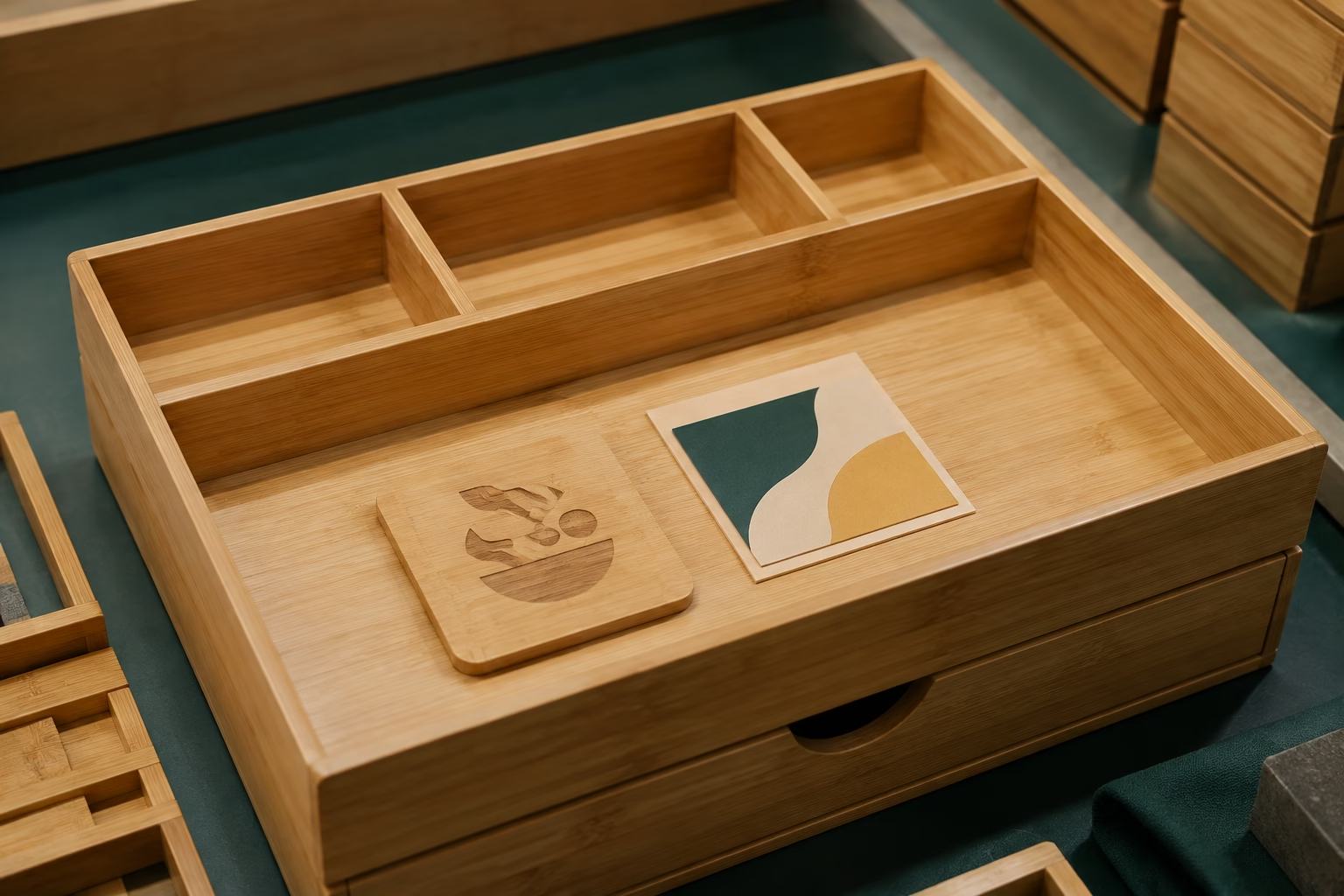
Brand decoration should be planned together with the organizer's shape and visible surfaces. SHENGLIAN supports laser engraving and screen printing for bamboo and wooden products. The suitable method depends on the artwork, logo position, product surface and the appearance required by the brand. Laser engraving may suit a simpler mark integrated into the product surface. Screen printing may be considered when the artwork requires a printed graphic treatment. These descriptions indicate process options rather than a guaranteed visual result. Artwork placement and the decoration result should be reviewed on the selected organizer before production approval. Send the logo artwork, preferred position, approximate size and any related brand presentation requirements. If several products will carry the same identity, explain how the organizer should relate to the wider range. This allows decoration and packaging decisions to be coordinated rather than treated as separate late-stage changes. Explore laser engraving and screen printing support
Plan Retail Packaging and Coordinated Presentation
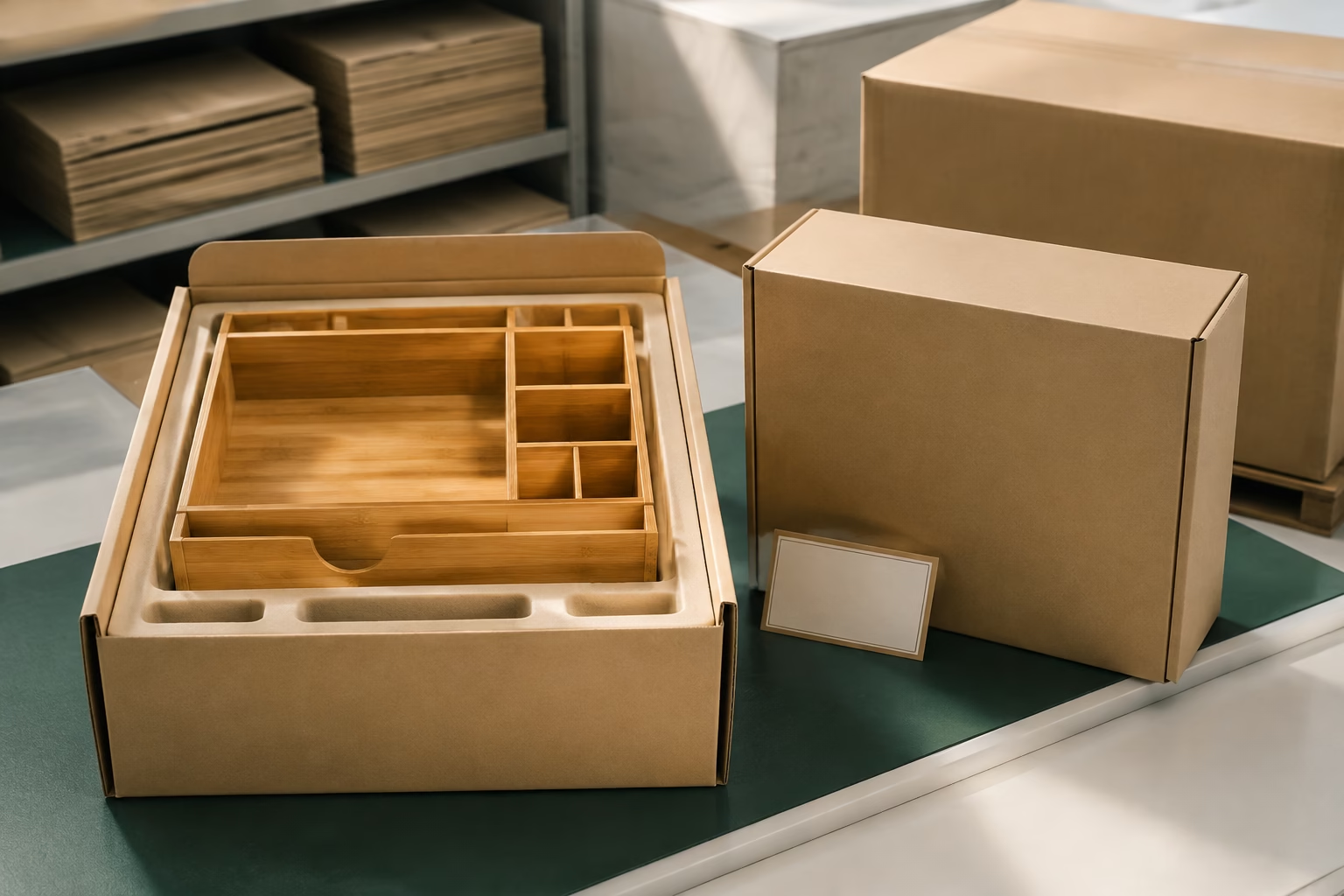
Packaging protects the product, presents the brand and defines how the vanity organizer reaches the retail channel. Standard export packaging and customized retail packaging are available. Project requirements can include packaging structure, printing, labels, barcodes, inserts, inner protection and carton specifications. For a retail-ready brief, identify the sales channel, package format, required product information and the way the organizer should be presented inside the pack. If the organizer is part of a bathroom or beauty collection, note whether the packaging should share a common structure or visual direction with related products. Packaging requirements are confirmed for each project. They should be reviewed with the product dimensions, quantity and delivery destination because these factors affect the packing plan and export preparation. Discuss custom retail and export packaging
FAQ
Frequently Asked Questions
Provide the intended use, stored item types, approximate item dimensions, compartment layout, organizer dimensions, material direction, appearance requirements, branding artwork, packaging needs, quantity and destination. A drawing, photograph or reference sample can support the initial review.
Yes. The structure and compartment layout can be adjusted according to approved customer specifications or reference samples. The development review should include the products to be stored, their dimensions, access priorities and any need for open, divided, stepped or removable sections.
Yes. Share the available countertop or cabinet space, target length, width and height, compartment depth and any clearance limits. Feasibility is reviewed against the proposed structure, dimensions, material and processing requirements.
Laser engraving and screen printing are verified decoration processes for bamboo and wooden products. The suitable option depends on the artwork, logo position and selected surface. Branding results should be reviewed on the product before production approval.
Yes. Standard export packaging and customized retail packaging are available. Packaging may include printing, labels, barcodes, inserts, inner protection and carton requirements, with final details confirmed for each project.
Sample development is approximately 10–15 working days for standard projects, subject to structure, processing requirements and revisions. Quality procedures include incoming material inspection, first-article approval, in-process inspection, finished-product inspection and pre-shipment inspection. Bulk production follows approval of the sample and order details.
Move from Concept to Sample Approval and Quotation
A clear project brief reduces avoidable revisions. Include the information that defines the product, its use and its commercial presentation: Standard sample development is approximately 10–15 working days for standard projects, depending on product structure, processing requirements and the number of revisions. Bulk production is normally 30–45 days after sample and order details are approved, subject to product complexity, quantity, packaging and the production schedule. The standard minimum order quantity is 1000 units, with the final requirement confirmed according to the product, material, dimensions, branding, packaging and customization details. Quality procedures cover incoming material inspection, first-article approval, in-process inspection, finished-product inspection and pre-shipment inspection. Our approximately 12,000-square-metre production and warehousing facilities include areas for processing, finishing, assembly, inspection, packing, storage and export order preparation. Send a concept when the layout or product direction still needs review. If your specifications are complete, include the quantity, branding, packaging and delivery requirements so we can assess the project and prepare a project-specific quotation. Share a Vanity Organizer Concept