
Choosing Bamboo or Wood for a Product
Choosing bamboo or wood starts with the product rather than a general claim that one material is better. Intended use, construction, dimensions, appearance, production method, testing needs and commercial plans all affect the decision.
Define the Brief
Start with Product Use and Sales Context
A bamboo versus wood decision should begin with what the product must do. Cutting boards, drawer organizers, bath trays and display stands create different material and construction discussions. Target users, handling conditions, product format and retail position also help SHENGLIAN review suitable directions.
Relevant Product Families
SHENGLIAN works with bamboo and wooden kitchenware, tableware, home organization products, bathroom and spa accessories, office and desktop products, homeware and branded gifts.
Share the product use, material question and confirmed project requirements for a material and feasibility review.
Review further sourcing guidance for bamboo and wood products before defining the material direction.
Review Construction
Match the Material Direction to Product Structure
Material choice and product construction must be reviewed together. A flat item follows a different production path from a product with compartments, joined panels, shaped components, handles or assembled parts. Avoid broad assumptions about strength, weight or durability without defining the actual material, structure and use conditions.
BEFORE
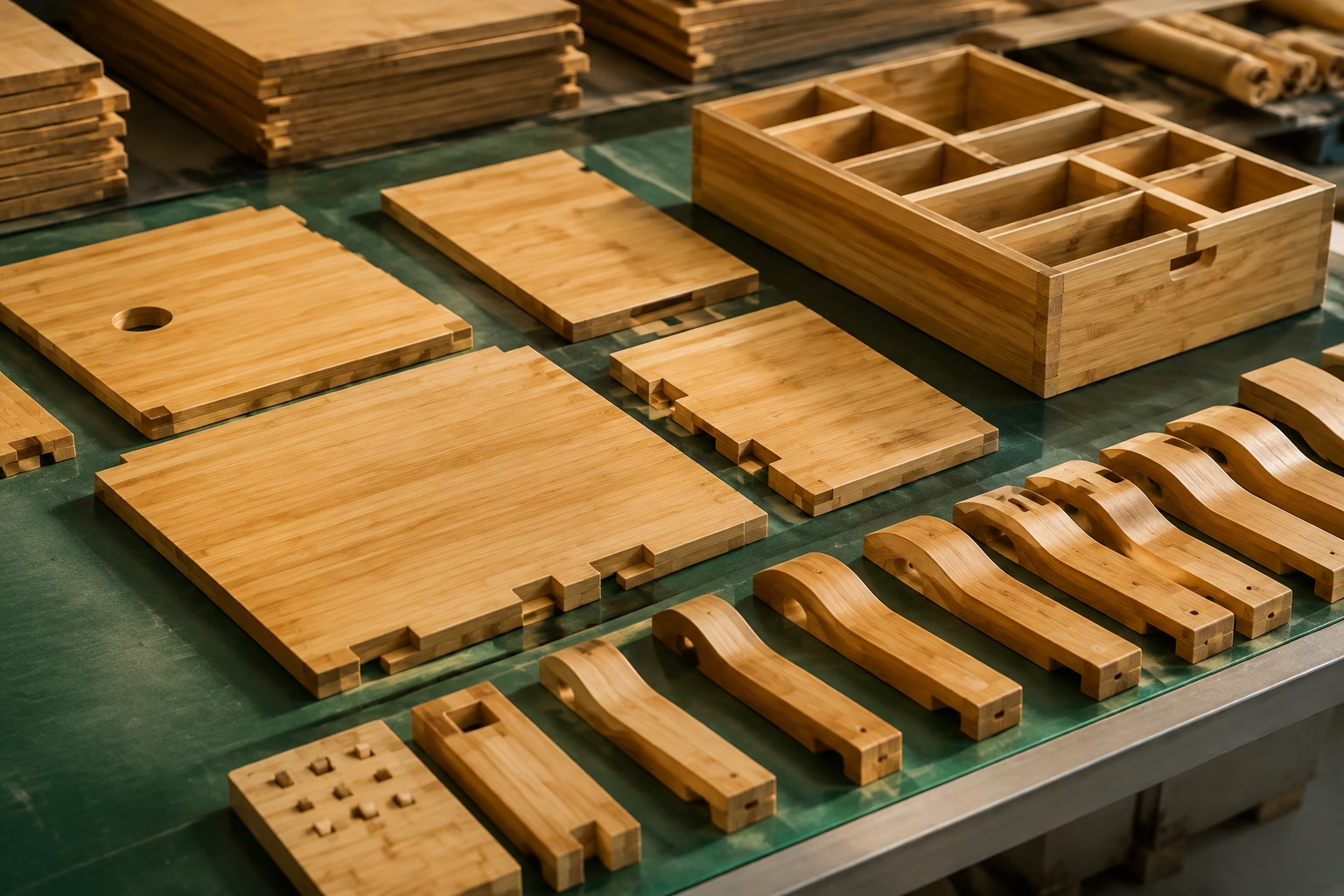
Construction Review
Component layout affects cutting, forming, panel construction, joining, pressing, machining and assembly requirements.
AFTER
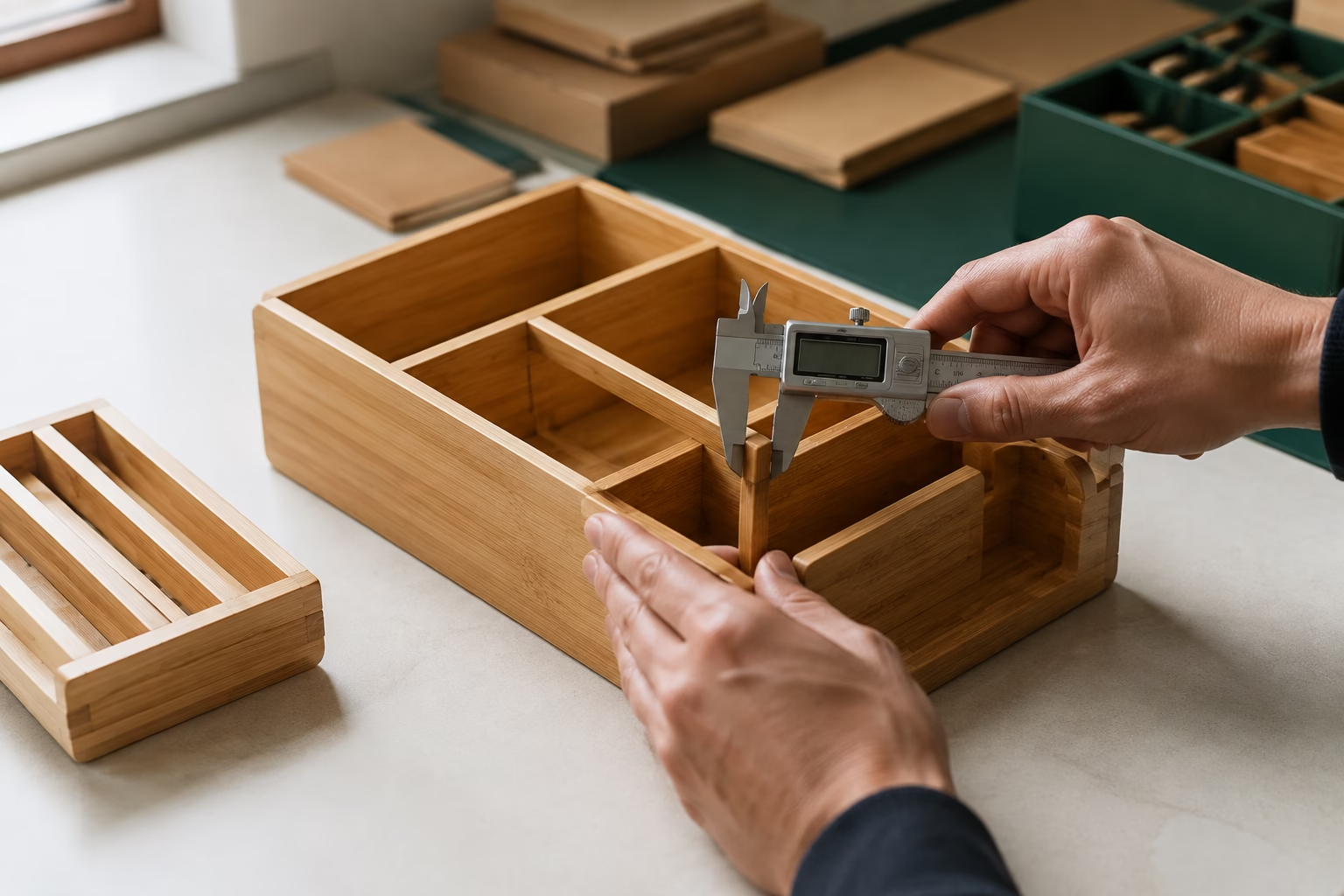
SHENGLIAN can review concepts, drawings or reference samples and assess material, structure, dimensions and function.
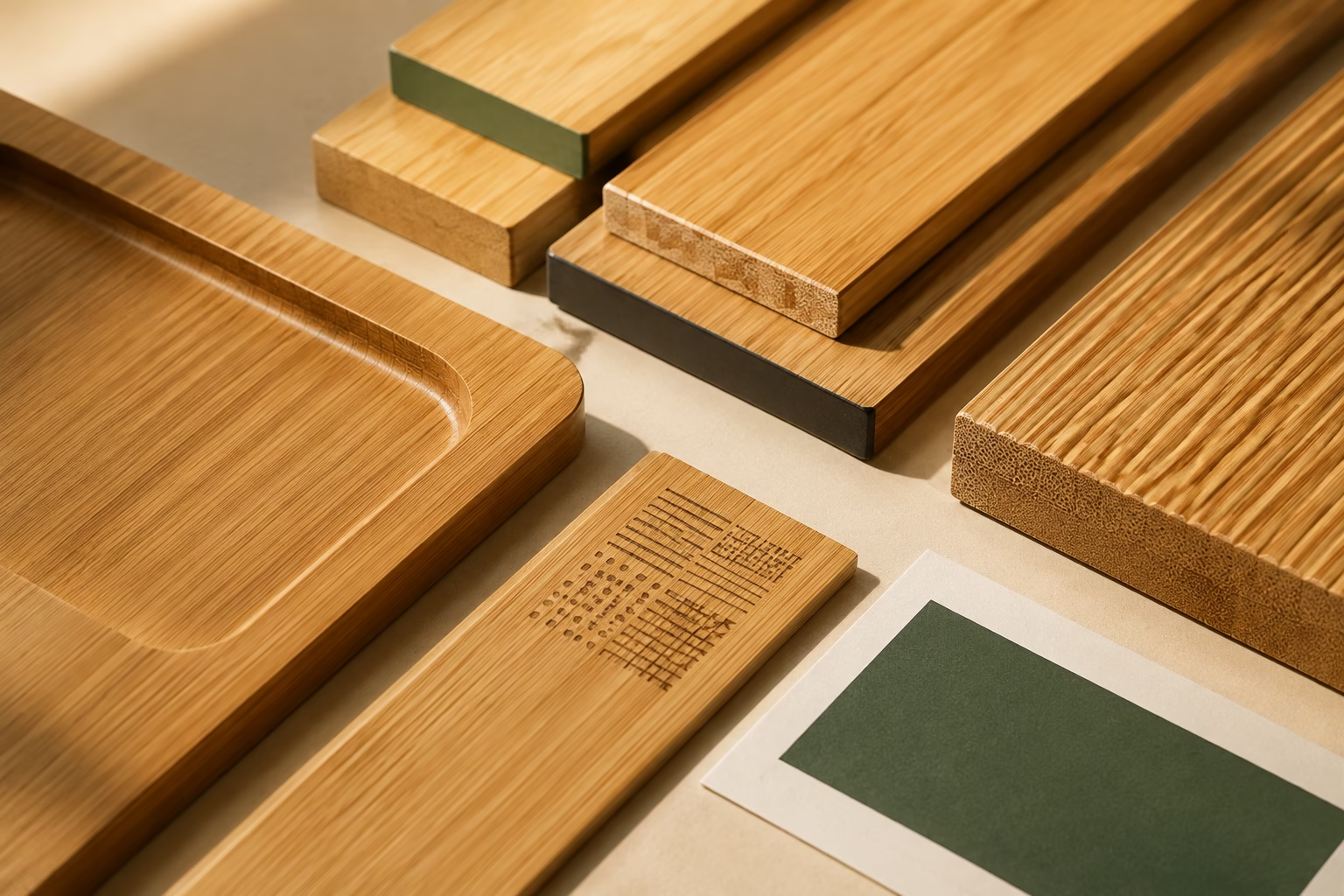
Set Visual Criteria
Define Appearance Before Comparing Materials
Appearance can influence the bamboo or wood decision, but the visual target should be described specifically. Define the desired colour direction, visible surface character, shape definition and level of consistency across one item or a complete collection. A reference image communicates retail intent, but it does not replace a physical specification.
Assess Feasibility
Review Material and Production Feasibility Together
A material may appear suitable at concept stage but require changes when production is considered. Product form, dimensions, joined areas, machined details, assembly and decoration can influence what is practical to produce and repeat. SHENGLIAN selects the production route according to the confirmed design and material direction.
01
Connected Design Decisions
Changing a dimension may affect a joint, while changing a shape may alter the branding area or packing arrangement.
02
Product Design Team
SHENGLIAN has more than 120 employees, including an approximately 12-person product design and development team.
03
The team supports material selection, drawing review, structural development and prototype coordination.
Validate the Direction
Use a Physical Sample to Compare Final Directions
A sample turns a broad bamboo-or-wood discussion into a review of a defined product. Compare each material direction against the same recorded criteria before bulk production decisions are made, including product form, target dimensions, construction, surface appearance, branding result and intended function.
BEFORE
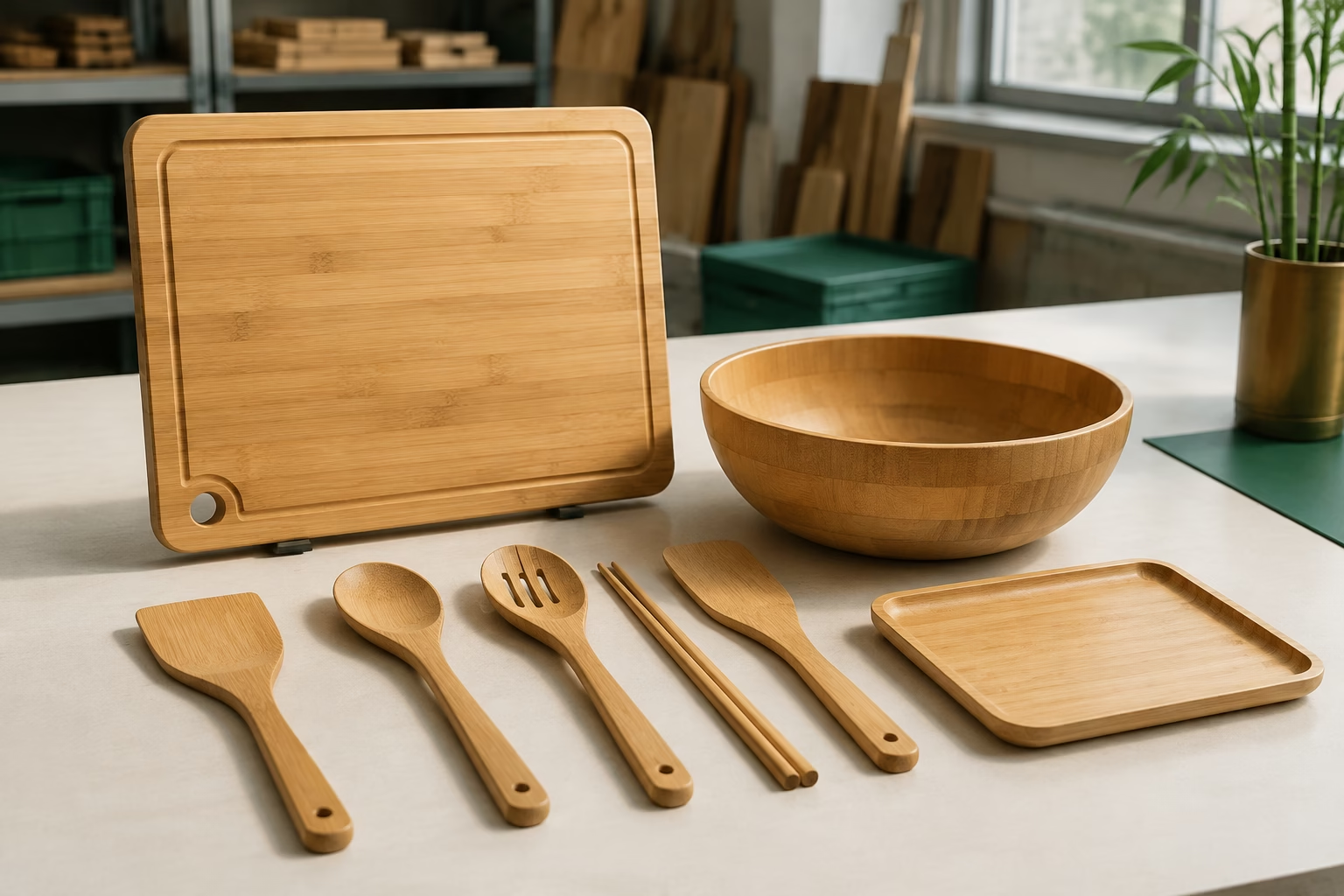
SHENGLIAN supports prototype production and sample revisions for bamboo and wooden products.
AFTER
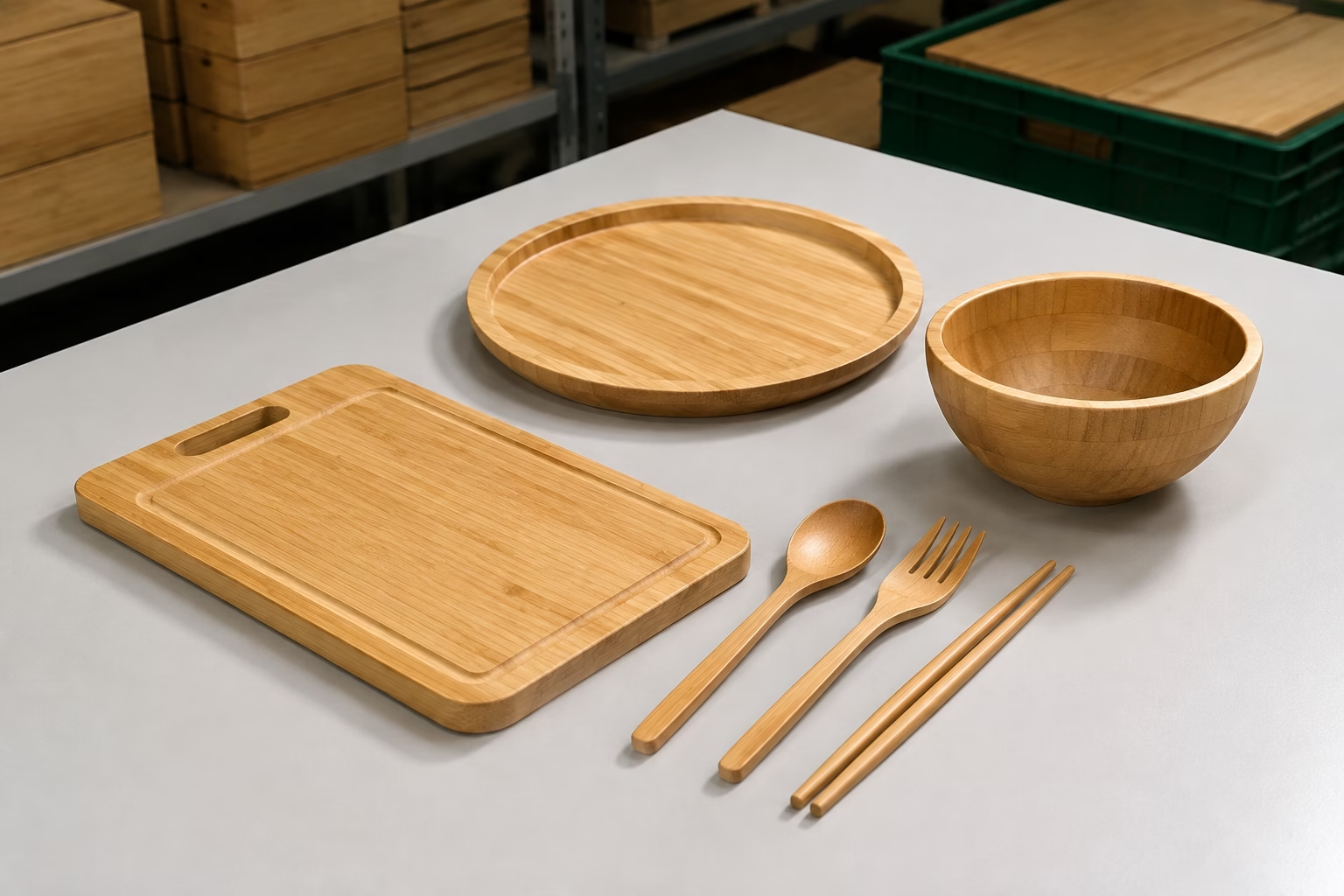
The exact sample process depends on structure, processing needs and the changes requested.
FAQ
Frequently Asked Questions
Neither is universally better. The suitable direction depends on the product’s use, construction, dimensions, appearance, processing route, testing requirements and commercial plan. The comparison should be made against a defined product brief rather than broad material claims.
Start with intended use, handling, product form, target dimensions, component structure and visual direction. Then consider the required production processes, branding method, food-contact status, packaging scope and order plan. These factors show how the material must work within the complete product.
Structure and dimensions determine the component layout and may influence cutting, forming, panel joining, CNC machining and assembly. Compartments, handles, curved parts, fitted features and dimensional limits should be reviewed with the proposed material before the design is finalized.
Yes. Shenglian supports laser engraving, screen printing and custom packaging, subject to review of the product, selected material, artwork and packaging requirements. The branding result and placement should be checked on the relevant product or sample.
The buyer should identify the intended food-contact use and applicable customer or destination-market requirements. Material and finished-product testing can be arranged, but the standards, laboratory, reports and certifications must be confirmed separately for each project.
Yes. We support drawing review, material selection, structural development, dimensional adjustment and prototype coordination. A drawing or reference sample helps our team assess how the proposed bamboo or wood direction connects with the product form and production route.
Start the Discussion
Discuss Your Bamboo or Wood Direction
Share the intended use, product reference, structure, dimensions and visual direction. SHENGLIAN will review the material choice in relation to processing, sampling, testing needs and the wider project requirements.