
Custom Bamboo Products for E-Commerce Sellers
SHENGLIAN Bamboo & Wood Products is an integrated manufacturer serving e-commerce sellers, online brands and marketplace businesses. We combine product design, development, manufacturing, quality management and international trade within one organization. Our team can review concepts, drawings, specifications or reference samples and develop the product, branding and packaging requirements needed for retail approval. We serve customers in more than 30 countries and regions, with approximately 85% of our products supplied to export markets. To begin an online retail project, define the intended use, dimensions, visual difference, expected order quantity and packaging format before requesting a project-specific review.
Project Definition
Build a Product Brief Around Commercial Fit
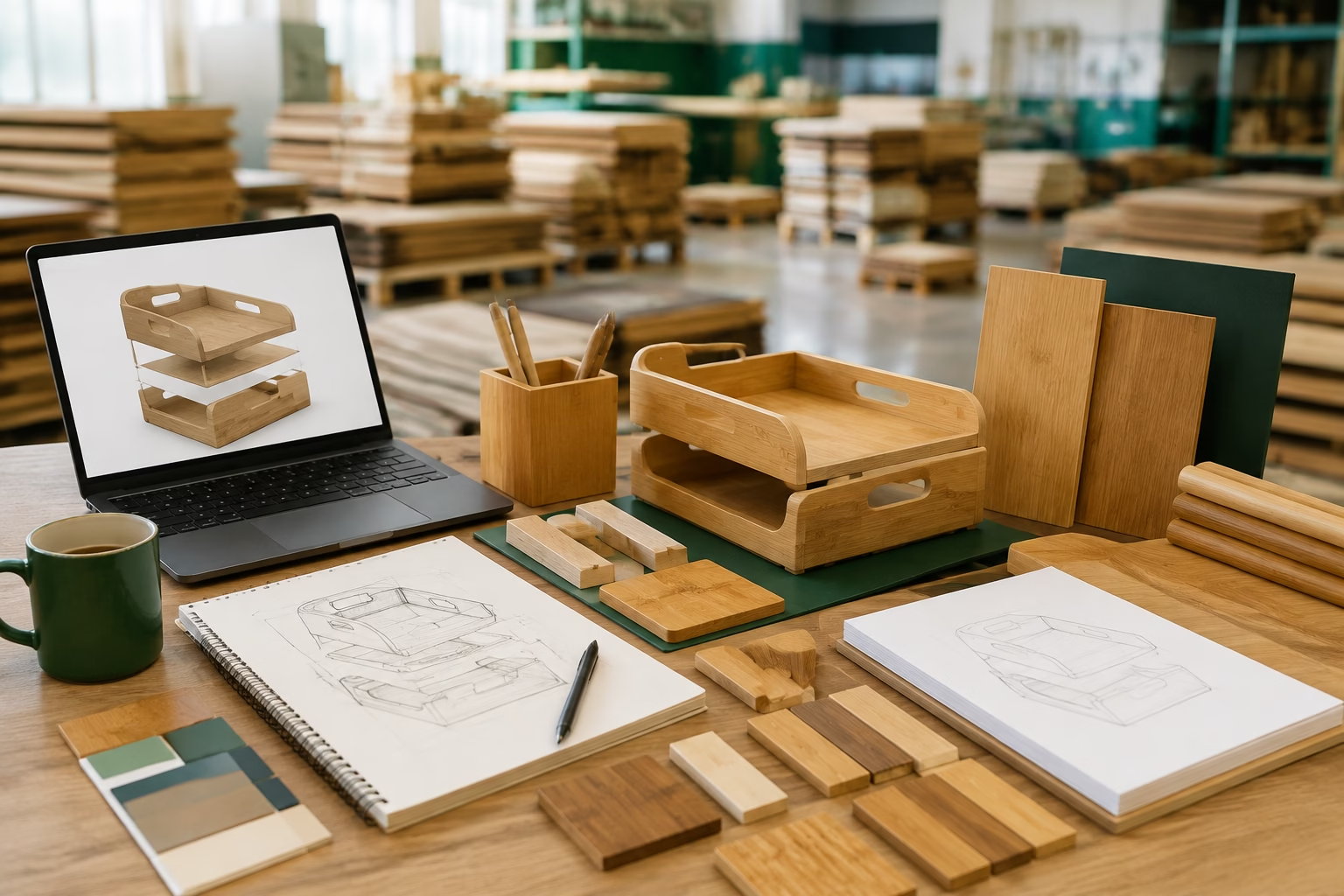
A clear product brief connects an e-commerce idea with a practical manufacturing specification. Explain the product’s function, intended user and reason for selection over similar products. This context helps SHENGLIAN assess the structure, dimensions, material direction and possible production methods. Begin with one defined product or a small project. Specify whether it will be sold individually, as a set or with accessories, and provide target dimensions and expected quantity. If the product must fit another object or space, include the relevant measurements and contact points.
Dimensioned Drawing
Provide a technical drawing or specification showing the dimensions and structural details available.
Product Concept
Submit a product concept supported by sketches, reference images or other visual information.
Physical Reference Sample
Supply details of a physical sample that can be reviewed as a development reference.
Modified Existing Product
Identify the required changes to an existing product’s size, structure, function or appearance.
Packaging-Led Concept
Explain any packaging concept that affects product dimensions, accessories or set composition.
Format Selection
Choose a Product Format Suited to Online Retail
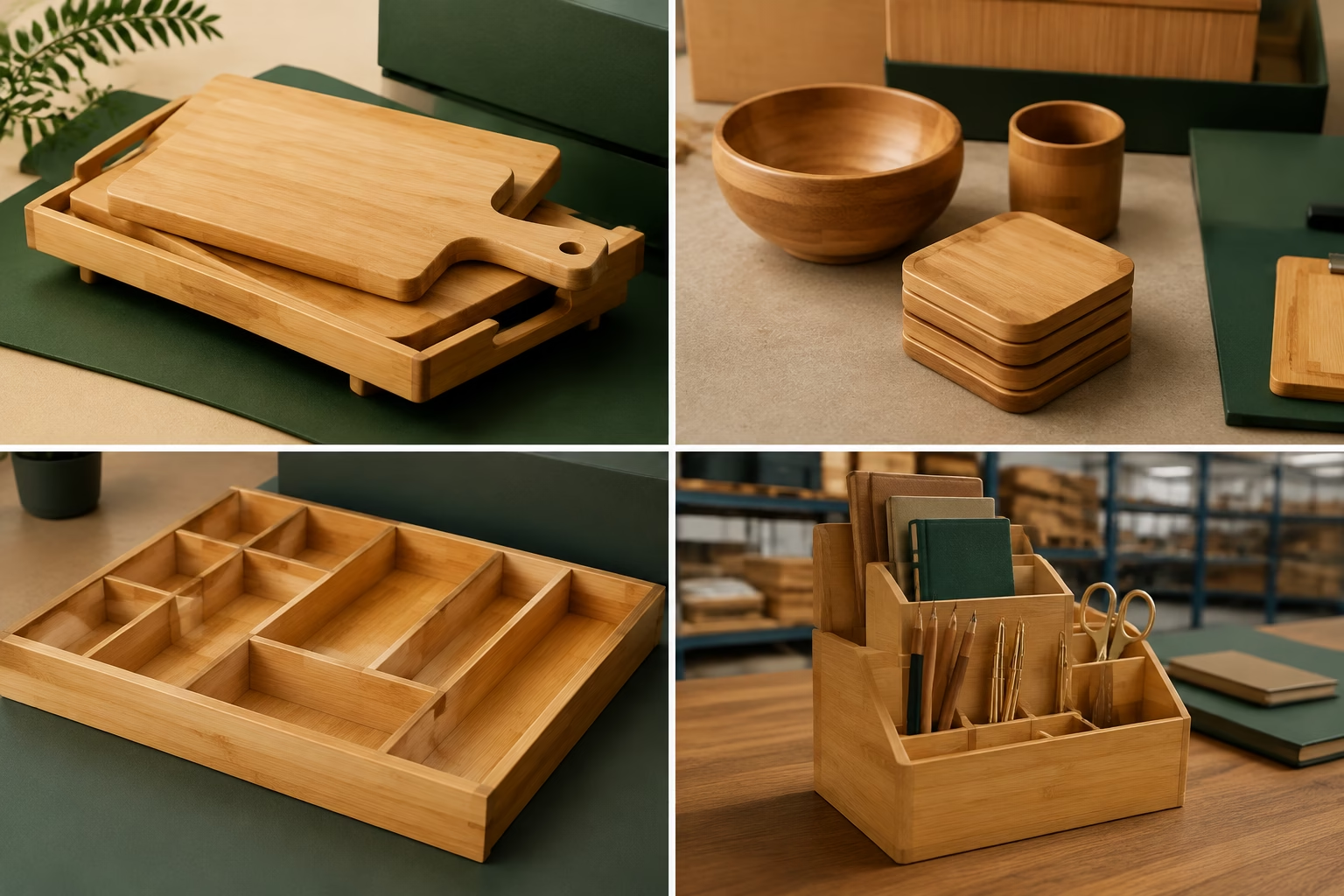
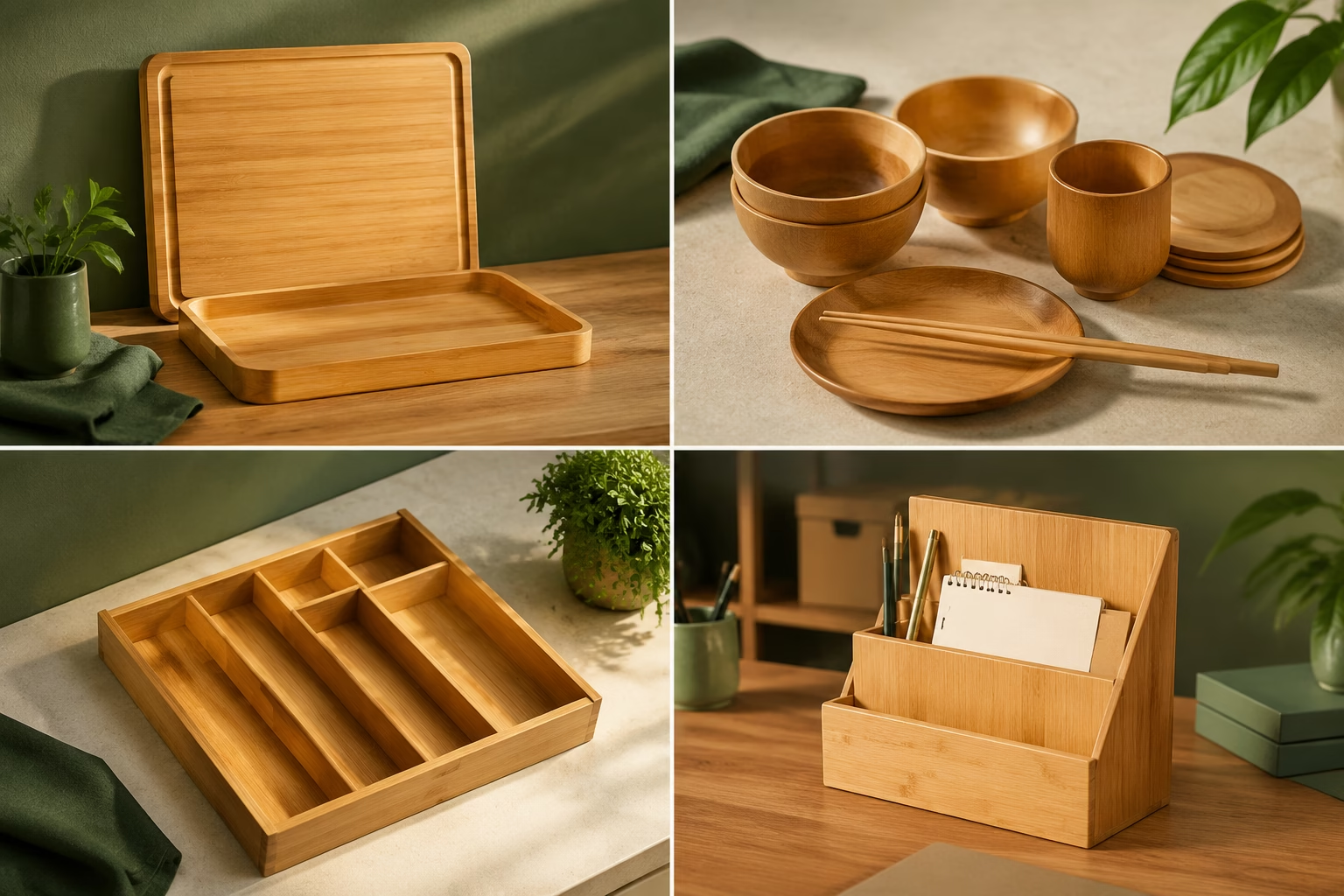
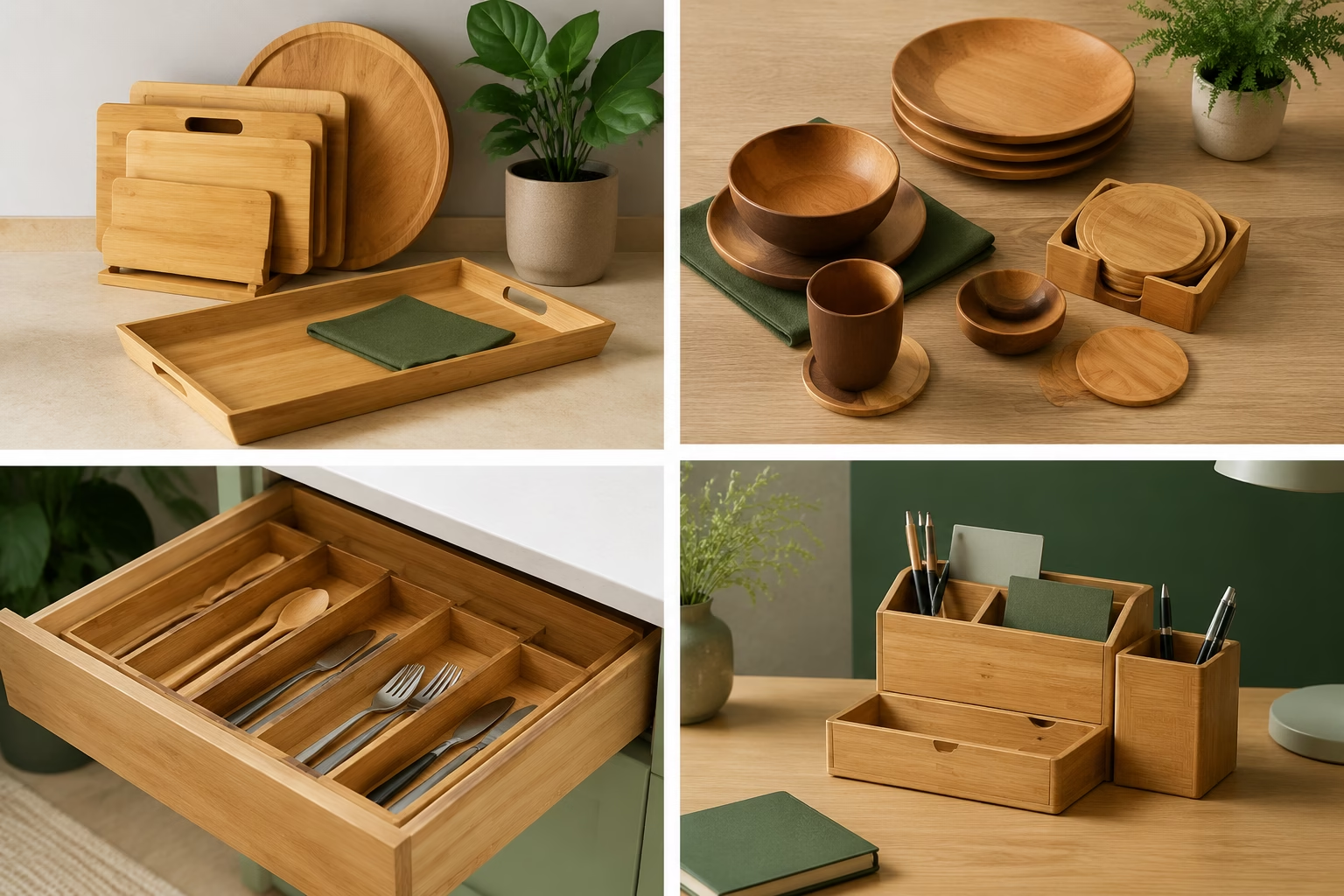
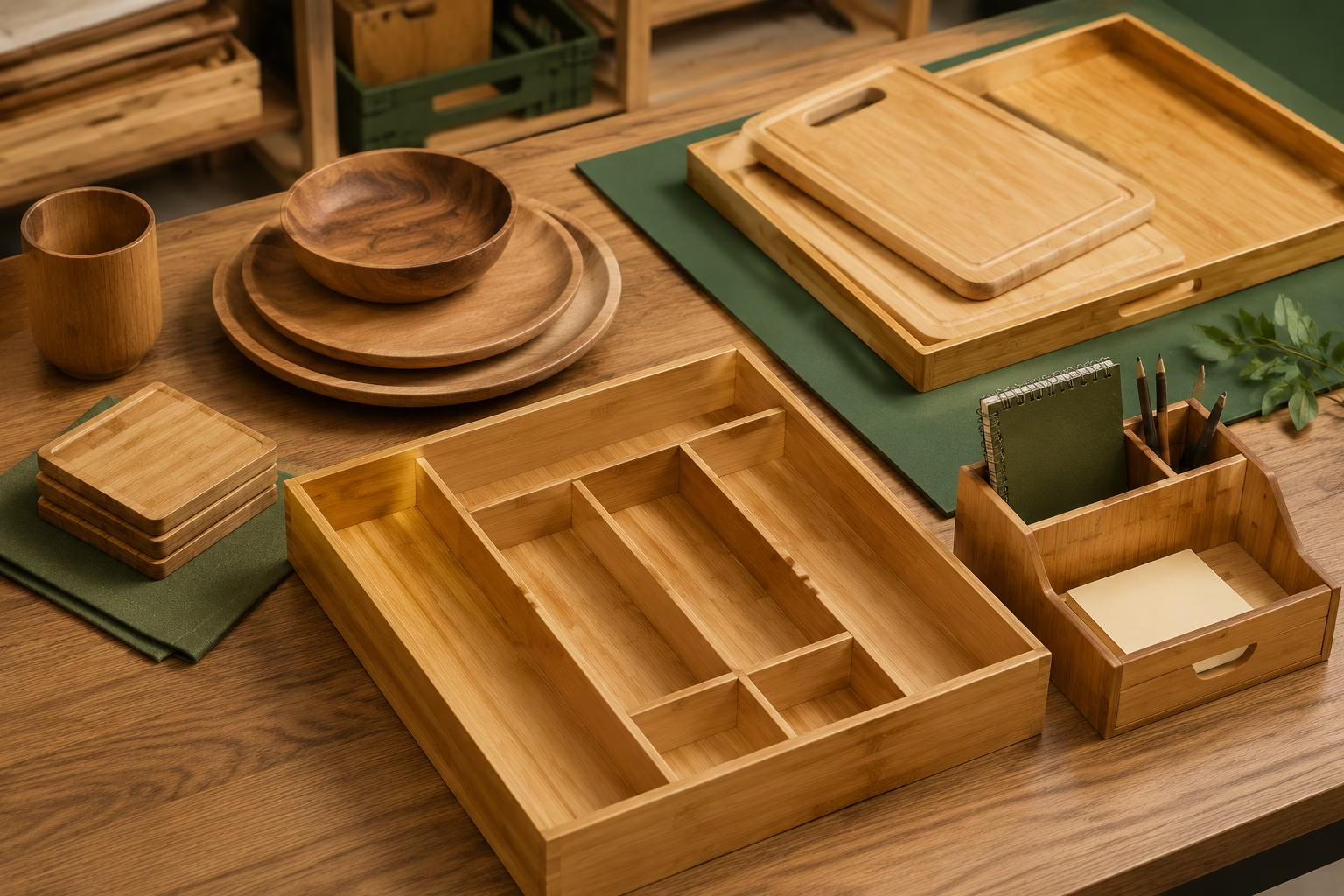
The appropriate product format depends on intended use, size, handling, presentation and retail position. SHENGLIAN manufactures bamboo and wooden kitchenware, tableware, home organization products, bathroom accessories, office products, household items and custom gifts for defined customer programs. An individually sold item may require different packaging and value presentation from the same item offered as a set. Accessories also affect component control, packed dimensions and inspection requirements. Buyers can compare the wider product range and other commercial applications before defining a format.
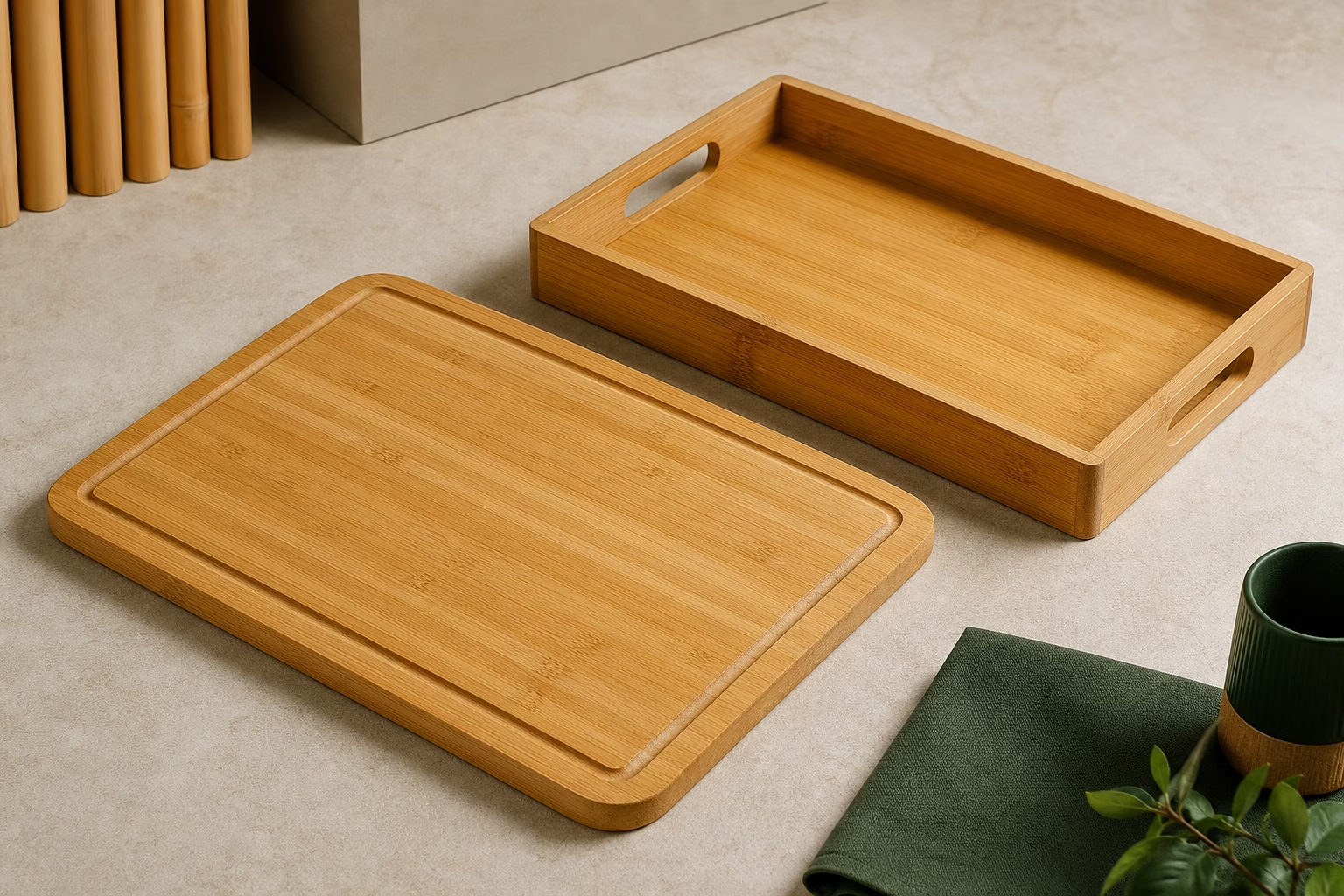
Cutting boards, serving boards, trays, utensils and organizers require clear use, size, handling, appearance and set details.
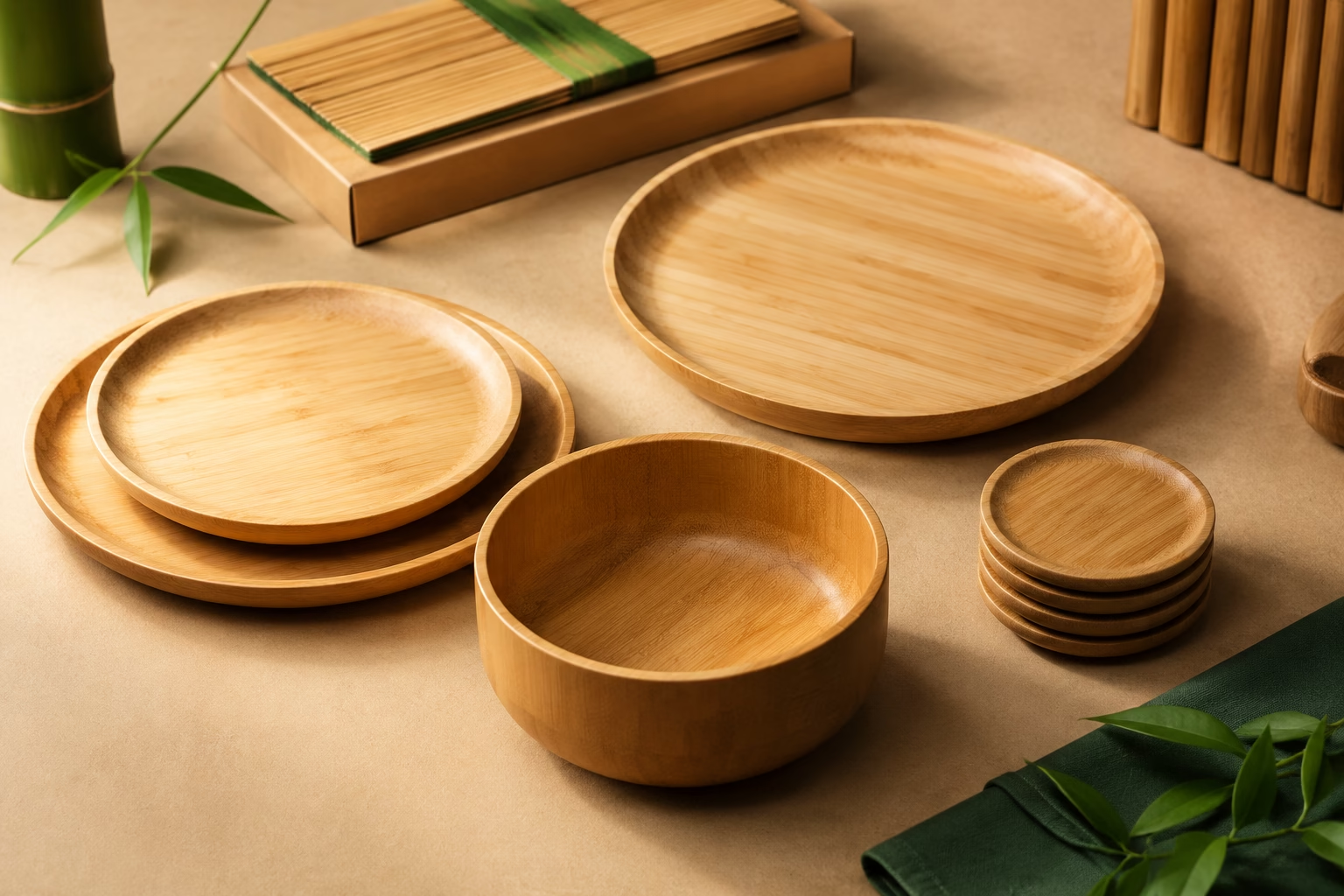
Plates, bowls, serving accessories and coasters require defined serving use, shape, dimensions, testing needs and presentation.
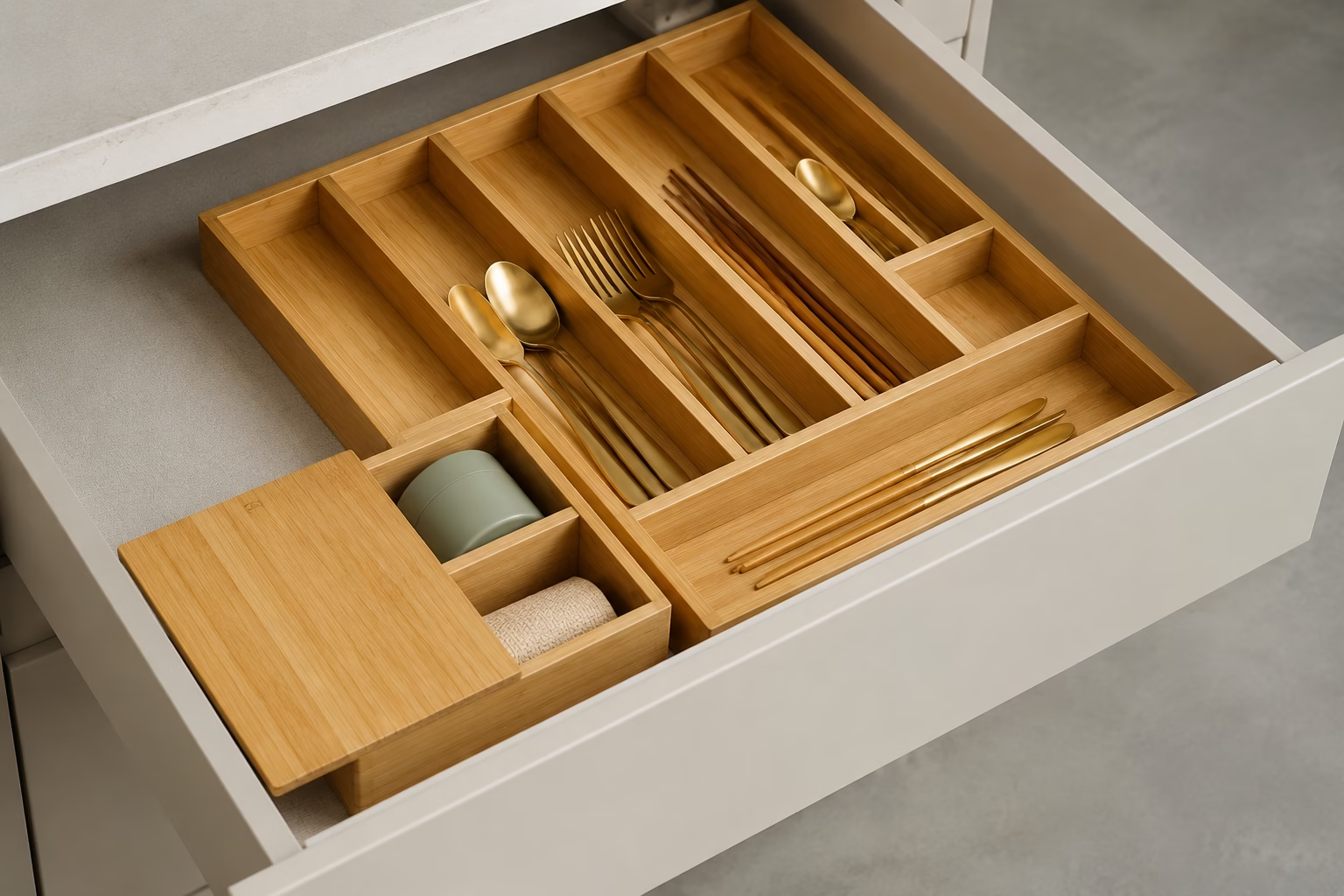
Storage boxes, drawer organizers and racks require a storage purpose, compartment layout, available space and assembly details.
Bath trays, soap dishes and vanity organizers require placement, drainage or storage functions, dimensions and appearance.
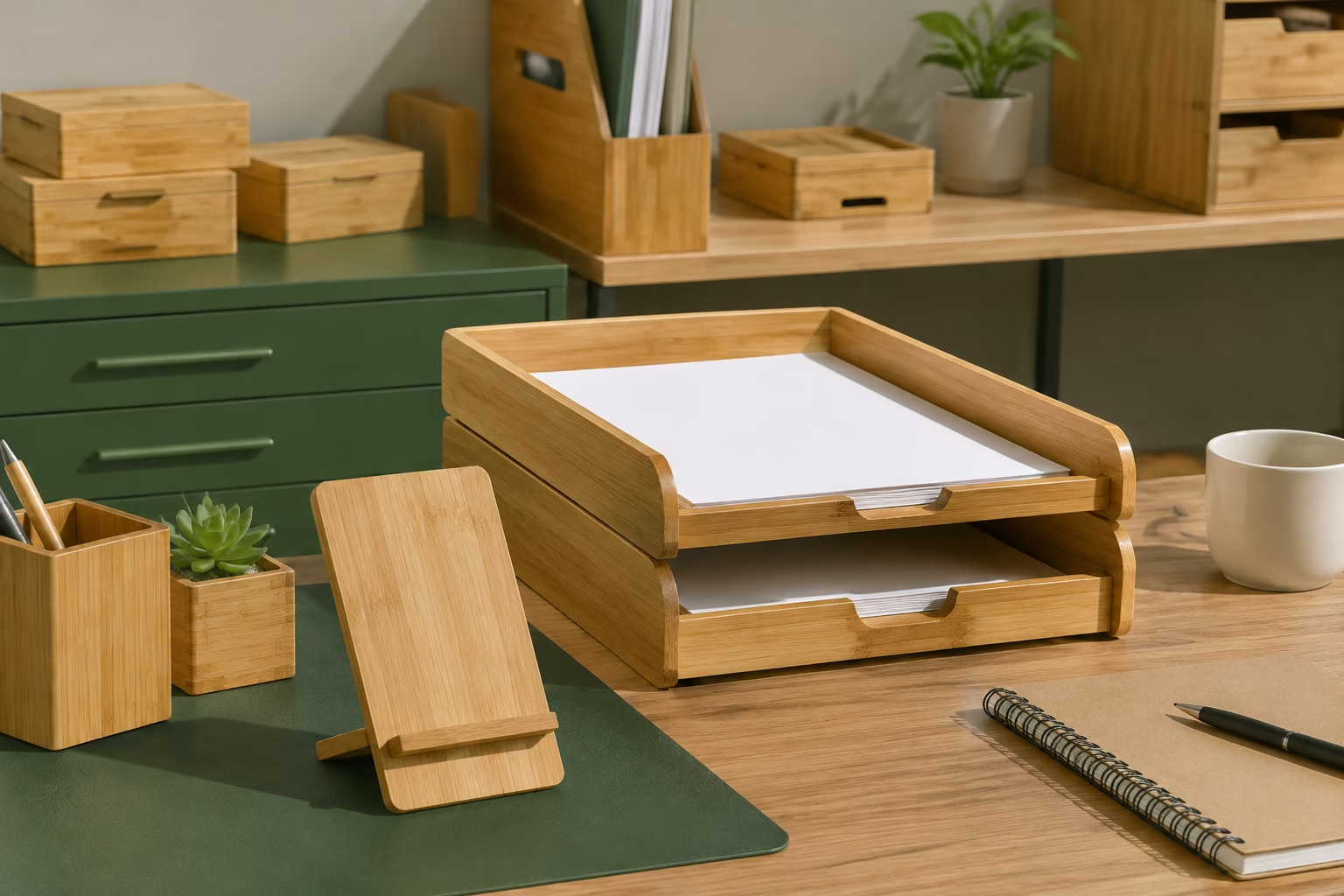
Desk organizers, document trays and display stands require supported-item dimensions, layout, viewing position and desktop footprint.
Homeware and Gifts
Household items, branded products and gifts require recipient use, visual direction, decoration and packaging details.
Compare SHENGLIAN’s complete range of bamboo and wooden product categories.
Review other commercial applications for bamboo and wooden products.
Feasibility Inputs
Define Material, Structure and Dimensions for Feasibility Review
A product image rarely provides enough information for an accurate manufacturing assessment. The technical brief should identify the preferred bamboo or wood direction, overall dimensions, component arrangement, functional details, assembly needs and expected surface appearance. Provide length, width, height, thickness, openings, slots, compartments and joined-part positions where available. Explain how the user will hold, open, place, store or assemble the product. Any dimension critical to fit or function should be identified rather than left to general proportions. Verified processes include cutting and forming, panel joining and pressing, CNC machining, precision sanding, surface finishing and assembly. The process sequence depends on the reviewed structure. Specifications can be adjusted, but drawings and samples must be approved before bulk production.
Distinguish Fixed Requirements from Flexible Preferences.
Identify Any External Dimension That Must Remain Unchanged.
State Whether Internal Compartments or Component Arrangements May Be Adjusted.
Define Required Functional, Assembly and Surface Appearance Details.
Confirm Material, Dimensions, Functionality and Appearance Through Drawings and Sample Approval.
Brand Differentiation
Prepare Logo Artwork and Brand Placement Details
Branding can differentiate an online product, but the decoration method must suit the selected surface, product form and artwork. SHENGLIAN offers laser engraving and screen printing for bamboo and wooden products, subject to review of the confirmed specification. Provide the logo file, intended position, decoration dimensions, orientation and appearance reference. Explain the logo’s relationship to edges, handles, joints or functional areas. If placement is flexible, identify which product face will be visible during normal use or when the package is opened.
Laser Engraving Creates the Design Directly on the Bamboo or Wooden Surface.
Screen Printing Applies Artwork Through a Printing Process.
Method Suitability Depends on the Product, Surface, Artwork and Confirmed Specification.
Decoration Should Be Reviewed on the Selected Product Rather Than Assessed Only from a Digital Image.
Packaging Preparation
Specify Retail Packaging, Labels and Product Protection
E-commerce packaging must present the product for sale and protect it through the agreed supply route. SHENGLIAN offers standard export packaging and customized retail packaging. Structure, printing, labels, barcodes, inserts and carton requirements are confirmed for each project. Product and packaging dimensions should be reviewed together because changes to handles, accessories or set layouts can affect packed size and internal support. Confirmed packaging also provides a reference for inspection and repeat orders, but shipping rates and delivery arrangements are assessed separately.
State Whether the Product Will Be Packed Individually or as a Set.
Define the Retail Packaging Structure and Opening Method.
Specify Product Protection and Internal Separation Requirements.
Provide Printed Artwork and Visible Brand Elements.
Confirm Label Content, Position and Dimensions.
Supply Barcode Data and Placement Requirements.
Identify Instructions, Information Cards and Other Inserts.
Define Inner Packing and Outer Carton Requirements.
Shipping Is Confirmed According to Destination, Order Volume, Packaging Specifications and Agreed Commercial Terms.
Approval Process
Use Sample Approval to Establish the Production Reference
The sample stage converts the written brief into a physical production reference. A typical route covers specification review, prototype or sample preparation, buyer feedback, revisions and final approval. Standard sample development takes approximately 10–15 working days, depending on structure, processing requirements and revisions. For repeat orders, retain approved drawings, artwork versions, packaging information and revision notes. These records provide a clearer control basis for replenishment, although every production order remains subject to its confirmed specifications and inspection requirements.
01
Confirm the Specification
Record the material direction, dimensions, structure, appearance, branding and packaging scope.
02
Prepare and Review the Sample
Check function, dimensions, assembly, surface appearance and decoration against the agreed brief.
03
Record Revisions
Identify each requested change and update the relevant drawing, artwork or packaging file.
04
Approve the Production Reference
Confirm the sample and associated documents before releasing the order for bulk production.
05
Apply Quality Checkpoints
Procedures cover incoming materials, first articles, in-process work, finished products and pre-shipment inspection.
Order Planning
Plan Quantity, Capacity and Reordering Requirements
The standard minimum order quantity is 1,000 units. Final order requirements depend on the product, material, dimensions, branding method, packaging and customization scope. Bulk production normally takes 30–45 days after the sample and order details are approved. Production timing remains subject to product complexity, quantity, packaging requirements and the production schedule. Capacity is approximately 200,000 pieces per month and up to 2.4 million pieces per year, depending on product mix and processing complexity. A repeat-order plan should identify the product version, packaging version, expected quantity and timing constraints. Quotations are based on confirmed specifications, quantity, packaging, testing and delivery requirements. Payment terms, Incoterms and shipping arrangements are confirmed in the quotation or sales contract.
State Which Artwork, Labels or Inserts Will Remain Fixed for Repeat Orders.
Identify Any Elements That Will Change and Require New Approval.
Reference the Approved Product and Packaging Versions When Planning Replenishment.
Do Not Assume Payment, Shipping or Delivery Terms Before Commercial Confirmation.
FAQ
Frequently Asked Questions
Send the product concept or reference, dimensions, material preference, expected quantity, branding files, packaging requirements, testing needs and delivery destination. Drawings and images are useful when they show important structural or visual details. The quotation is prepared from the confirmed project requirements.
Yes. We support OEM manufacturing from customer drawings, specifications or samples and ODM development from concepts and market requirements. Development may include material selection, structural changes, dimensional adjustment, prototyping and sample revisions. Feasibility is confirmed after reviewing the supplied information.
Verified branding methods include laser engraving and screen printing. The suitable option depends on the product, surface, artwork and desired appearance. Logo position, size and result should be reviewed and confirmed on the selected product before bulk production.
Yes. Customized retail packaging can include confirmed printing, labels, barcodes, inserts and carton requirements. The packaging structure and product protection requirements are reviewed for each project. Standard export packaging is also available.
The standard minimum order quantity is 1,000 units. The final order requirements are confirmed according to the product, quantity, material, dimensions, branding method, packaging and customization needs.
Standard sample development takes approximately 10–15 working days, depending on structure, processing requirements and revisions. Bulk production normally takes 30–45 days after sample and order approval, subject to complexity, quantity, packaging and the production schedule. Project timing is confirmed against the final brief.
Start Your Review
Move from Online Product Concept to Manufacturing Review
Send your product reference, technical requirements and retail packaging plan to SHENGLIAN. Our team will assess the available information, identify the proposed development and sampling route, and confirm the inputs needed to prepare a project-specific quotation.