
A Bamboo Product Development Team Connecting Ideas to Production
SHENGLIAN Bamboo & Wood Products is an integrated manufacturer serving overseas brands, retailers, importers, distributors and sourcing teams. More than 120 employees include an approximately 12-person design and development team, supported by dedicated production management and quality inspection personnel who coordinate buyer concepts, drawings, specifications and reference samples toward a production-ready direction.
Project Roles
People and Responsibilities Behind a Product Project
Bamboo and wooden product development involves connected decisions about materials, structure, dimensions, appearance, function, branding and packaging. SHENGLIAN's team structure links product development, production management, quality inspection and project communication so changes can be reviewed across the relevant workstreams.
Product Design and Development Team
Reviews concepts, drawings and samples, supporting material selection, structural development and dimensional adjustment.
Production Management Personnel
Supports production planning, order follow-up and coordination of confirmed product requirements.
Quality Inspection Personnel
Aligns confirmed buyer, product and approval requirements with quality coordination for production planning.
Project Communication Support
Coordinates revisions, packaging information and export project communication across different workstreams.
Review additional company information when assessing SHENGLIAN's operational fit for a sourcing project.
Buyer Inputs
Turning Buyer Information into a Clear Product Brief
A workable product brief gives each project participant the same starting point. SHENGLIAN can begin with a concept, specification, technical drawing or physical reference sample. The required development work depends on the completeness of the supplied information and the adjustments needed, and every concept is reviewed before a workable direction is confirmed.
Intended Use: What the Product Will Hold, Organize, Prepare, Serve, Display or Present.
Material Direction: Bamboo, Wood or a Material Decision to Be Made During Review.
Dimensions: Overall Size, Component Measurements, Fit Requirements and Relevant Proportions.
Structure: Component Layout, Joining Direction, Assembly Needs and Functional Features.
Appearance: Shape, Surface Expectations and the Visual Relationship Between Components.
Development Review
How the Design Team Reviews Bamboo and Wooden Products
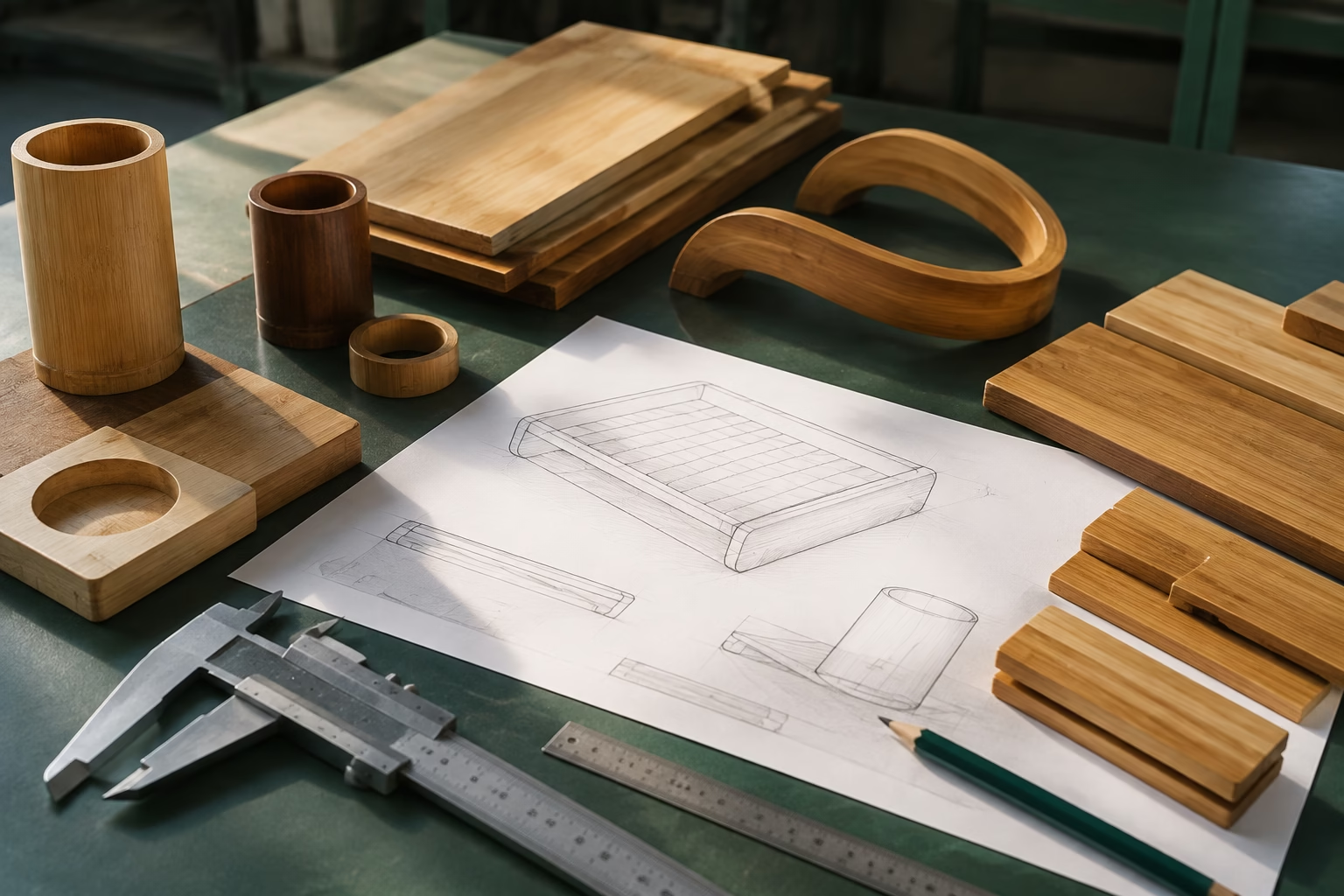
The approximately 12-person design and development team reviews the decisions shaping a product before production planning. Its work includes drawings, material selection, structural development, dimensional adjustment, appearance, function, prototyping and sample revisions. The team identifies missing or conflicting information by considering intended use, processing needs, component relationships, proportions, fit and functional details.
Reference Coordination
Using Drawings and Reference Samples to Reduce Ambiguity
Drawings can communicate dimensions, component relationships, feature locations and construction details, while physical samples can show proportions, handling and visual expectations. A reference sample does not replace complete requirements. The buyer and development team must still agree on materials, dimensions, branding, packaging and any requested changes, resolving discrepancies before confirming the product direction.
Compare Overall and Component Dimensions.
Review Construction and Structural Details.
Assess Surface Appearance and Visible Areas.
Confirm Branding Locations and Artwork Direction.
Identify Functional Features Requiring Adjustment.
Check Packaging Dimensions or Presentation Requirements Where Relevant.
Sample Review
Prototype Review and Revision Before Production
Prototypes allow the buyer and project team to assess a physical item before bulk production. Standard sample development takes approximately 10-15 working days, depending on product structure, processing requirements and revision count. This is not a fixed approval date; changed briefs or unresolved sample issues may require further discussion.
01
Confirm the Sampling Basis
Review available product information and identify the requirements needed to prepare the sample.
02
Prepare and Review the Sample
Assess the item against the agreed material, dimensions, structure, appearance and functional direction.
03
Record Revision Points
Receive buyer feedback and review how requested changes affect the defined product.
04
Confirm the Production Direction
Begin mass production planning only after the relevant sample and order details are agreed.
05
Review detailed expectations for sample planning, assessment, feedback and revisions.
Manufacturing Handoff
Handoff from an Agreed Product to Production Planning
After the product direction is agreed, production management connects development work with manufacturing preparation. Planning requires confirmed specifications, quantity, branding method and packaging requirements, not the sample alone. Differences among drawings, samples, artwork or packaging files should be resolved before planning, order follow-up and project coordination proceed.
01
Carry Agreed Design and Sample Information into Production Discussions Without Avoidable Gaps.
02
Coordinate Production Planning and Order Follow-Up Using Consistent Confirmed Requirements.
03
Review Later Changes Again When They May Affect Processing, Packaging or Other Order Details.
Defined Requirements
Quality Coordination Starts with Defined Requirements
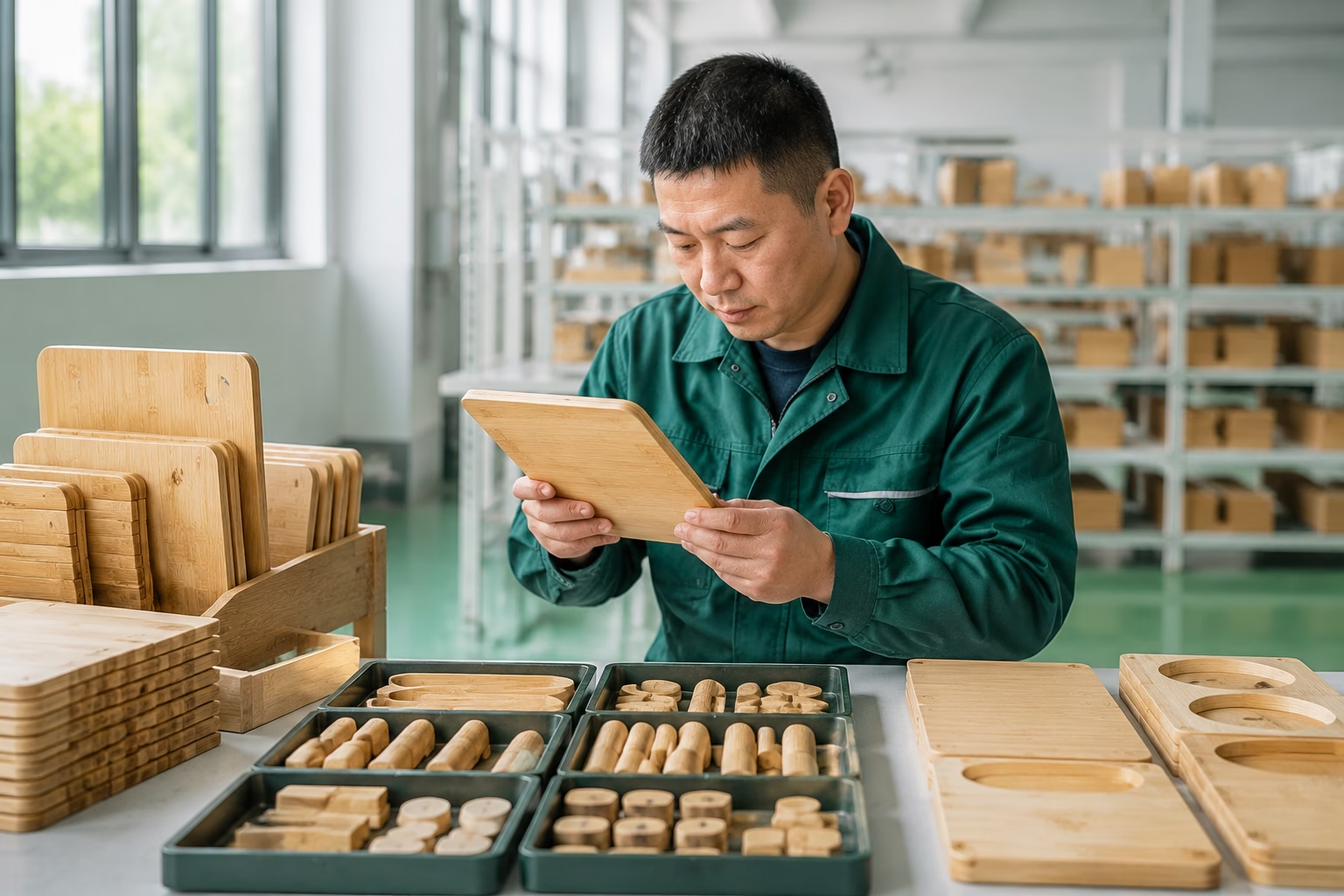
Dedicated quality inspection personnel work with development and production teams to carry agreed buyer requirements toward production. Dimensions, structure, appearance, branding and packaging must be defined clearly enough for consistent communication. Food-contact projects may require specific material or finished-product testing, with applicable standards, laboratories, reports and certifications confirmed separately for the customer and destination market.
B2B Project Fit
When This Project Team Structure Is a Good Fit
This team structure suits international B2B projects requiring coordination across development, production planning and quality requirements. It can support OEM products based on supplied specifications, ODM concepts, private-label items, custom homeware and products developed from reference samples. Feasibility remains subject to review, and clear buyer input helps identify open questions and next-stage information.
A Drawing Needs Material, Structural or Dimensional Review.
A Reference Product Must Be Adapted for a Different Use or Presentation.
An Early Brand Concept Still Needs Key Product Requirements Defined.
Product, Branding and Packaging Information Must Be Coordinated for a Private-Label Item.
A Prototype Needs Revisions Before the Product Direction Can Be Confirmed.
Production and Quality Personnel Need the Same Agreed Project Requirements.
FAQ
Frequently Asked Questions
Depending on the project, development may involve our product design and development team, production management personnel and quality inspection personnel. The design team reviews product requirements and revisions. Production management supports planning and order follow-up, while quality personnel coordinate relevant product requirements as the project moves toward production.
Yes. The team supports design and drawing review and can assess a reference sample as part of a project discussion. Please identify any changes you want to make rather than assuming the sample will be reproduced without review. Dimensions, materials, structure, appearance, branding and packaging may still need confirmation.
The team supports material selection, structural development, dimensional adjustment, appearance and functional development, prototyping and sample revisions. The exact work depends on the product information supplied and the changes required.
The team coordinates the sampling basis, receives buyer feedback and reviews requested changes before the product direction is confirmed. Standard sample projects take approximately 10–15 working days, depending on product structure, processing requirements and the number of revisions.
Their involvement depends on the project stage. Production management connects agreed product information with planning and order follow-up. Quality personnel support alignment between the defined product requirements and the quality information carried into production.
Provide the product concept or reference, intended use, material direction, dimensions, structure, functional requirements, branding, packaging and quantity. Drawings, artwork, photographs and reference samples can make the discussion more specific. Requirements are reviewed before feasibility and quotation details are confirmed.
Start a Discussion
Discuss Your Product with the Project Team
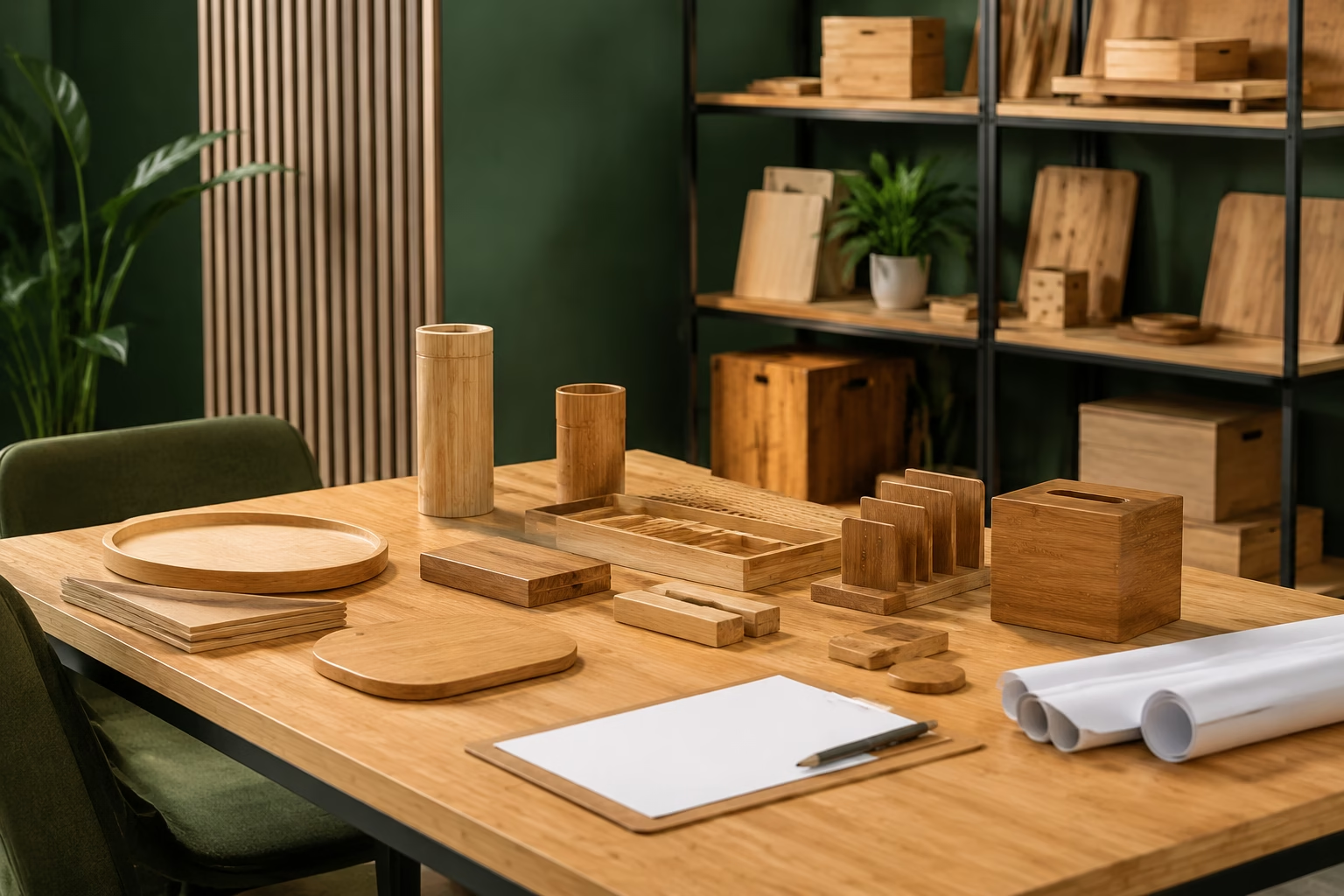
Send SHENGLIAN your concept, drawings, reference sample details or product specifications for review. The team can assess the available information, identify development questions and coordinate the next practical step toward an agreed, production-ready product direction. Buyers with defined requirements can request a project-specific quotation.