
Raw Material Preparation for Bamboo and Wood Products
SHENGLIAN Bamboo & Wood Products manufactures custom kitchenware, tableware, organizers, homeware, office accessories and branded gifts for international brand owners, importers, retailers, distributors and product development teams. Bamboo and wood raw material preparation connects the material direction in a drawing, specification or reference sample with requirements that can be reviewed before component production begins. Send the intended use, preferred material direction, dimensions, structure and available technical documents for a project-specific discussion and quotation.
Where Material Preparation Fits in the Manufacturing Workflow
Material preparation creates the link between a product brief and the production stages that follow. Its purpose is to make sure the material direction and product requirements are understood before material moves into component production. SHENGLIAN's verified workflow includes raw material preparation followed by cutting and forming, panel joining and pressing, CNC machining, precision sanding, surface finishing, assembly, inspection and packaging. Each stage has a different task. At the preparation stage, the focus remains on the material and the requirements that affect its use in the planned product. This early review matters because bamboo and wood products vary widely in form and function. A cutting board, storage box, bath tray and display stand may each require a different structure, component plan and appearance. The material direction therefore needs to be considered in relation to the complete product rather than treated as an isolated purchasing choice. Buyers evaluating the broader factory process can review our bamboo and wood manufacturing capabilities . The next production stage is covered separately in our guide to cutting and forming .
Define Material Requirements from the Product Use and Technical Brief
A useful material brief starts with the job the finished product must perform. The intended use affects the product structure, dimensions, appearance, handling and any testing requirements. It also gives our team the context needed to review whether the proposed material direction fits the concept. We can review customer drawings, written specifications and reference samples. Our team supports material selection, drawing review, structural development and dimensional adjustment as part of custom product development. This support does not replace project-specific confirmation. The selected bamboo or wood, component arrangement and appearance requirements still need to be agreed for the individual product. Useful inputs at this stage include: If the material choice is still open, use our guide to choosing bamboo or wood for a product before submitting the brief.
Product Type and Intended Use: Identify What the Product Is and How the End User Is Expected to Handle It.
Material Direction: State Whether the Concept Is Intended for Bamboo, Wood or Is Open to Technical Review.
Drawings or Reference Samples: Provide the Clearest Available Record of the Shape, Structure and Proportions.
Dimensions and Component Layout: Include Overall Dimensions and Relevant Component Relationships.
Appearance and Function: Describe the Required Visual Direction and Functional Features Without Relying Only on Photographs.
Project Constraints: Note Branding, Packaging or Testing Needs That May Influence Product Construction or Material Decisions.
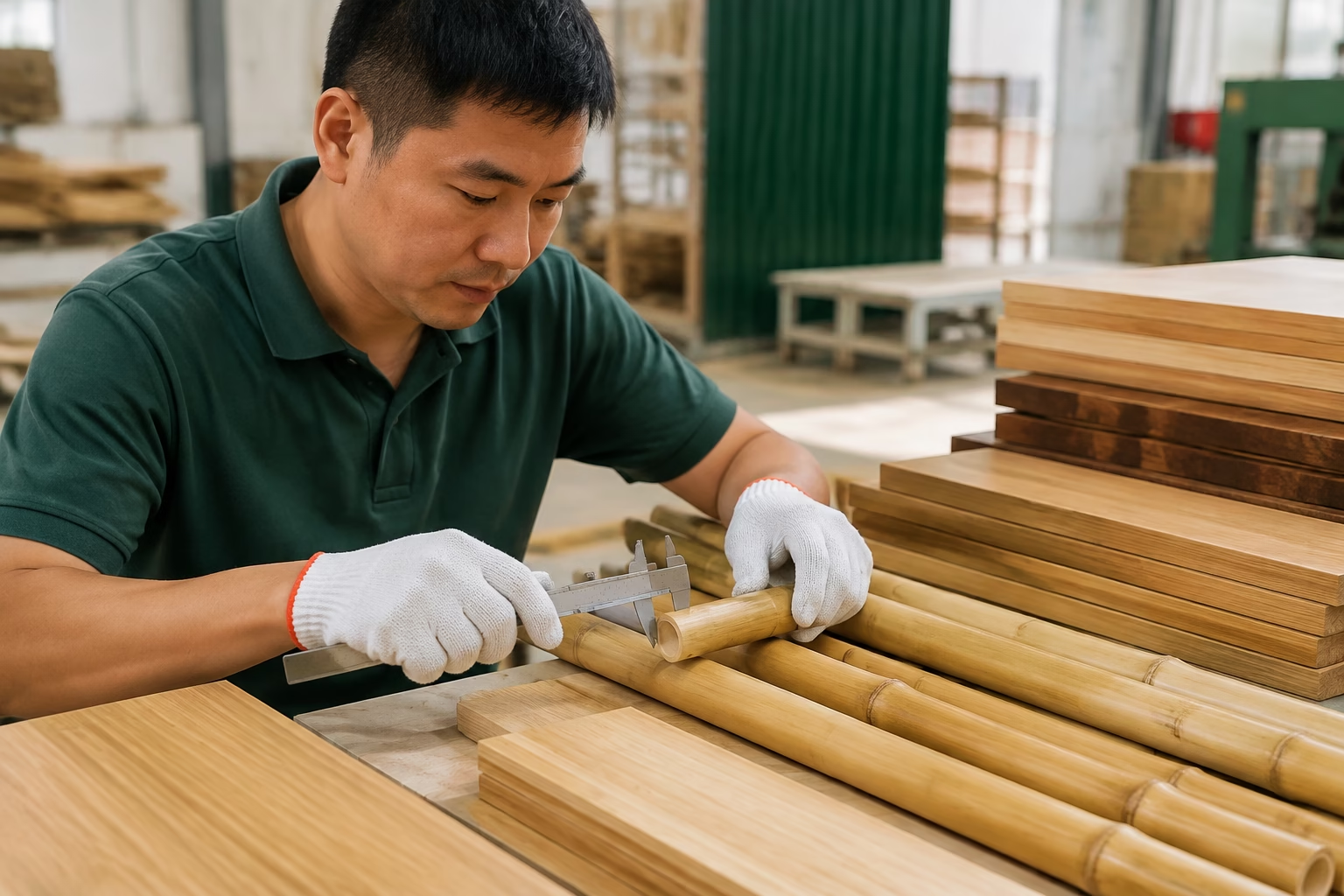
Incoming Material Inspection Before Production
Incoming material inspection checks received material against the requirements established for the project before it proceeds further into production. It is an early checkpoint for identifying a mismatch between the agreed material direction and the material presented for use. The inspection basis depends on the product and its confirmed specifications. SHENGLIAN does not apply an unsupported universal claim about species, grades or material performance. Instead, relevant requirements are established during project review and used as the reference for the incoming-material check. Incoming inspection is one part of our wider quality control sequence. Later controls include first-article approval, in-process inspection, finished-product inspection and pre-shipment inspection. Those later checks address products and production stages that do not yet exist at material intake. Keeping the checkpoints separate helps the project team connect each review to the right production evidence. The complete sequence and its role in order control are described on our quality control capability page. At the raw material stage, the practical decision is straightforward: determine whether the incoming material aligns with the confirmed project requirements before further processing begins.
Preparing Material for Panels, Components and Product Structures
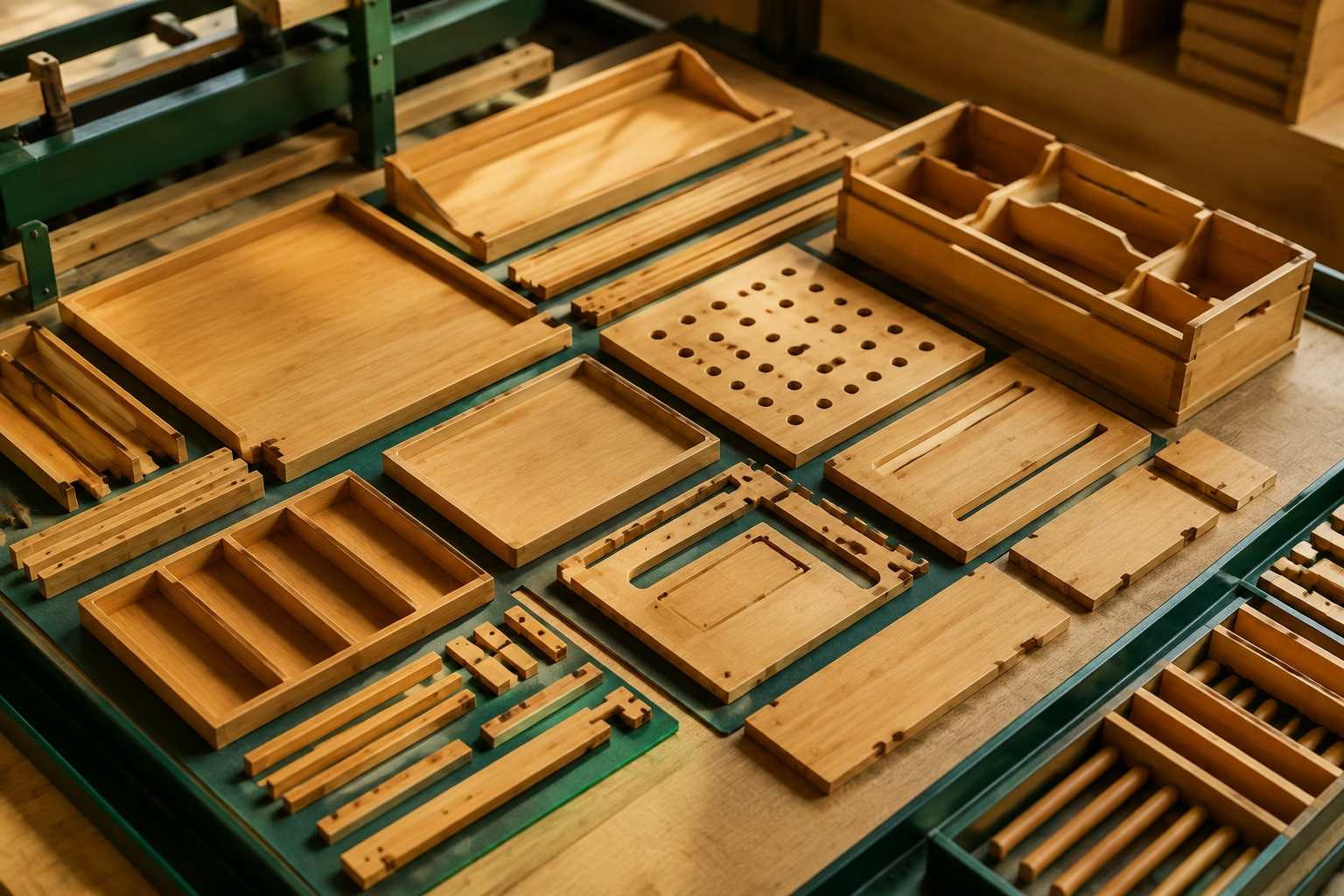
Once the incoming material has been reviewed, preparation supports the component and structural plan for the product. SHENGLIAN operates approximately 12,000 square metres of production and warehousing facilities in China, including areas for raw material processing and component production. The required preparation route depends on the product design. A single-piece item has a different component plan from a multi-part organizer, assembled tray or storage product. The project documents must therefore show how the material relates to the intended components and final structure. At this stage, our team connects the material direction with factors such as the product form, component arrangement, dimensions and later process needs. Detailed decisions about cutting, forming, panel construction or CNC operations belong to their respective technical reviews. Material preparation provides the controlled starting point for those processes; it does not replace them. A clear handoff reduces ambiguity when the project moves forward. The production team should be working from the same drawing, sample reference and material direction that were used during feasibility review.

Fix the Material and Product Record Before Work Proceeds
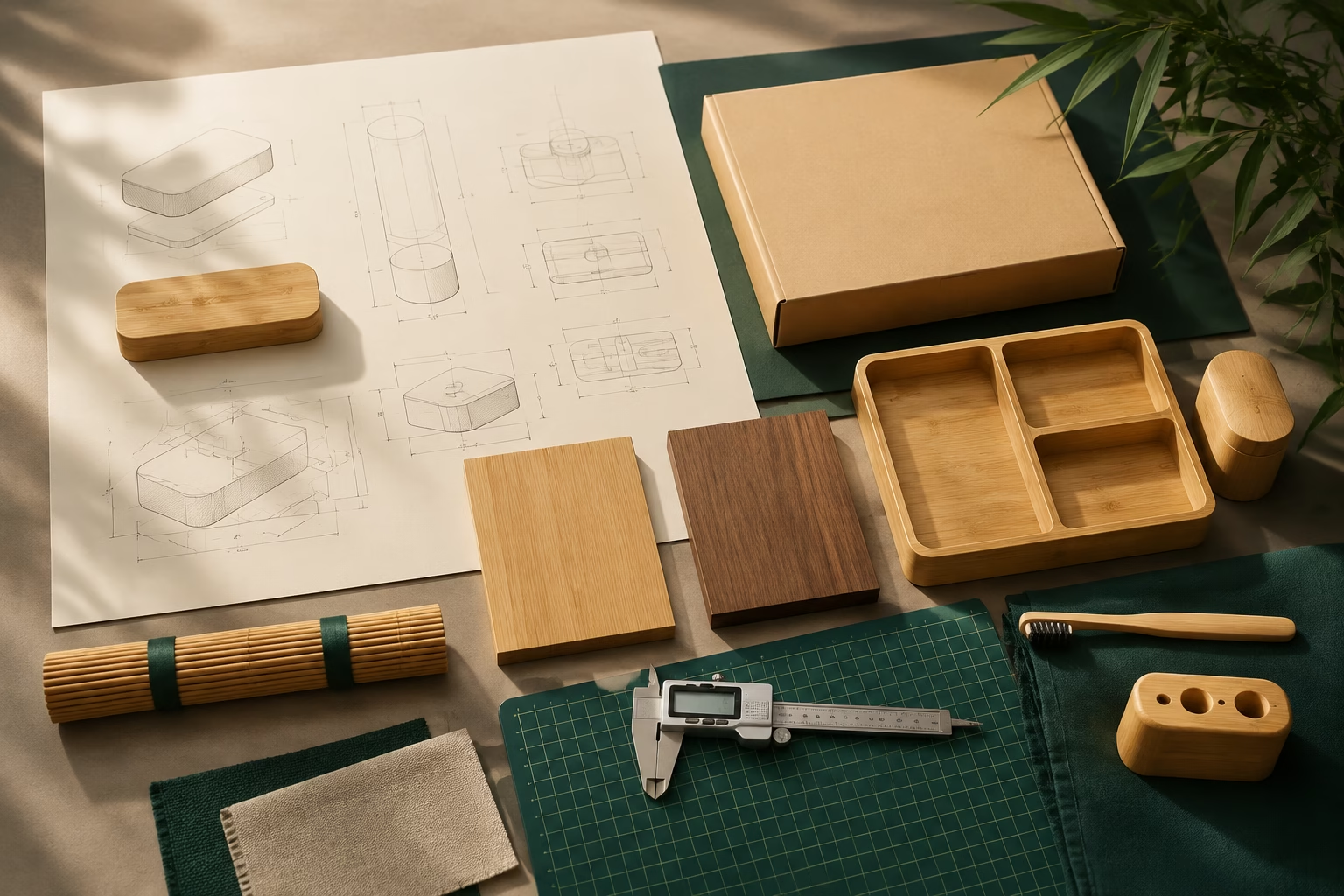
Material preparation should be based on a stable project record. Changes made after preparation begins may affect components, later processing steps or the consistency of the product brief. For that reason, key decisions should be reviewed together before the project proceeds. The record may include the selected material direction, current drawing or reference sample, dimensions, structure, appearance and functional requirements. Branding and packaging details should also be identified when they affect the product itself. For example, a planned decoration area may influence the required component surface, while a packaging format may affect the product dimensions or set arrangement. When a drawing, sample or requirement changes, the revised information should be checked against the material and component plan. This keeps the production reference aligned with the latest confirmed version. It also separates a controlled change from an informal request that has not yet been assessed for manufacturing feasibility. Prototype and sample revisions can support this confirmation process when a physical review is needed. The purpose at the material stage is not to promise a specific result or tolerance. It is to establish a clear and traceable basis for the next production decision.
Raw Material Preparation Questions
It establishes how the selected bamboo or wood will enter the production workflow for a defined product. The work connects the material direction and incoming inspection with the component and structural requirements shown in the project documents. The exact preparation route depends on the product and confirmed specifications. It checks incoming material against the agreed project requirements before further processing. Finding a mismatch at this point allows it to be reviewed at the material stage instead of carrying an unresolved issue into component production and later quality checkpoints. Include the intended product use, bamboo or wood preference, drawings or a reference sample, dimensions, structure, appearance and functional needs. Add branding, packaging or testing information when those requirements may affect the product or material decision. Yes. Our team supports drawing review, material selection, structural development, dimensional adjustment, prototyping and sample revisions. The review is used to identify the project requirements and open feasibility questions before production proceeds. Tell us the intended food-contact use, destination market and requested testing scope. Material and finished-product testing can be arranged according to customer and market requirements, but the applicable standards, laboratory, reports and certifications must be confirmed for each project. Prepared material moves into the relevant component production route according to the confirmed product plan. Depending on the product, later verified processes may include cutting and forming, panel joining and pressing, CNC machining, sanding, finishing, assembly, inspection and packaging.
What Does Raw Material Preparation Involve for Bamboo and Wood Products?
It establishes how the selected bamboo or wood will enter the production workflow for a defined product. The work connects the material direction and incoming inspection with the component and structural requirements shown in the project documents. The exact preparation route depends on the product and confirmed specifications.
Why Is Incoming Material Inspection Important Before Production Begins?
It checks incoming material against the agreed project requirements before further processing. Finding a mismatch at this point allows it to be reviewed at the material stage instead of carrying an unresolved issue into component production and later quality checkpoints.
What Material Information Belongs in a Custom Product Brief?
Include the intended product use, bamboo or wood preference, drawings or a reference sample, dimensions, structure, appearance and functional needs. Add branding, packaging or testing information when those requirements may affect the product or material decision.
Can SHENGLIAN Review a Drawing or Reference Sample Before Material Preparation?
Yes. Our team supports drawing review, material selection, structural development, dimensional adjustment, prototyping and sample revisions. The review is used to identify the project requirements and open feasibility questions before production proceeds.
How Are Food-Contact Testing Requirements Considered?
Tell us the intended food-contact use, destination market and requested testing scope. Material and finished-product testing can be arranged according to customer and market requirements, but the applicable standards, laboratory, reports and certifications must be confirmed for each project.
What Happens After Raw Material Preparation?
Prepared material moves into the relevant component production route according to the confirmed product plan. Depending on the product, later verified processes may include cutting and forming, panel joining and pressing, CNC machining, sanding, finishing, assembly, inspection and packaging.
Confirm the Starting Point for Your Product
Send the product use, material preference, technical reference, dimensions and any food-contact requirements that apply. We will use this information to discuss how the material brief connects with incoming inspection and the next production stage. Discuss Material Requirements
FAQ
Frequently Asked Questions
Raw material preparation establishes how the selected bamboo or wood will enter the production workflow for a defined product. It connects material direction and incoming inspection with the component and structural requirements in the project documents. The exact route depends on the product and confirmed specifications.
Incoming inspection checks received material against the agreed project requirements before further processing. Identifying a mismatch at this point allows the issue to be reviewed at the material stage instead of carrying it into component production and later quality checkpoints.
Include the intended product use, bamboo or wood preference, drawings or a reference sample, dimensions, structure, appearance and functional needs. Add branding, packaging or testing information whenever those requirements may affect the product or material decision.
Yes. SHENGLIAN supports drawing review, material selection, structural development, dimensional adjustment, prototyping and sample revisions. The review identifies project requirements and open feasibility questions before production proceeds.
Provide the intended food-contact use, destination market and requested testing scope. SHENGLIAN can arrange material and finished-product testing according to customer and market requirements, but applicable standards, laboratories, reports and certifications must be confirmed for each project.
Prepared material enters the relevant component production route according to the confirmed product plan. Depending on the product, later verified processes may include cutting and forming, panel joining and pressing, CNC machining, sanding, finishing, assembly, inspection and packaging.

Prepare a Material Brief for Feasibility and Quotation Review
A complete brief helps our team identify open questions before material preparation and later production planning are discussed. The following table shows the main information to submit and why each item matters. Submit these details through our custom product quotation form . We will review the information in relation to the proposed material, product structure and verified production processes.