
Bamboo and Wood Cutting and Forming for Defined Components
SHENGLIAN Bamboo & Wood Products produces bamboo and wooden kitchenware, tableware, organizers, homeware, office products and gifts for overseas brands, retailers, importers, distributors and product developers. Our cutting and forming stage translates approved drawings, written specifications or reference samples into defined component dimensions and basic shapes for later production stages. For technical review, provide each component’s dimensions, shape details and relationship to the finished product. These inputs help establish a clear production basis before the product-specific route continues.
How Cutting and Forming Establish the Component Basis
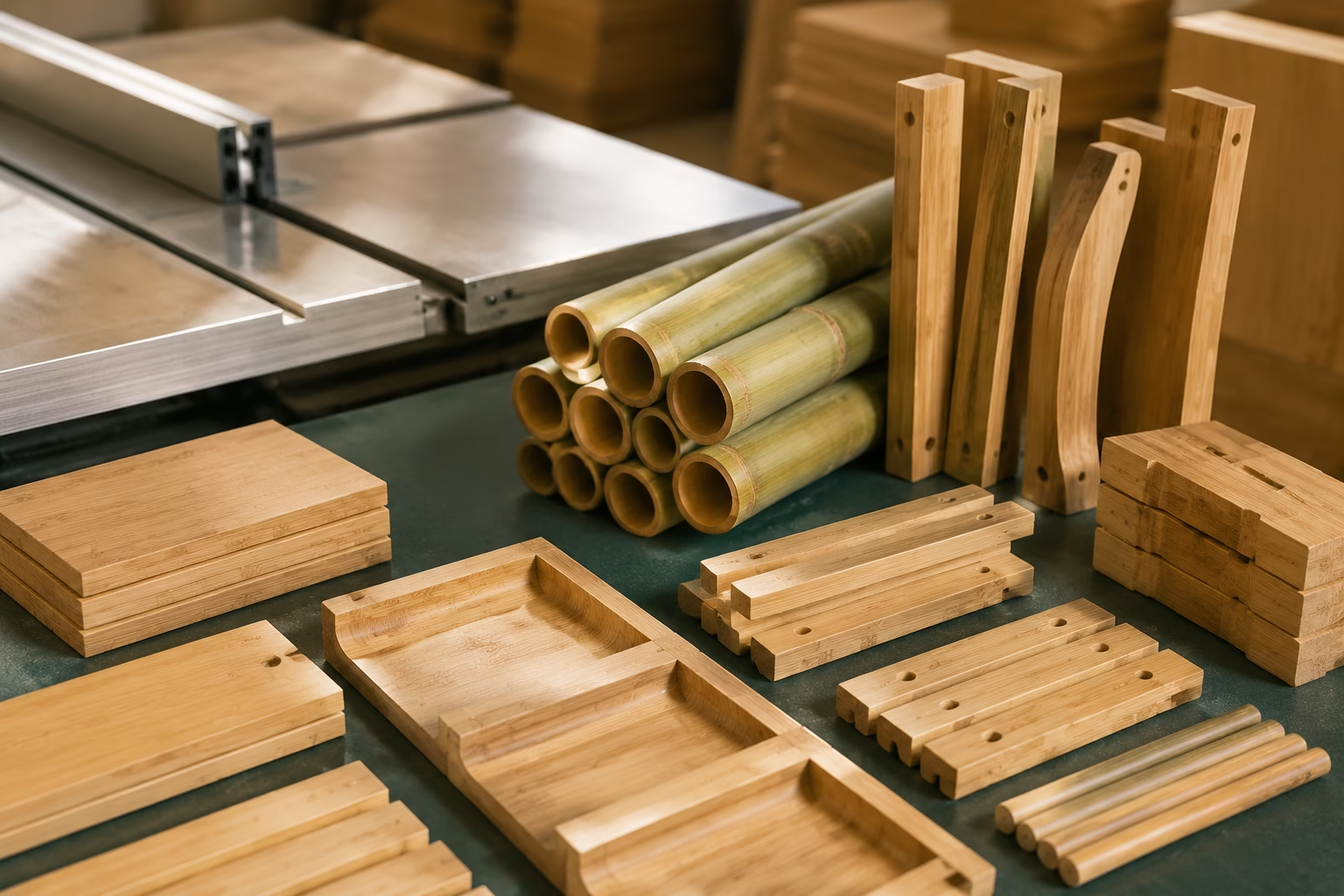
Cutting and forming take place after the material requirements have been identified and before more detailed downstream processing. The purpose is to establish the size and basic geometry of each bamboo or wooden component according to the defined product structure. A simple product may begin with one main component, while an organizer, storage product or display stand may require several parts with different dimensions and shapes. Each component must be understood as part of the complete product. A dimension that appears correct in isolation may not support the intended structure if it does not match the adjoining parts. Cut and formed parts provide a controlled starting point for later processing. Depending on the product, the route may continue through panel joining and pressing, CNC machining, sanding, surface finishing, assembly, inspection or packaging. The detailed methods and controls for those stages are covered in our bamboo and wood manufacturing workflow .
Production Inputs from Drawings, Specifications or Samples
Component production must be based on information that can be reviewed and translated into clear instructions. We support OEM projects using customer drawings, written specifications or reference samples. These sources serve different purposes and can be used together. A reference sample does not remove the need to confirm measurable requirements. Samples can have variation, wear or features that are difficult to interpret without supporting dimensions. Before production instructions are released, the relevant dimensions, component shapes and structural relationships need a clear basis. When the supplied information is still being developed, our approximately 12-person product design and development team can support drawing review, structural development and dimensional adjustment. Buyers who need broader concept or drawing support can review our custom product design and development service .
Drawings Show Dimensions, Outlines, Component Relationships and Other Measurable Product Details.
Written Specifications Record the Material Direction, Component Count, Intended Use and Requirements That May Not Be Clear from a Drawing Alone.
Reference Samples Provide a Physical Example of the Product Concept, Proportions or Structure That the Buyer Wants Us to Assess.
Define the Size and Shape of Every Part
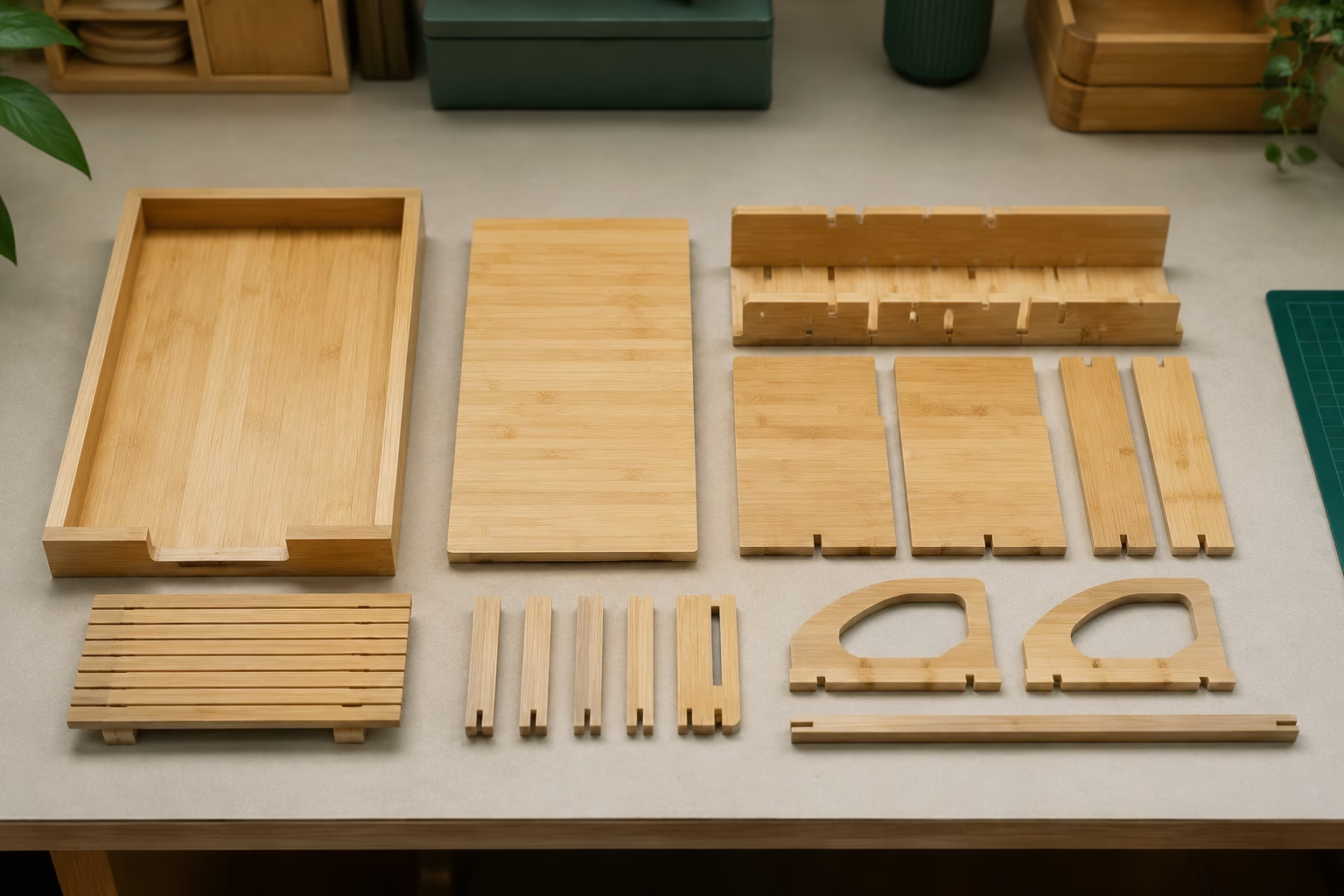
A component brief should identify more than the finished product's overall size. It should define each separate part and show how that part fits into the product structure. This reduces uncertainty when a product contains dividers, supports, sides, bases or other connected elements. Unusual profiles, openings, curves and other shape requirements should be visible in the drawing or supporting files. Their feasibility depends on the complete product design, material direction and later processing route. Detailed recesses, machined features and other CNC work are assessed separately under our CNC machining capability.
Match Component Geometry to Material and Product Structure
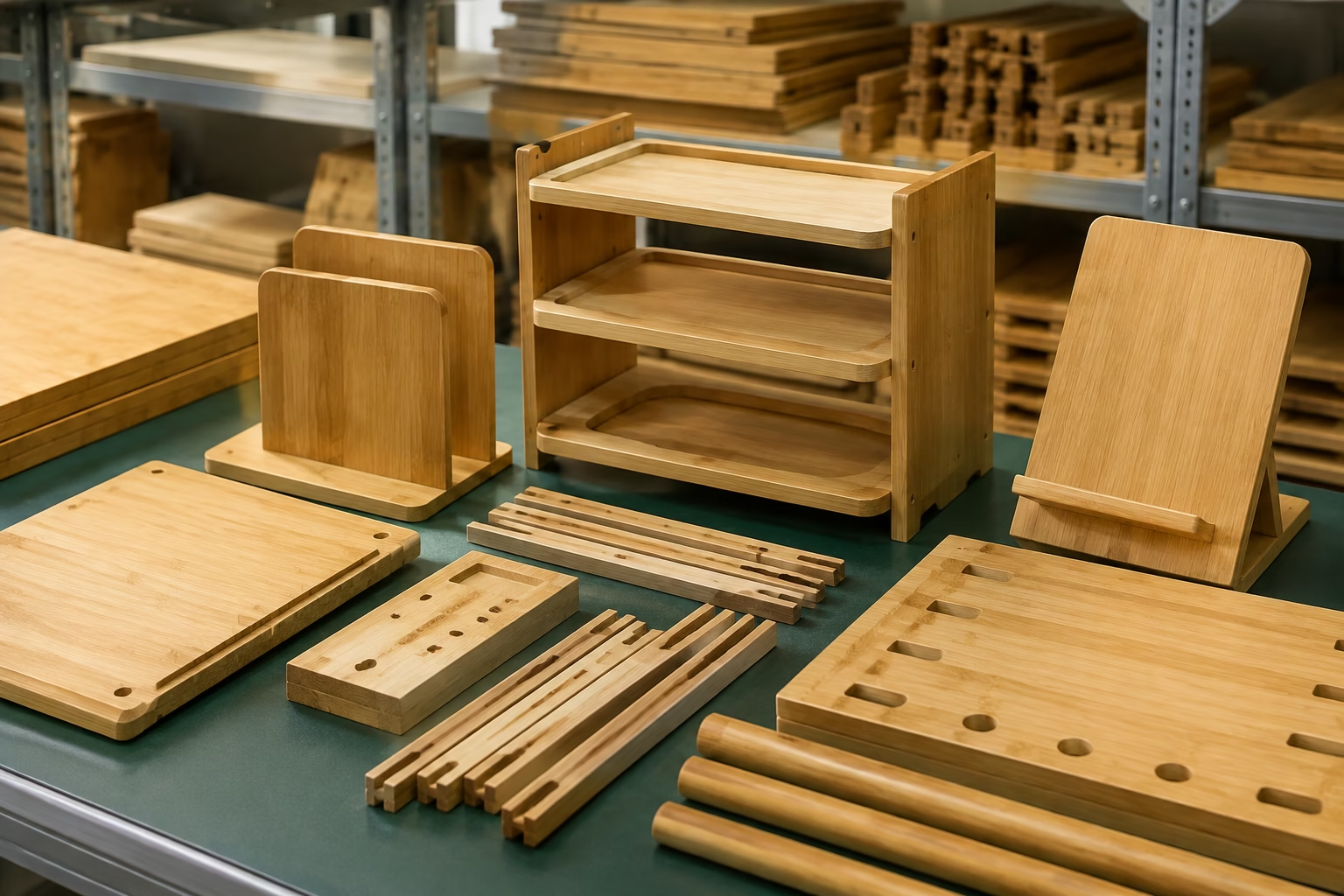
The cutting and forming brief should state whether each component is intended to be bamboo or wood. It should also explain the component's role in the finished item. Material choice, structural layout and intended use are connected decisions; changing one may require a review of the others. For a multi-part product, identify the component count and show which parts form the base, sides, dividers, supports or other structural elements. Where the visible material direction or orientation matters to the product layout, show that requirement clearly rather than relying only on a photograph. The intended use also provides necessary context. A part used as the main body of a board has a different relationship to the finished product than a divider in an organizer or a support in a display stand. We review material, structure and dimensions together so that the component instructions reflect the product concept. Material species, grades or performance properties are not assumed and must be defined for the individual project when relevant.
Different Product Formats Require Different Component Shapes
Component geometry varies across our verified bamboo and wooden product families. A board may use a main outline with defined external dimensions. A tray may combine a base with surrounding components. An organizer can require multiple dividers and outer parts, while a display stand may use supports positioned around the item it is intended to hold. These examples illustrate why one cutting and forming brief cannot be applied to every product type. They do not mean that every proposed shape is automatically feasible. We assess the geometry within the complete material, structure and processing brief.
Boards and Tableware: the Main Outline, Dimensions and Relationship Between Product Features Need to Be Shown.
Trays and Storage Products: Base and Surrounding Components Need a Defined Structural Relationship.
Control Revisions Before Component Requirements Change
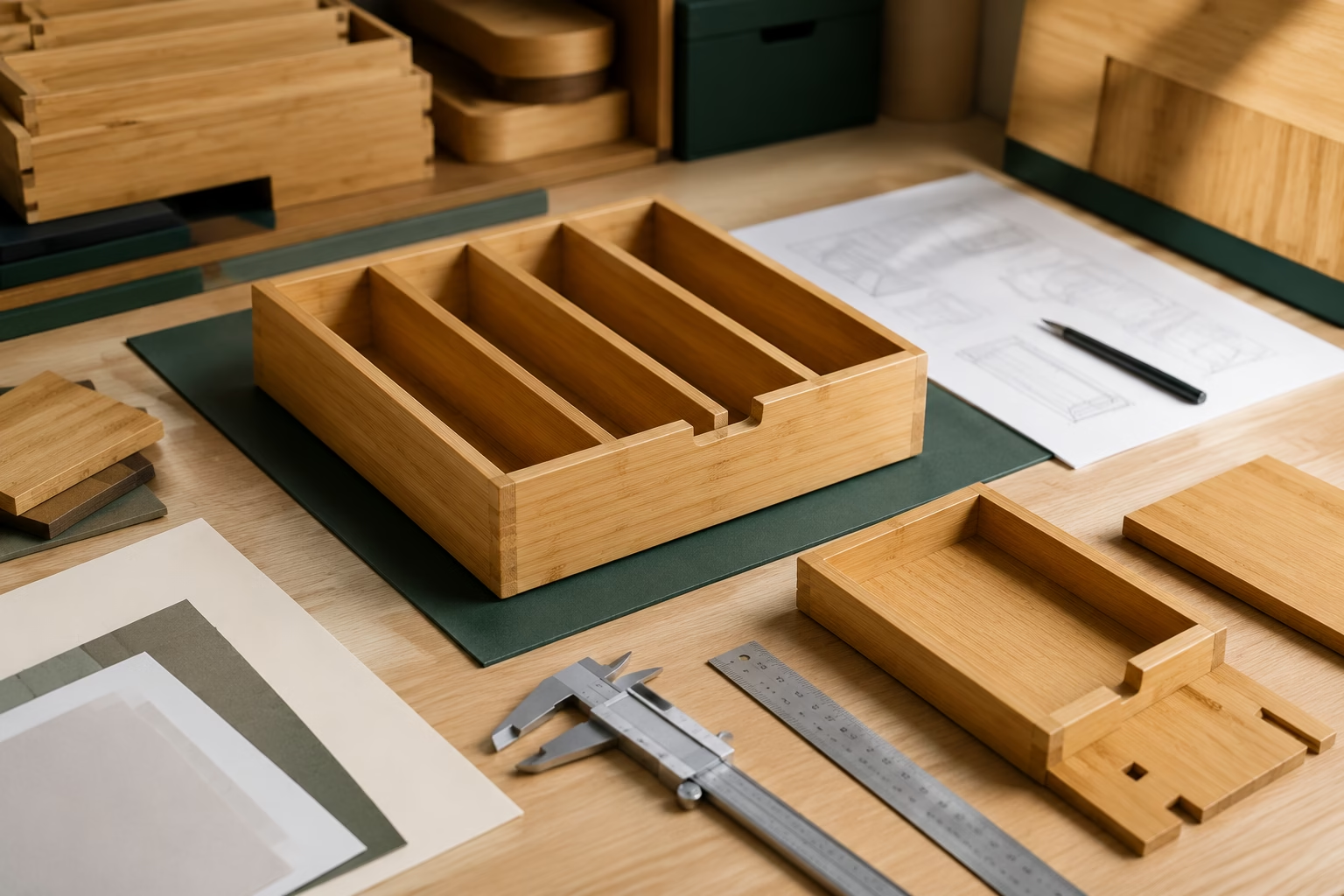
Dimensions and shapes often develop as a concept moves through technical review and sampling. A requested change to one component can also affect adjoining parts, the overall product size or the later production route. Changes therefore need to be reviewed against the complete structure before the component basis is updated. Our product design and development team supports drawing review, structural development, dimensional adjustment, prototyping and sample revisions. When a change is proposed, the revised requirement should identify the affected component and show what has changed. Updated drawings or specifications should use consistent dimensions and revision information so that the current requirement can be distinguished from an earlier version. For example, changing the width of an organizer divider may alter the internal layout, while changing the outline of a stand support may affect its relationship to the displayed item. The review is not limited to the edited dimension. It considers how the revision fits the product as a whole.
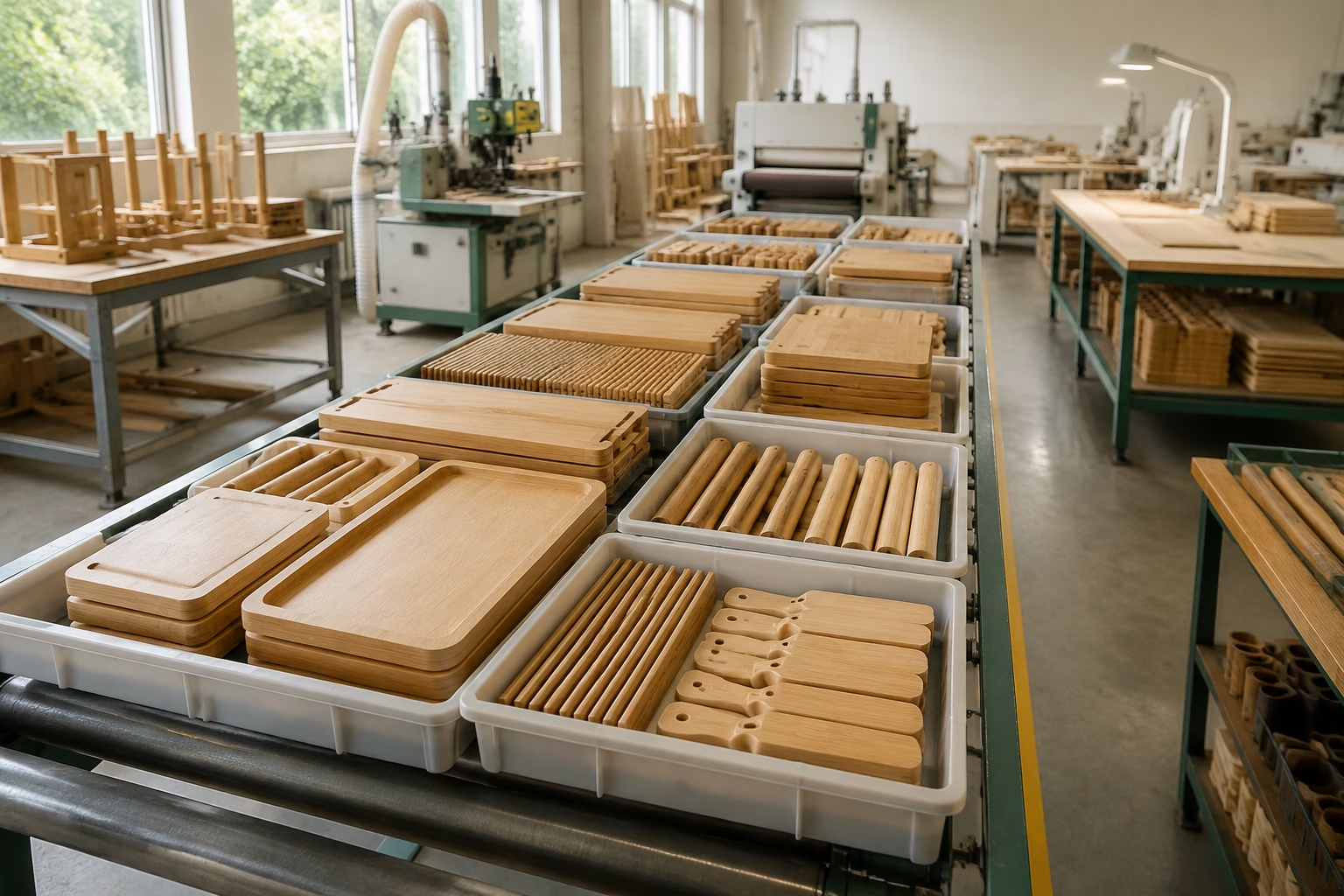
Move Defined Components into the Next Production Stage
Once the cut and formed components match the established production basis, they can proceed according to the product-specific manufacturing route. Not every item follows every process. Possible later stages include panel joining and pressing, CNC machining, sanding, surface finishing, assembly, inspection and packaging. This handoff depends on clear component identification and consistent product information. Later operations need to work from the same dimensions, shapes and structural relationships used to define the parts. If an updated requirement affects the route, it should be reviewed before further processing continues. The manufacturing capabilities overview shows how cutting and forming connect with the wider workflow without treating every product as if it follows one fixed sequence.
Prepare a Component Brief for Technical Review
A useful submission allows us to see both the individual parts and the finished product they are intended to create. Include the following information where it is available: You can upload product specifications , drawings and supporting project notes for an initial review. When requesting a project-specific quotation, also provide the wider product, quantity, material, branding, packaging, testing and delivery requirements that apply to the order.
Identify the Product and Explain Its Intended Use.
State the Bamboo or Wood Material Direction for Each Relevant Component.
Provide a Drawing, Written Specification or Reference Sample.
List the Length, Width and Thickness of Each Component.
Show Outlines, Curves, Openings and Other Shape Details Clearly.
State the Quantity of Each Component Used in One Finished Product.
Show How the Components Meet, Align or Relate to Adjoining Parts.
List Unresolved Dimensional or Structural Questions for Review.
Questions About Cutting and Forming
The required information normally includes the product reference, material direction, dimensions, component outline, quantity per finished product and relationship to adjoining parts. Complex or unusual shapes should be shown in a drawing or supported by a clearly defined reference sample. Yes. We support OEM input through customer drawings, written specifications and reference samples. A physical sample can provide useful structural context, but measurable requirements still need to be confirmed before it becomes a production reference. Identify each component separately and provide its length, width, thickness and complete outline. Mark curves, openings and other shape features with their locations and dimensions. The drawing should also show how the part relates to the finished product. Yes. Our team supports dimensional adjustment, structural development, prototyping and sample revisions. A proposed revision is reviewed against adjoining components and the overall product structure before the production basis is updated. No. Cutting and forming establish the component dimensions and basic shapes covered by this production stage. Detailed CNC machining is a separate capability with its own drawing, feature and feasibility review. The next step depends on the product route. Components may proceed to panel joining and pressing, CNC machining, sanding, surface finishing, assembly, inspection or packaging. The exact sequence is determined by the defined product structure and processing requirements.
What Information Is Required Before Bamboo or Wooden Components Can Be Cut and Formed?
The required information normally includes the product reference, material direction, dimensions, component outline, quantity per finished product and relationship to adjoining parts. Complex or unusual shapes should be shown in a drawing or supported by a clearly defined reference sample.
Can Requirements Be Reviewed from a Drawing, Specification or Reference Sample?
Yes. We support OEM input through customer drawings, written specifications and reference samples. A physical sample can provide useful structural context, but measurable requirements still need to be confirmed before it becomes a production reference.
How Should Dimensions and Shape Details Be Shown for Each Component?
Identify each component separately and provide its length, width, thickness and complete outline. Mark curves, openings and other shape features with their locations and dimensions. The drawing should also show how the part relates to the finished product.
Can Component Dimensions or Structural Details Be Revised Before Production?
Yes. Our team supports dimensional adjustment, structural development, prototyping and sample revisions. A proposed revision is reviewed against adjoining components and the overall product structure before the production basis is updated.
Does Cutting and Forming Include Detailed CNC Machining?
No. Cutting and forming establish the component dimensions and basic shapes covered by this production stage. Detailed CNC machining is a separate capability with its own drawing, feature and feasibility review.
What Happens After Components Are Cut and Formed?
The next step depends on the product route. Components may proceed to panel joining and pressing, CNC machining, sanding, surface finishing, assembly, inspection or packaging. The exact sequence is determined by the defined product structure and processing requirements.

Submit Your Product and Component Information
Send the component drawings, dimensions, material direction and structural notes that define your product. We will review these inputs together with the wider project requirements needed to prepare a project-specific quotation . Review Component Requirements
FAQ
Frequently Asked Questions

Start Your Project
Discuss Your Bamboo or Wood Product Requirements
Share your product concept, drawing, reference sample, target quantity, branding and packaging requirements. The SHENGLIAN team will review feasibility and prepare the next project step.