
Define Bamboo and Wood Surface Finishing Requirements
SHENGLIAN Bamboo & Wood Products supports international B2B buyers developing bamboo and wooden kitchenware, tableware, home organization products, bathroom accessories, office products, homeware and custom gifts. Our design, development, production management and quality teams review surface requirements for OEM, ODM, private-label and customized projects. Precision sanding and surface finishing influence how a product looks, feels and accepts later branding or assembly. Share your concept, drawing or reference sample with its appearance and touch-point requirements so SHENGLIAN can review the finishing direction for development and quotation. Reliable results begin with a clear finish brief, sample review and first-article approval.
Production Workflow
Where Surface Finishing Fits in Product Production
Surface finishing follows product or component forming and machining, before operations such as laser engraving, screen printing, assembly or inspection. The exact sequence depends on the product structure and approved production plan, with contact points and joining areas reviewed before work proceeds.
01
See how material preparation, component production, finishing, assembly, inspection and export preparation relate.
Finish Expectations
Define How the Finished Product Should Look and Feel
A useful surface brief defines the result the buyer needs to approve, not only a process name. Terms such as smooth, natural, consistent or premium require context through a product area, drawing note, image or physical reference.
Visible Appearance
Define broad faces, shaped areas, matching parts, acceptable natural variation and surfaces viewed closely or displayed in retail packaging.
Edges, Corners and Contact Areas
Identify handling and use areas without assigning an unconfirmed surface grade, roughness value or tolerance.
Consistency Between Parts
State which parts should match and which may differ by position or function across sets, collections and multi-component products.
Product Formats
Match the Finish Brief to the Product Format
Each product family creates different surface decisions. SHENGLIAN reviews the product form, intended use, branding area and packaging context during development, subject to the selected material, structure, dimensions, processing requirements and approved specifications.
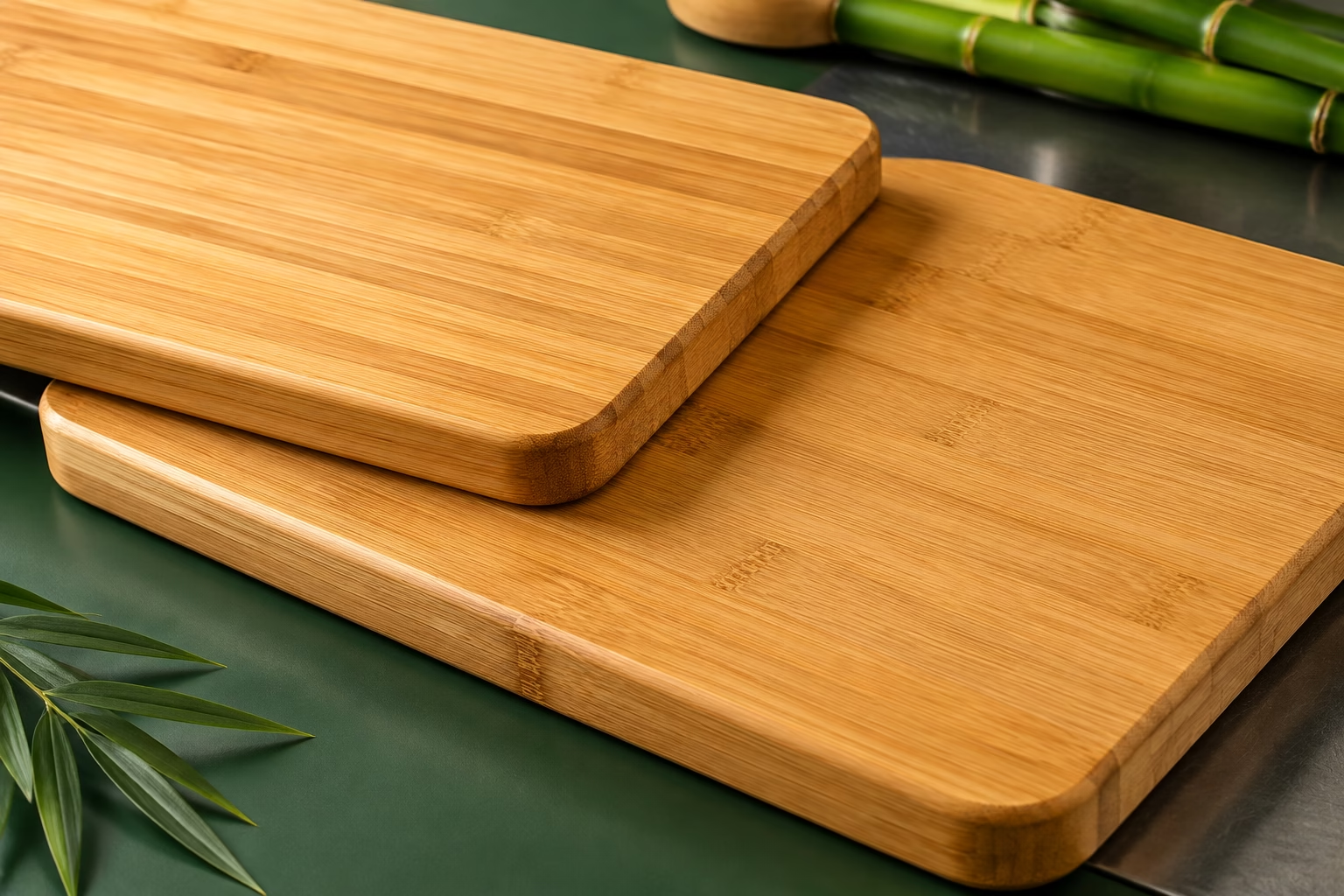
Kitchenware and Serving Products
Review handled faces, work-surface contact and preparation or serving edges, including project-specific food-contact testing requirements.
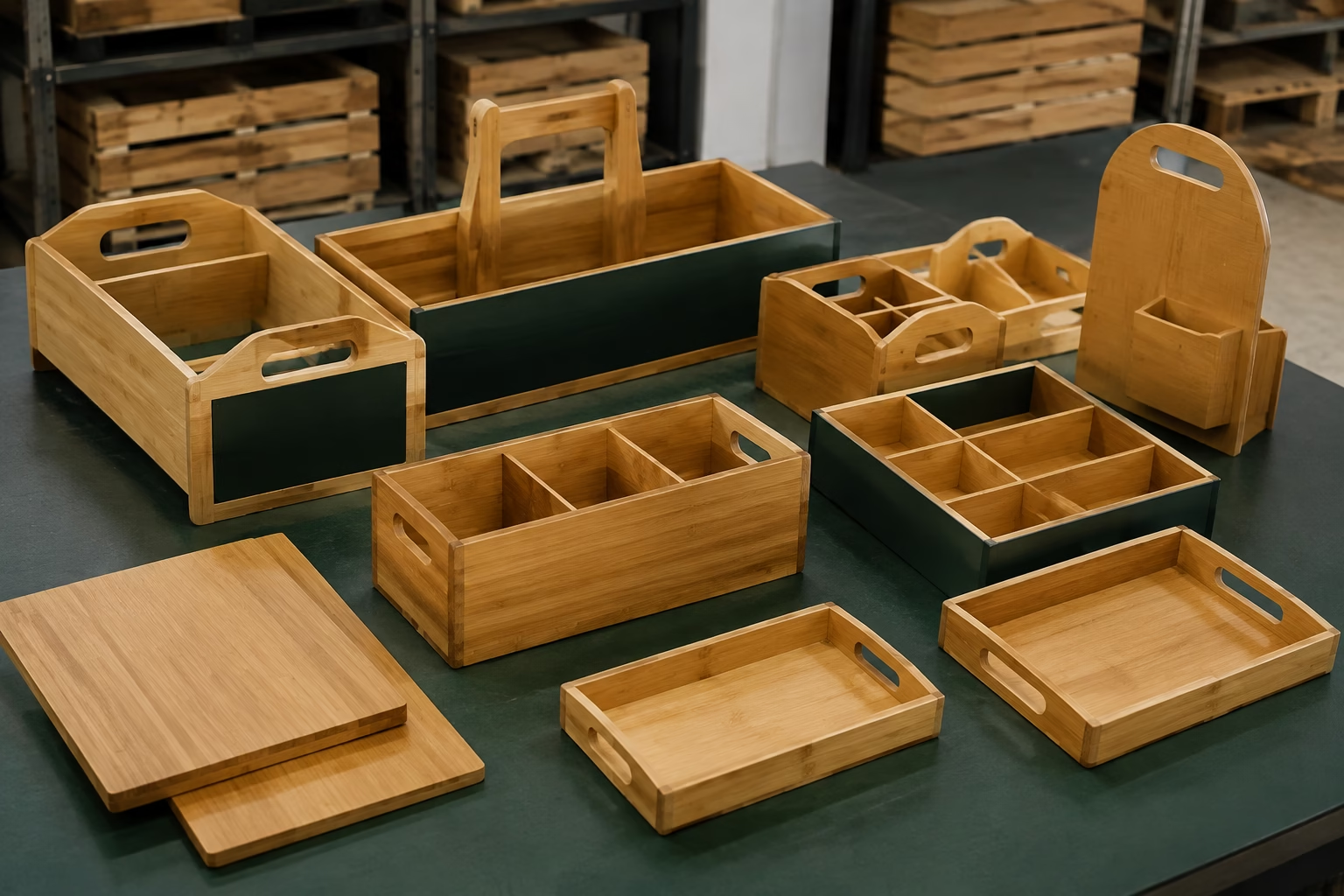
Tableware and Dining Products
Define visible surfaces, touch points, intended use, coordinated design and branding locations, with project-specific testing review.

Identify regularly handled compartments, handles, corners and outer faces, with emphasis on practical use and consistency between parts.

Review displayed and touched surfaces in relation to everyday handling, appearance direction and later assembly.

Office, Homeware and Gifts
Define presentation surfaces, logo or decorative areas, branding readiness and consistency across sets or product programs.
Specification Inputs
Send a Finish Brief Through Drawings or Samples
Communicate surface expectations through a technical drawing, annotated images, written notes or a reference sample. Strong briefs connect the requested result to precise product areas and explain how appearance, branding and intended use relate.

Approval Sequence
Approve the Surface Before Branding and Assembly
Branding and assembly depend on the condition and location of the finished surface. Laser engraving and screen printing require review on the selected area, while components joined later should be assessed within the complete product structure.
01
Review how component machining relates to subsequent sanding and surface finishing decisions.
02
Evaluate laser engraving, screen printing and other source-supported branding decisions for the approved product.
03
Consider finishing requirements alongside component joining and complete product assembly.
Quality Review
Use First-Article Approval to Confirm the Agreed Result
Surface review is effective when visual and touch-point requirements connect to a defined approval record. First-article approval compares the product with agreed drawings, notes, reference samples and branding direction within SHENGLIAN's wider quality-control process.
01
Review the wider inspection route, including first-article, in-process, finished-product and pre-shipment inspection points.
Revision Management
Manage Finish Changes During Custom Product Development
Custom projects may require surface changes after initial review. Adjustments to appearance, branding areas, dimensions, product structure or packaging presentation can affect finishing work and should be recorded with the related sample revision.
SHENGLIAN Can Support Adjustments to Product Material, Structure, Dimensions, Appearance, Functionality, Branding and Packaging According to Approved Customer Specifications or Samples.
Feasibility Depends on the Specific Product and Its Processing Requirements.
A Clear Change Record Helps Design, Production Management and Quality Inspection Teams Assess the Effect Before the Next Approval Stage.
For Product Programs, Confirm Whether One Surface Direction Applies Across Matching Items or Whether Each Format Requires Separate Review.
A Shared Appearance May Support a Coordinated Kitchen, Dining, Bathroom, Office or Gift Range, While Different Structures May Require Separate Sample Decisions.
FAQ
Frequently Asked Questions
Include the product type, intended use, visible surfaces, edges and touch points, appearance direction, acceptable visual variation, branding areas, reference drawings or samples and the required approval sample. Packaging context and any food-contact requirements should also be identified when relevant.
The buyer and manufacturer review the product surface against the drawing, notes or reference sample during development. The agreed result is then used as context for first-article approval before later branding, assembly or inspection steps continue.
Yes. Surface requirements can be communicated through drawings, annotated images, written notes or reference samples. The document should identify which characteristics must be retained and which may be adjusted during development.
No. Cutting boards, serving products, tableware, organizers, bathroom accessories, office products, homeware and gifts have different forms, touch points, branding areas and intended uses. Surface requirements should be defined for the specific product and its commercial application.
The selected surface can affect where and how branding is reviewed, while assembly may change which areas remain visible or accessible. Laser engraving, screen printing and assembly are coordinated with the approved product specification and production workflow.
Can finish requirements be adjusted during sample development?
Yes. Changes to appearance, branding, dimensions, structure, material, functionality or packaging can be reviewed during sample revisions. The requested change should be recorded clearly so its effect on finishing and later production can be assessed.
Project Submission
Submit the Details Needed for a Finishing Review
Send SHENGLIAN the product type, intended use, drawing or reference sample, key contact surfaces, appearance direction, branding method, packaging context and required approval sample. Include destination-market or food-contact requirements when relevant.