
Factory and Facilities for Bamboo and Wood Products
SHENGLIAN Bamboo & Wood Products operates an integrated bamboo and wooden products factory with approximately 12,000 square metres of production and warehousing facilities in China. The site supports kitchenware, tableware, home organization products, bathroom accessories, office products, homeware and branded gifts for international B2B buyers.
A 12,000-Square-Metre Facility Built Around Product Flow
The production and warehousing footprint is organised around the physical movement of materials, components and finished products. Early processes prepare raw materials and form parts. Later areas support machining, sanding, finishing and assembly. Products then move through inspection, packing, finished-product storage and export order preparation. For a buyer, the facility size is one part of the qualification picture. It shows the available physical environment for production and warehousing, but it does not by itself confirm that every product concept, order volume or delivery schedule will fit. Project suitability still depends on the product structure, dimensions, material direction, processing requirements, packaging and intended quantity. Buyers carrying out initial due diligence can use the facility layout to assess several practical questions:
Does the Workflow Cover the Required Production Stages?
Where Are Components Produced and Moved for Further Processing?
How Do Machining, Finishing and Assembly Connect?
At What Points Does Inspection Take Place?
How Are Packed Products Stored and Prepared for Export Orders?
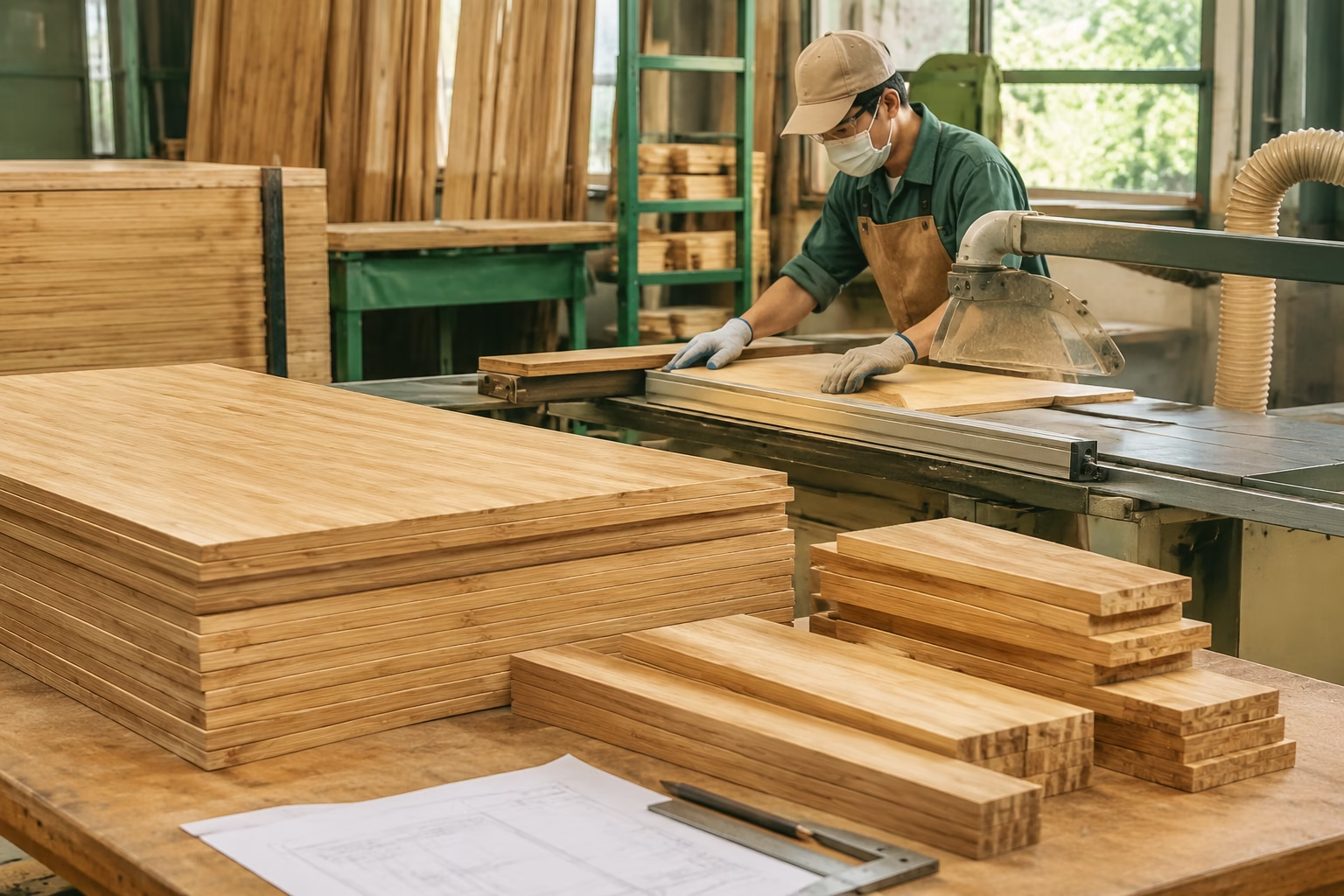
From Raw Material Preparation to Finished Components
The early production flow begins with raw material preparation. Materials then move to processes such as cutting and forming, panel joining and pressing, depending on the product design. These stages convert the material into panels, parts or other components needed for the specified product structure. Cutting and forming are guided by the required component dimensions and shape. Panel joining and pressing support products whose construction calls for joined panel elements. Component production prepares the individual parts needed for later machining, finishing or assembly. The exact route is selected according to the buyer's approved specifications or reference sample. Material species, grades, panel construction and dimensional requirements must be defined for each project. The presence of a process area does not mean that one standard route applies to every bamboo or wooden product. Buyers who need a closer process-level assessment can review our bamboo and wood manufacturing capabilities .
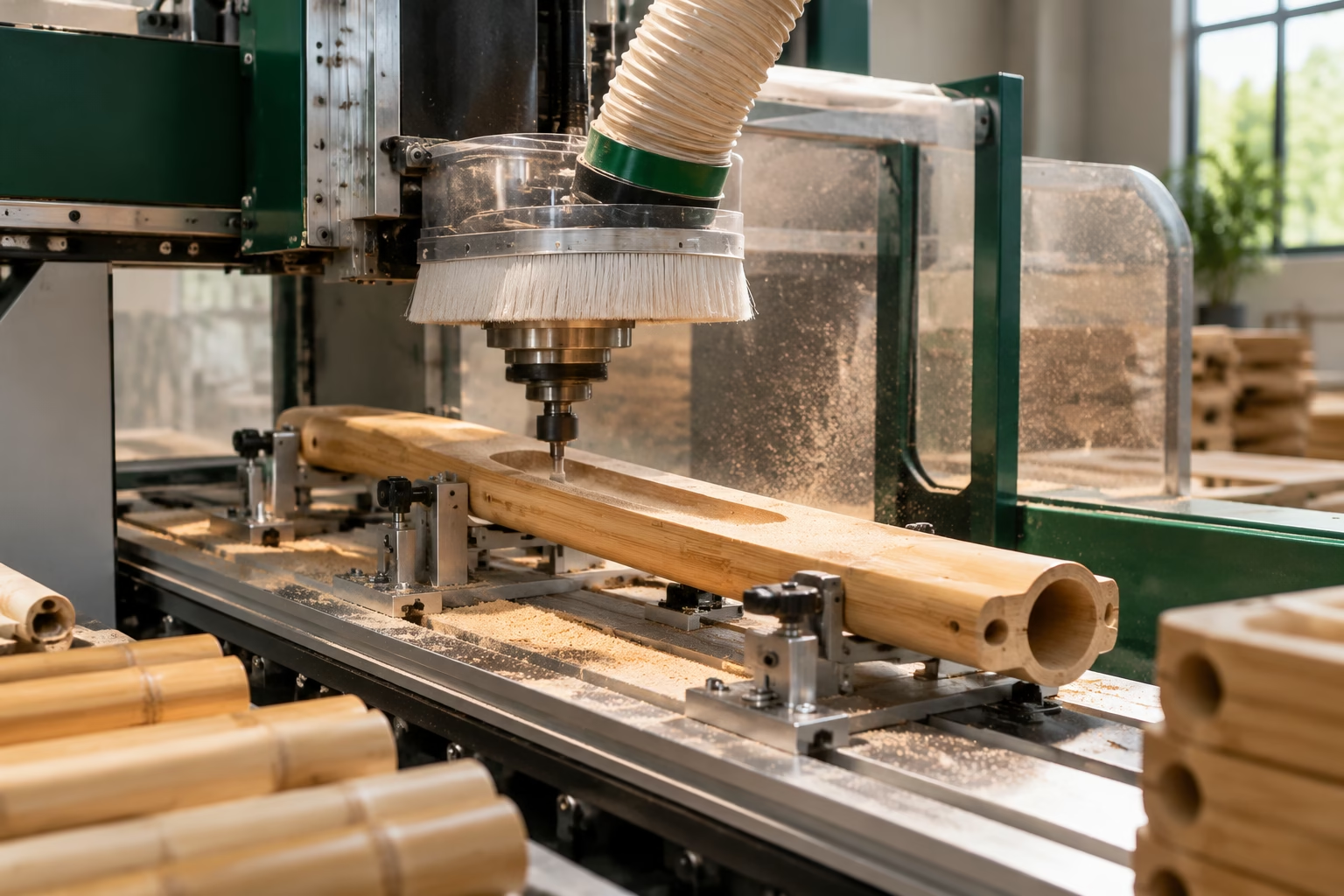
CNC Machining, Precision Sanding and Surface Finishing
After initial forming and component production, selected parts can move through CNC machining. CNC machining uses programmed instructions to shape or process a component based on defined product information. It can support adjustments to product structure, dimensions, appearance and functional details when those requirements are suitable for the material and design. Precision sanding prepares bamboo and wooden surfaces for the required appearance and later production stages. Surface finishing follows the approved product specification and visual direction. Because products vary in form, use and construction, the required machining, sanding and finishing sequence is reviewed for each project rather than applied as a fixed formula. Laser engraving and screen printing are also included in the verified factory process list. These processes may be used for branding or decoration when appropriate for the selected product, surface and artwork. Logo position, size, visual result and processing method need to be confirmed during project review and sample approval.
Assembly Connects Processed Parts to the Finished Product
Products made from several components move to assembly after the relevant parts have been processed and prepared. Assembly connects the component-production stages with final inspection, packing and storage. A clear assembly route depends on an approved product structure and a complete understanding of how the parts are intended to fit and function together. During a facility and feasibility review, buyers should provide enough information to identify the expected assembly needs. Useful inputs include product drawings, overall and component dimensions, a reference sample, intended function and any requirements for separate or joined parts. Products that will be supplied in an assembled or alternative packing format also need clear packaging instructions. Assembly requirements can affect how components are produced, finished, inspected and packed. For this reason, the factory route is assessed as a connected workflow rather than as a list of separate processes.
Inspection Is Positioned Throughout the Production Sequence
Inspection is a defined part of the factory workflow, not only a final activity after production. The verified checkpoints are incoming material inspection, first-article approval, in-process inspection, finished-product inspection and pre-shipment inspection. The inspection scope must reflect the approved product and packaging requirements. Specific testing standards, reports and certifications are not assumed from the factory layout and must be confirmed separately for each applicable project. Buyers seeking broader company evidence can visit the Company and Manufacturing Evidence hub.
Incoming Material Inspection Takes Place Before the Material Enters the Main Production Flow.
First-Article Approval Provides a Checkpoint for Reviewing the Initial Production Result Before Work Continues.
In-Process Inspection Applies During Relevant Manufacturing Stages.
Finished-Product Inspection Reviews Completed Goods Before the Shipment-Preparation Sequence Is Finished.
Pre-Shipment Inspection Is Positioned Before the Order Is Released for Shipment.
Packing, Storage and Export Order Preparation
After inspection, products move to packing and then to finished-product storage. The facility also includes space for export order preparation. Keeping these activities within the overall production and warehousing workflow supports an orderly handoff from completed product to packed order. Standard export packaging and customized retail packaging are available. They serve different purposes. Export packaging focuses on the agreed packing structure for order handling, while retail packaging may include the presentation and information required for sale under the buyer's product programme. Packaging details are confirmed for each project and can include: These requirements should be settled before packing begins because they affect materials, print information, product arrangement and carton preparation. Further operational detail is available on our packaging, warehousing and export preparation page.
Packaging Structure and Product Arrangement
Printed Packaging Elements
Product and Packaging Labels
Barcode Requirements
Inserts and In-Pack Information
Carton Specifications
What Sourcing and Audit Teams Can Review
A factory assessment should connect the physical facility to the proposed product. For SHENGLIAN, the review can follow the actual route from raw material preparation through component production, machining, sanding, finishing, assembly, inspection, packing and storage. The following framework can help procurement and audit teams organise an initial review: This evidence supports an initial qualification decision, but final suitability depends on a technical and commercial review of the complete brief. A buyer should not treat facility footprint alone as confirmation of feasibility, order timing or production availability.
Production Flow: Identify Which Verified Stages Apply to the Proposed Item and How Materials or Components Move Between Them.
Process Separation: Review the Placement of Raw Material Work, Component Production, Surface Finishing, Assembly and Packing Activities.
Inspection Placement: Confirm How Incoming, First-Article, In-Process, Finished-Product and Pre-Shipment Checkpoints Relate to the Proposed Workflow.
Packing Control: Review How Confirmed Retail and Export Packaging Requirements Enter the Production Handoff.
Storage Readiness: Examine the Route from Packed Goods to Finished-Product Storage and Export Order Preparation.
Project Fit: Compare the Factory Processes with the Product's Structure, Dimensions, Appearance, Function, Branding and Packaging Requirements.
Prepare Your Factory Capability Enquiry
A focused enquiry allows us to compare your requirements with the available facility areas and production workflow. Start with the product type and intended use, then provide the information that defines how the item would need to move through the factory. Useful project inputs include drawings or reference samples, target dimensions, material direction, structure, functional requirements, surface appearance, branding artwork, packaging expectations and intended quantity. If some details are still open, identify which points require manufacturing review instead of presenting assumptions as fixed specifications. Defined projects can be sent through our custom product quotation form . We will use the supplied information to assess the relevant production stages and the fit between the proposed product and our verified factory workflow.

Factory and Facility FAQs
Our approximately 12,000-square-metre facility in China includes production and warehousing space for raw material processing, component production, surface finishing, assembly, inspection, packing, finished-product storage and export order preparation. The route depends on the product design. A typical workflow may include raw material preparation, cutting and forming, panel joining and pressing, component production, CNC machining, precision sanding, surface finishing, assembly and inspection. The completed product then moves to packing, finished-product storage and export order preparation. Yes. CNC machining, precision sanding, surface finishing and assembly are verified processes. Their suitability and sequence depend on the material, structure, dimensions, appearance and functional requirements of the proposed product. Inspection occurs at several points. The named checkpoints are incoming material inspection, first-article approval, in-process inspection, finished-product inspection and pre-shipment inspection. The detailed inspection scope is set against the approved requirements for each project. Yes. Laser engraving and screen printing are available for suitable branding applications. Customized retail packaging can include confirmed structures, printing, labels, barcodes, inserts and carton requirements. The product, artwork, packaging files and expected result must be reviewed for each project. Provide the product type, intended use, drawings or reference samples, dimensions, material direction, structure, branding, packaging and intended quantity. These inputs help us identify the required production stages and assess whether the facility workflow fits the project.
What Areas Are Included in Shenglian's Bamboo and Wood Products Factory?
Our approximately 12,000-square-metre facility in China includes production and warehousing space for raw material processing, component production, surface finishing, assembly, inspection, packing, finished-product storage and export order preparation.
How Does a Product Move from Raw Material Preparation to Storage?
The route depends on the product design. A typical workflow may include raw material preparation, cutting and forming, panel joining and pressing, component production, CNC machining, precision sanding, surface finishing, assembly and inspection. The completed product then moves to packing, finished-product storage and export order preparation.
Does the Facility Support CNC Machining, Sanding, Surface Finishing and Assembly?
Yes. CNC machining, precision sanding, surface finishing and assembly are verified processes. Their suitability and sequence depend on the material, structure, dimensions, appearance and functional requirements of the proposed product.
Where Do Inspection and Pre-Shipment Checks Fit into Production?
Inspection occurs at several points. The named checkpoints are incoming material inspection, first-article approval, in-process inspection, finished-product inspection and pre-shipment inspection. The detailed inspection scope is set against the approved requirements for each project.
Can the Factory Support Custom Branding and Retail Packaging?
Yes. Laser engraving and screen printing are available for suitable branding applications. Customized retail packaging can include confirmed structures, printing, labels, barcodes, inserts and carton requirements. The product, artwork, packaging files and expected result must be reviewed for each project.
What Should I Provide When Asking About Factory Capabilities?
Provide the product type, intended use, drawings or reference samples, dimensions, material direction, structure, branding, packaging and intended quantity. These inputs help us identify the required production stages and assess whether the facility workflow fits the project.
FAQ
Frequently Asked Questions
SHENGLIAN’s approximately 12,000-square-metre facility in China includes production and warehousing space for raw material processing, component production, surface finishing, assembly, inspection, packing, finished-product storage and export order preparation.
The route depends on the product design. A typical workflow may include raw material preparation, cutting and forming, panel joining and pressing, component production, CNC machining, precision sanding, surface finishing, assembly and inspection. Completed products then move to packing, finished-product storage and export order preparation.
Yes. CNC machining, precision sanding, surface finishing and assembly are verified processes. Their suitability and sequence depend on the proposed product’s material, structure, dimensions, appearance and functional requirements.
Inspection occurs at several points. The named checkpoints are incoming material inspection, first-article approval, in-process inspection, finished-product inspection and pre-shipment inspection. The detailed inspection scope is set against the approved requirements for each project.
Yes. Laser engraving and screen printing are available for suitable branding applications. Customized retail packaging can include confirmed structures, printing, labels, barcodes, inserts and carton requirements. The product, artwork, packaging files and expected result must be reviewed for each project.
Provide the product type, intended use, drawings or reference samples, dimensions, material direction, structure, branding, packaging and intended quantity. These inputs help identify the required production stages and assess whether the facility workflow fits the project.
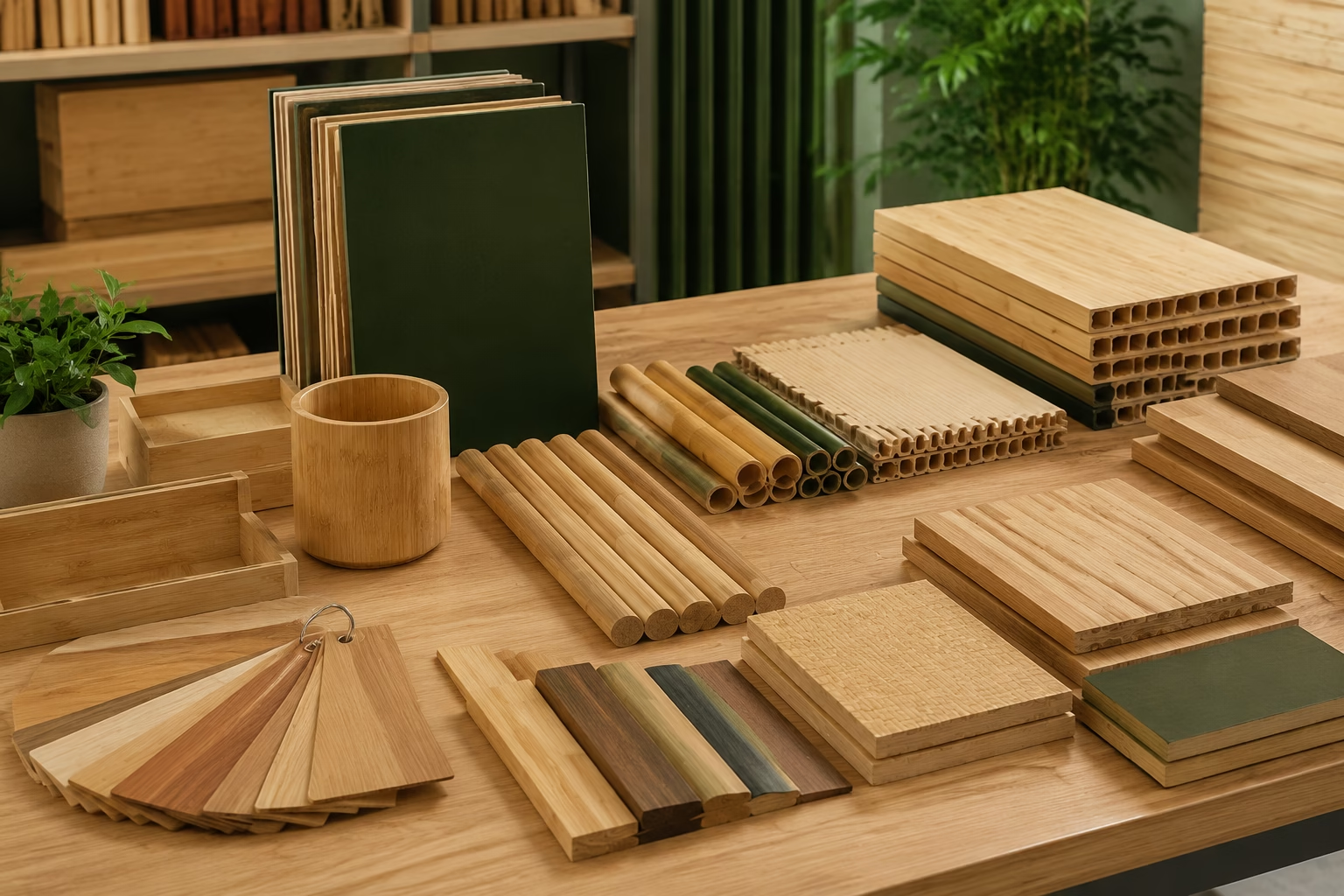
Discuss Your Product and Facility Requirements
Send your defined product information so we can review which factory processes, inspection stages, packing activities and storage arrangements are relevant to the proposed order. Ask About Factory Capabilities