
Custom Bamboo and Wooden Plates for Private-Label Tableware
SHENGLIAN Bamboo & Wood Products develops and manufactures custom bamboo and wooden plates for tableware brands, importers, distributors and private-label retail programs. Our China-based production and warehousing facilities support product development, manufacturing, quality management, finishing, inspection, packing and export order preparation. Send your concept, drawing or reference sample for review.
Choose the Plate Format Around Its Commercial Role
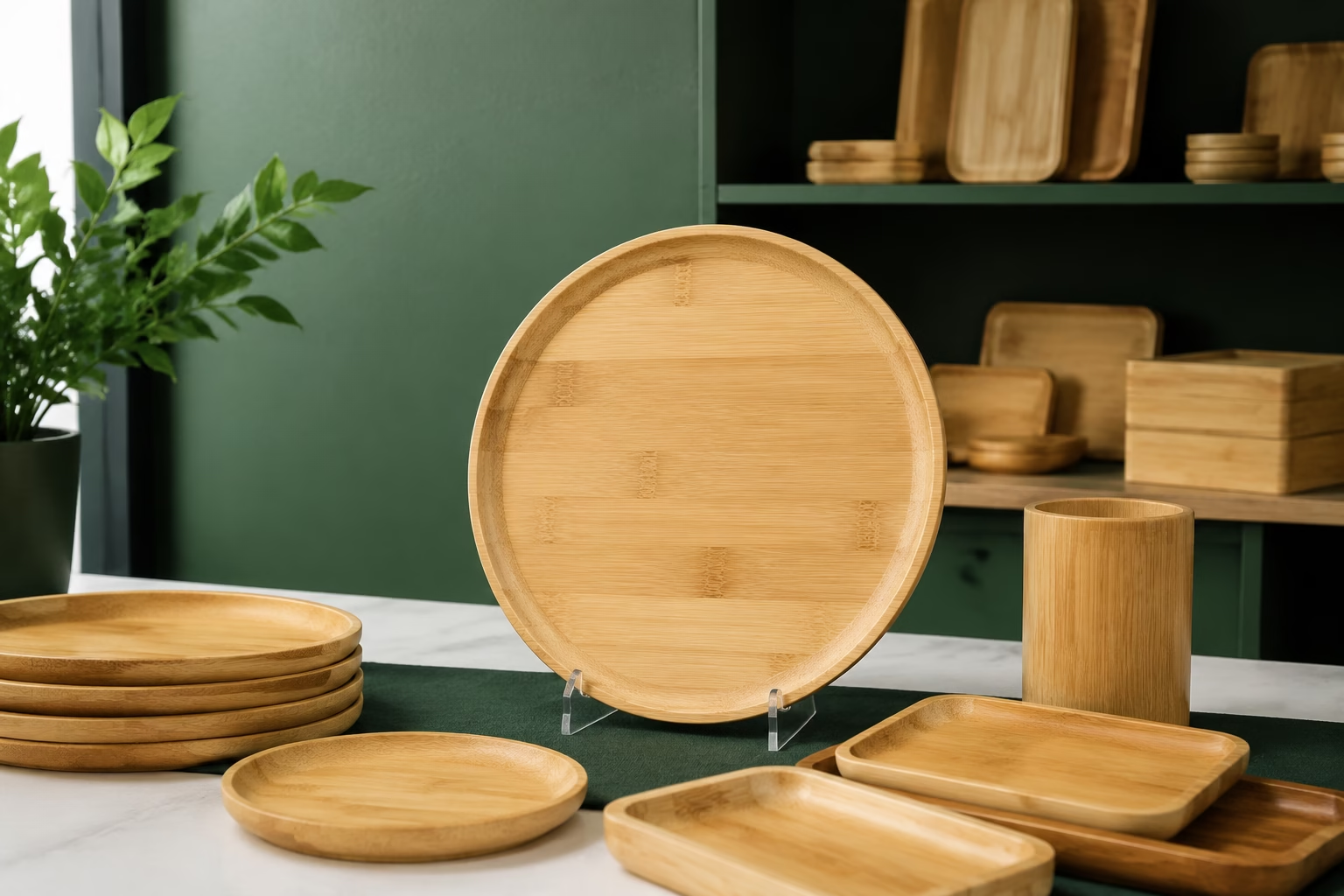
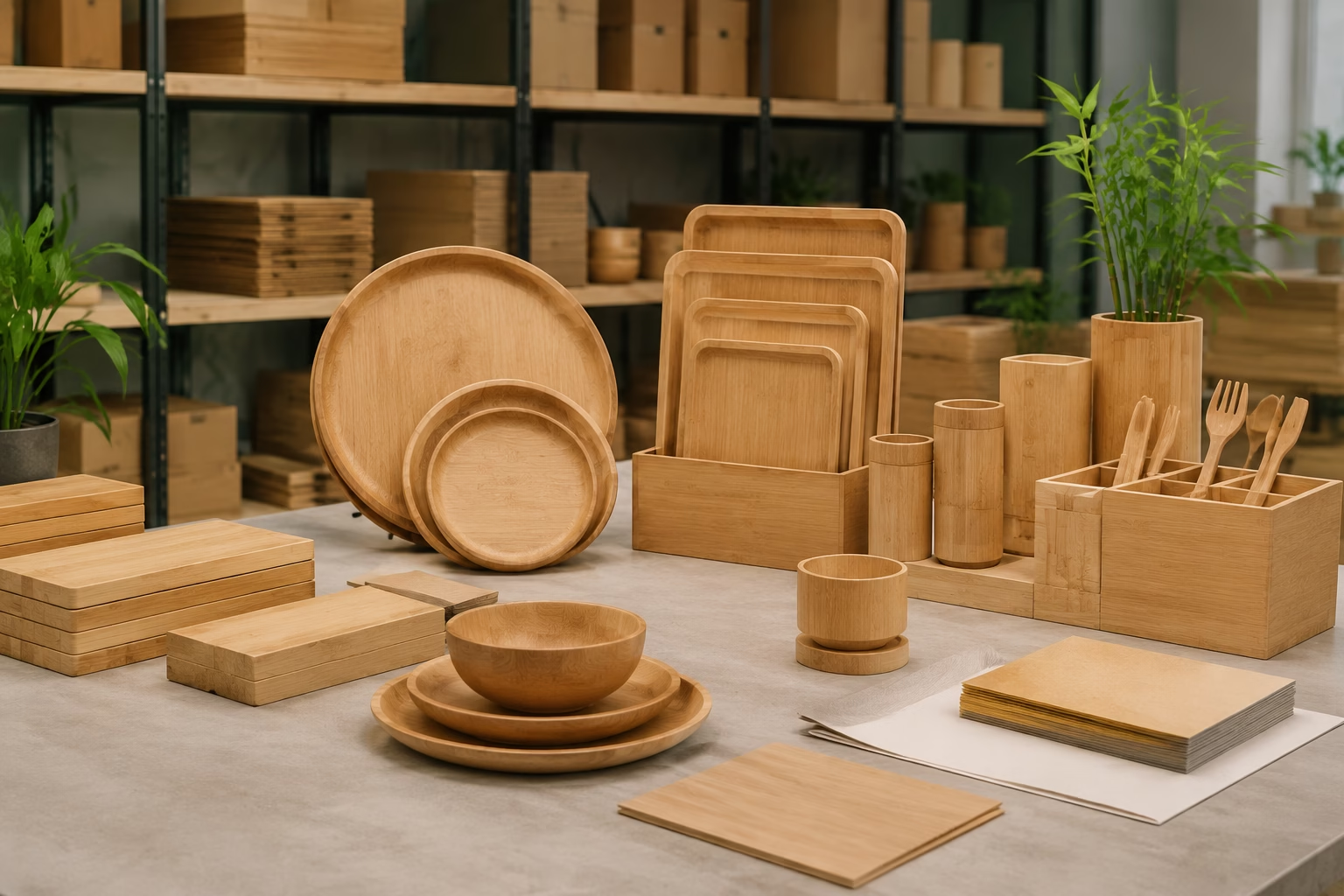
A plate specification starts with the intended dining use and its place in the product range. A single retail item, a coordinated group of plates and a private-label tabletop program can require different dimensions, visual controls and packaging arrangements. Define how the plate will be sold before fixing technical details. The sales format affects unit presentation, packing quantities, label requirements and the way samples are reviewed. If the plate belongs to a wider collection, identify the design features that must remain consistent across the range, such as material direction, profile, edge appearance, finish and branding position. Buyers comparing plates with other dining product categories can review our bamboo and wooden tableware range .
Intended Use: State the Food-Contact Application and Normal Dining Context.
Collection Role: Identify Whether the Plate Is an Individual Item or Part of a Coordinated Range.
Sales Format: Confirm Whether It Will Be Sold Separately or in a Defined Plate Grouping.
Target Buyer: Explain Whether the Product Is Planned for Retail, Distribution, Hospitality Supply or Another Defined B2B Channel.
Select Bamboo or Wood for the Plate Brief
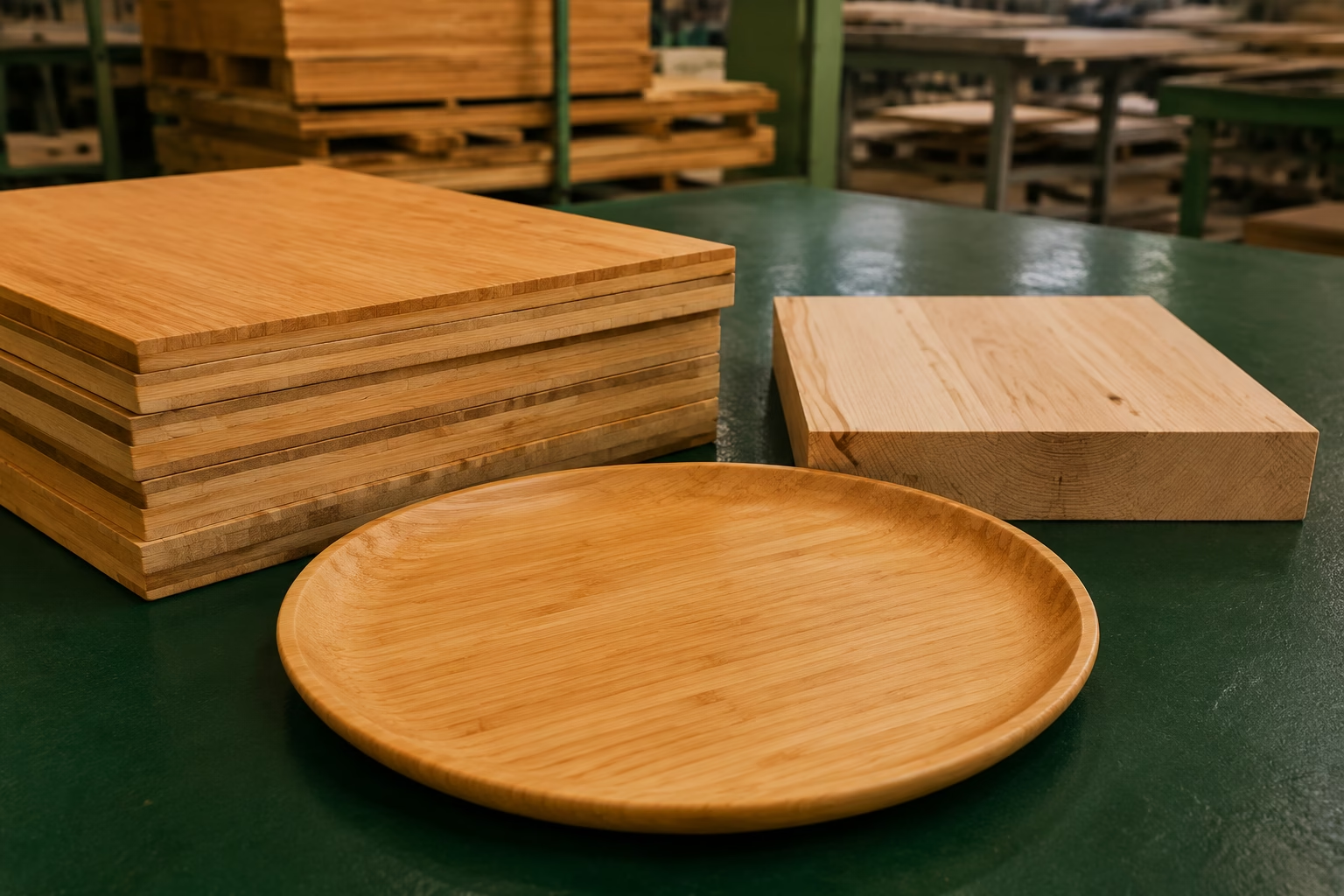
The material direction influences appearance, structure, processing and the relationship between the plate and the rest of a tableware collection. Specify whether the project should use bamboo or wood, then provide a reference image or physical sample if a particular visual character is important. Material selection should not be treated as an isolated choice. We review it together with the plate profile, dimensions, thickness, surface expectations, intended use and testing brief. A material that supports one shape or appearance may require further review when the geometry or finish changes. Our material preparation, panel joining and pressing, cutting, forming and CNC machining processes provide manufacturing context for this review. The final direction is established through project specifications and sample approval rather than assumed from a general material description. For a broader comparison framework, see choosing bamboo or wood for a product .
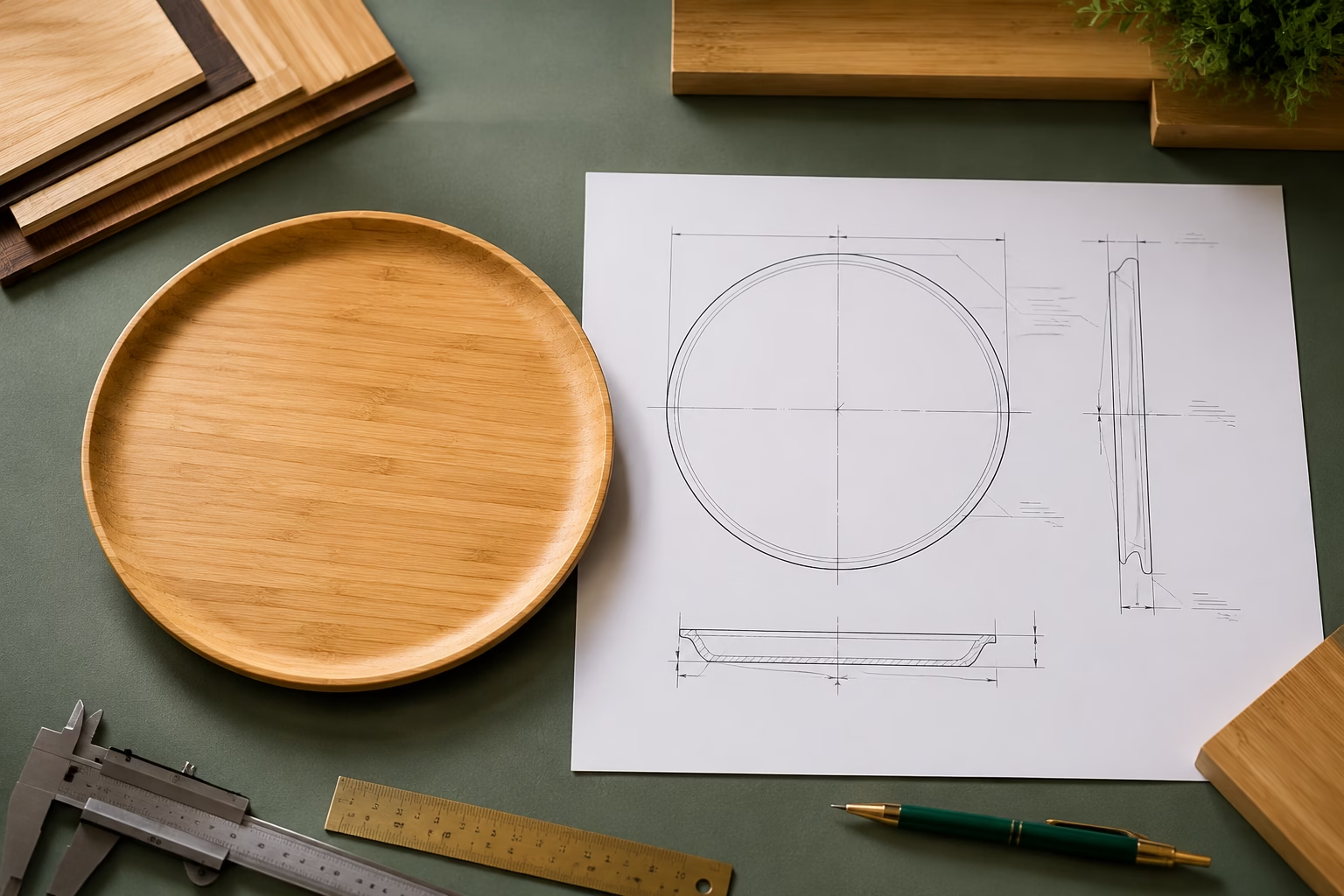
Define Plate Shape, Dimensions and Edge Details
Accurate dimensions allow us to assess feasibility, prepare a relevant sample and quote the correct product and packaging scope. A round plate normally needs an overall diameter, while another shape may require length, width and key reference points. A drawing is especially useful when the design includes a defined profile, raised or recessed areas, or non-standard edge geometry. We can review adjustments to material, structure, dimensions, appearance and functionality against customer specifications or samples. Buyers with a completed drawing or defined reference product can use our OEM manufacturing service . A plate concept that still requires structural and dimensional development may be better suited to ODM product development .
Approve the Surface and Visual Standard on a Sample
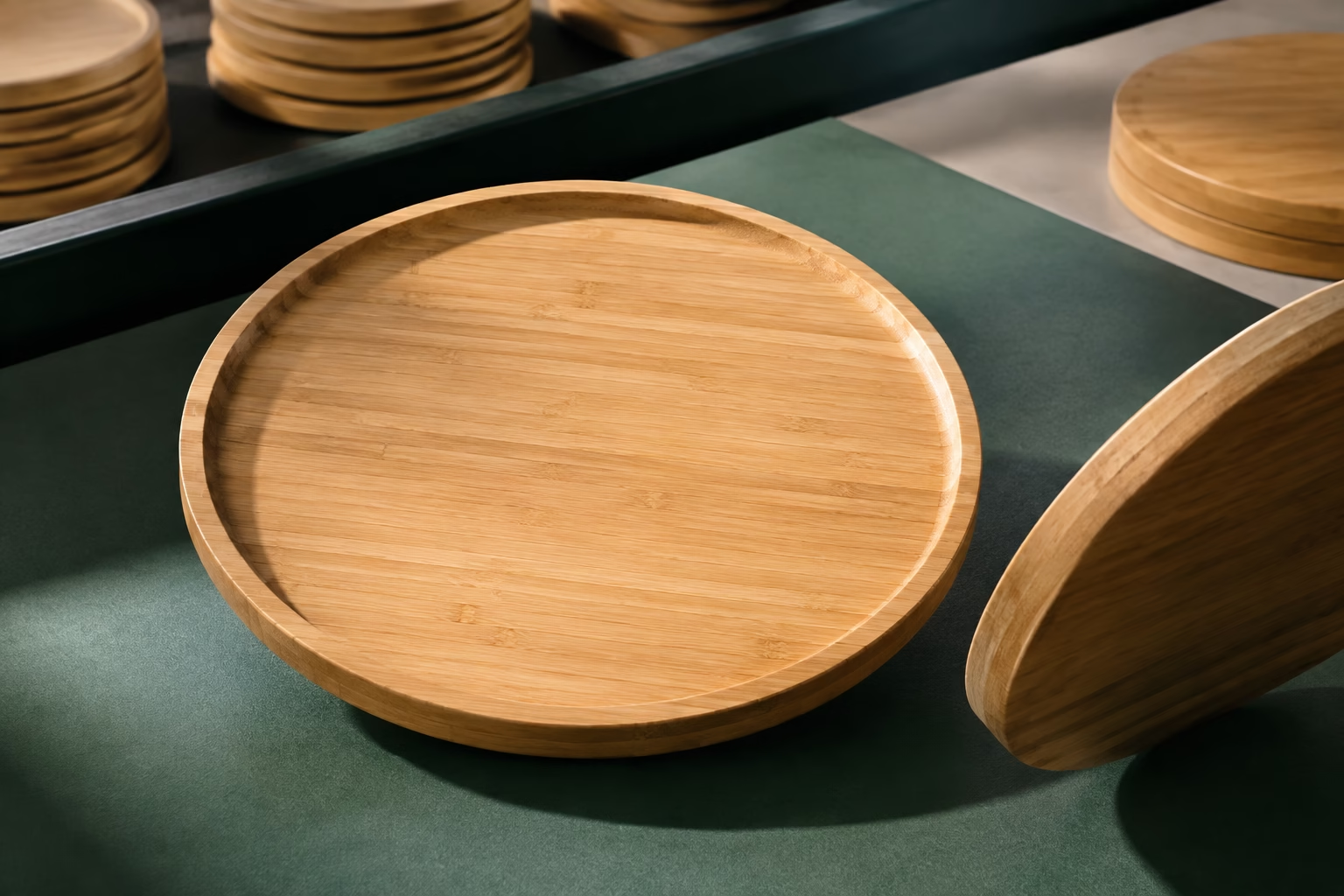
Surface appearance is a key approval point for bamboo dining plates and wooden plate programs. Describe the expected visual direction, sanding standard and finish appearance in terms that can be checked on the physical sample. Reference images can communicate the intended look, but the sample provides the practical basis for production approval. Verified processes for plate projects include precision sanding and surface finishing. Because finish requirements depend on the selected material, product structure and intended use, we do not assume a coating or performance specification. These details must be reviewed for the individual project. During sample assessment, examine the main face, underside, perimeter and any machined details under suitable lighting. Record the accepted appearance and any agreed changes before bulk production. This gives production and inspection teams a clearer visual reference and reduces the risk of different interpretations later in the order.
Specify Private-Label Branding on the Plate
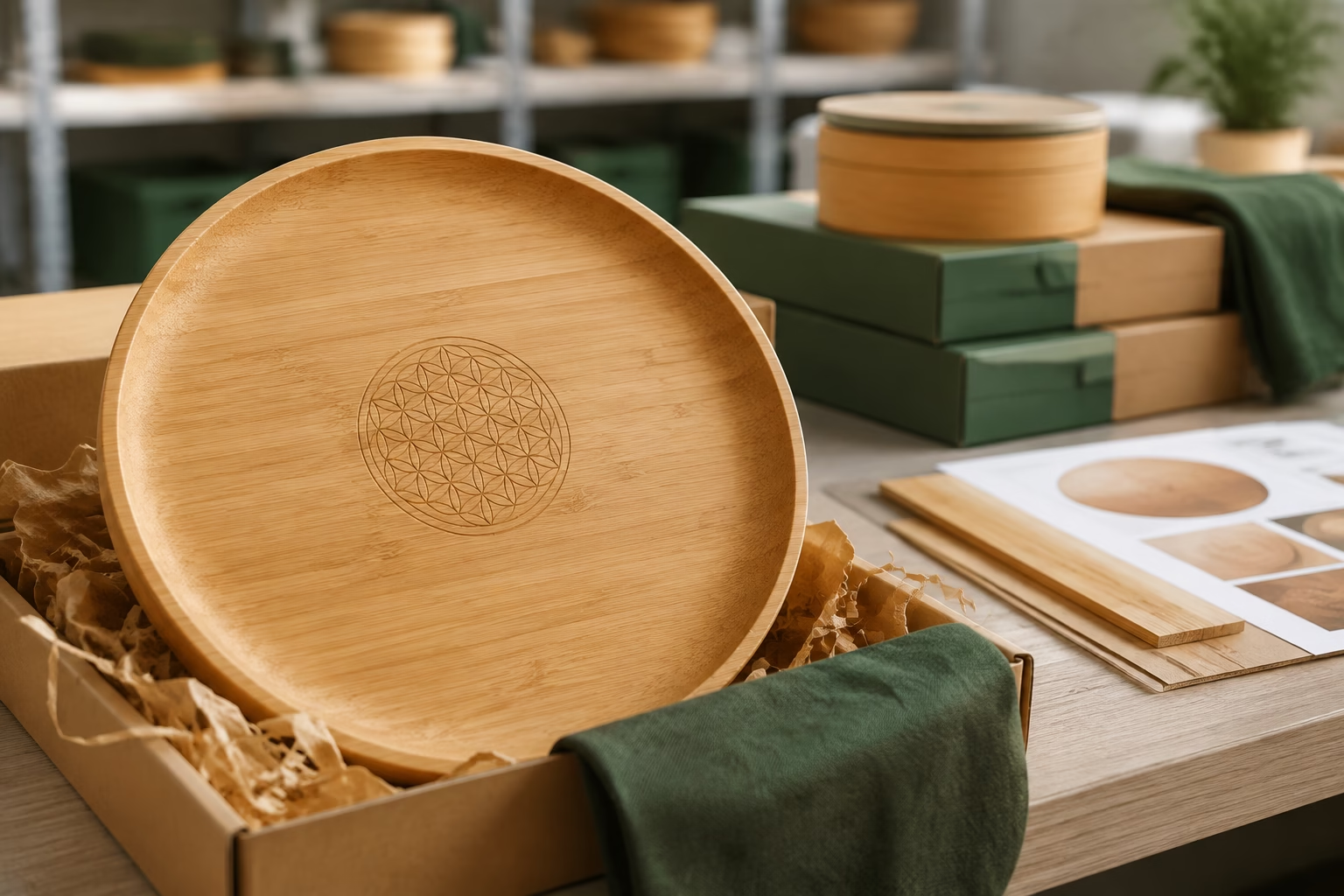
Branding must work with the selected material, plate surface and intended visual result. Provide the logo artwork, target dimensions, placement and preferred decoration method. If placement is tied to the plate orientation or retail display position, show that relationship on a marked drawing. We offer laser engraving and screen printing as verified decoration processes. The suitable method and result depend on the artwork, material, surface and plate design. Fine details, graphic coverage and the visual contrast you expect should be reviewed during artwork and sample assessment. Approve the decoration on the selected plate material and finish before bulk production. For a detailed comparison of process considerations and artwork inputs, visit our custom branding and decoration service .
Prepare Retail Presentation and Export Packing Details
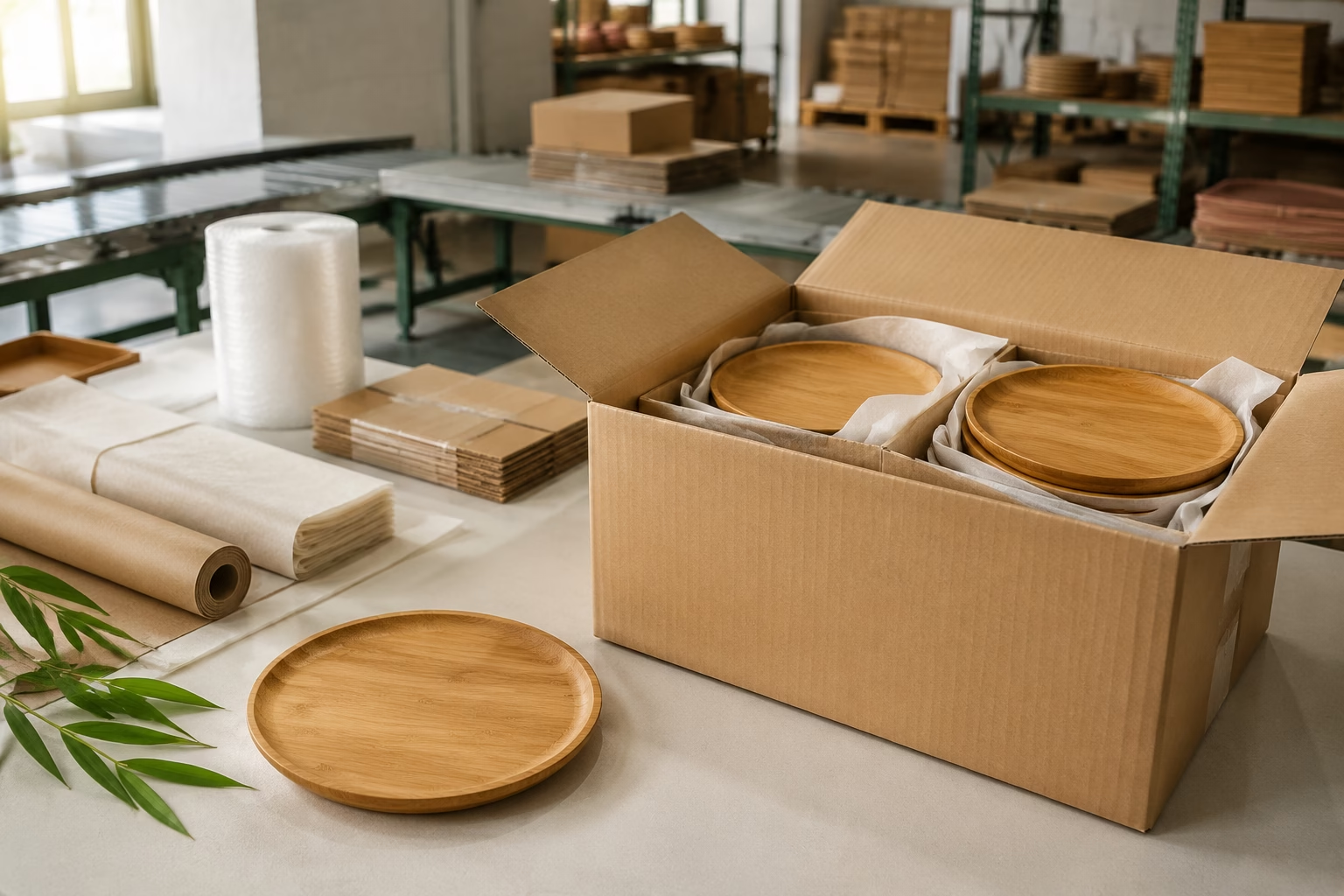
Packaging protects the plates and presents the product in its intended sales format. Standard export packaging and customized retail packaging are available, but the final structure is confirmed for each project. The correct approach depends on plate dimensions, order quantity, retail presentation and destination requirements. Your packaging brief may include individual protection, unit or group presentation, printed packaging, labels, barcodes, inserts and carton requirements. Supply artwork and barcode data in the required file format, and identify any information that must appear in a specific position. Packaging can affect product arrangement, carton configuration, quotation and production planning. It should be developed alongside the plate specification rather than added after the product sample is approved. Delivery arrangements are confirmed separately according to the destination, order volume, packaging specifications and agreed commercial terms.
Move from Plate Sample to Production Planning
A complete request allows us to review manufacturing feasibility and prepare a project-specific quotation. Include the plate drawing or reference, bamboo or wood direction, dimensions, shape, profile, surface expectations, testing requirements, branding files, packaging details, order quantity and destination. The minimum order quantity is 1,000 units. Standard sample development takes approximately 10–15 working days, depending on product structure, processing requirements and the number of revisions. Bulk production normally takes 30–45 days after the sample and order details are approved. The actual schedule remains subject to product complexity, quantity, packaging and the production plan. Pricing is based on confirmed product specifications, quantity, packaging, testing and delivery requirements. Payment terms, Incoterms and shipping arrangements are confirmed in the project quotation or sales contract. These conditions should be reviewed together because a change to the plate, decoration or packaging can affect the wider order plan.
Send Your Plate Requirements for Review
Submit your plate specifications when you need feedback on material direction, dimensions, structure, finish, decoration, testing or packaging. We will use the supplied details to assess the project and identify the information needed for a project-specific quotation. Request Plate Manufacturing Advice
FAQ
Frequently Asked Questions
Provide a drawing, reference sample or clear product images; the required material; all key dimensions; shape and profile details; surface expectations; branding artwork; packaging requirements; quantity; testing needs; and destination. Identify any measurements or visual features that are critical to the product brief.
Yes. Our capabilities support adjustments to product material, structure, dimensions, appearance and functionality according to customer specifications or samples. We review the requested combination for manufacturing feasibility before sampling and quotation confirmation.
Relevant verified processes include precision sanding, surface finishing, laser engraving and screen printing. The finish and branding result must be reviewed for the selected material, surface and artwork, then confirmed on the project sample before bulk production.
Material and finished-product testing can be arranged according to customer and destination-market requirements. Specific standards, laboratories, reports and certifications are confirmed for each project and are not assumed to apply universally.
Our quality-control process includes incoming material inspection, first-article approval, in-process inspection, finished-product inspection and pre-shipment inspection. The agreed specification and approved sample guide the project-level checks.
The minimum order quantity is 1,000 units. Standard sample development is approximately 10–15 working days. Bulk production is normally 30–45 days after sample and order-detail approval, subject to product complexity, quantity, packaging and the production schedule.
Plan Food-Contact Testing and Quality Checks
For bamboo and wooden plates intended for food contact, material and finished-product testing can be arranged according to customer requirements and the destination market. Applicable standards, laboratories, reports and certifications must be confirmed for each project. Testing should therefore be included in the initial brief rather than assumed from the product category. Provide the destination market, intended use and any testing documents supplied by your compliance team or retail customer. We can then review how the requested testing relates to material selection, finish requirements, sampling and order planning. The food-contact testing requirements guide gives buyers a structured starting point for this discussion. Our quality-control framework covers: Project specifications and the approved sample provide the practical reference for these checks. Testing and inspection serve different purposes: testing addresses defined technical or market requirements, while inspection checks the product against the agreed order details.