
Custom Bamboo and Wooden Storage Racks
SHENGLIAN Bamboo & Wood Products supplies custom bamboo and wooden storage racks for household product companies, retailers, importers, distributors and private-label businesses. We develop each concept around the items being stored, available space, structure, finish, branding and packaging requirements. Our team supports design review, sample development, production, inspection and export preparation. Because rack performance depends on its levels, supports, access direction and packed format, buyers should provide the intended use, target dimensions, structural concept or reference sample for feasibility review and a project-specific quotation.
Match the Rack Format to the Household Use
Start by identifying what the rack will hold and where users will place it. SHENGLIAN can develop bamboo and wooden home organization racks in directions such as freestanding, countertop and compact household formats. These are project paths rather than fixed models, so the final structure should follow the stored items, available space and desired user access. Describe the use in practical terms. A rack for kitchen accessories may need different spacing and access from one intended for bathroom items, desktop supplies or general household storage. State whether users will load the rack from the front, top or side, and explain whether the product will remain in one position or be moved during normal use. Keeping the brief focused on open rack structures helps separate this product from contained storage boxes and fitted drawer organizers. If your project includes several home organization formats, you can review the wider bamboo and wooden home organization range .
Freestanding Racks: Define the Placement Area, Footprint and Access Direction.
Countertop Racks: Provide the Available Surface Space and the Height Limits Near the Rack.
Compact Racks: Identify the Exact Items to Be Stored and the Clearance Needed for Access.
Describe the Intended Load and Stability Requirement
Buyers do not need to begin with an existing rack rating. Instead, describe the load purpose in enough detail for a technical review. List the type of items, approximate quantity, position on each level and approximate combined weight that the finished rack is expected to support. These figures remain project requirements until the structure, sample and approval details have been reviewed. Also note the loading pattern. Items placed near the centre create a different design brief from items placed close to an edge. Tell us whether the rack will usually be evenly loaded, used with one level heavier than another, or accessed while other items remain in place. The placement surface, expected movement and any concern about tipping or shifting should be included. We do not assign a universal load limit to every rack design. The intended use, dimensions, component layout and connection details must be considered together. Sample review and production inspection can then be linked to the approved product requirements.
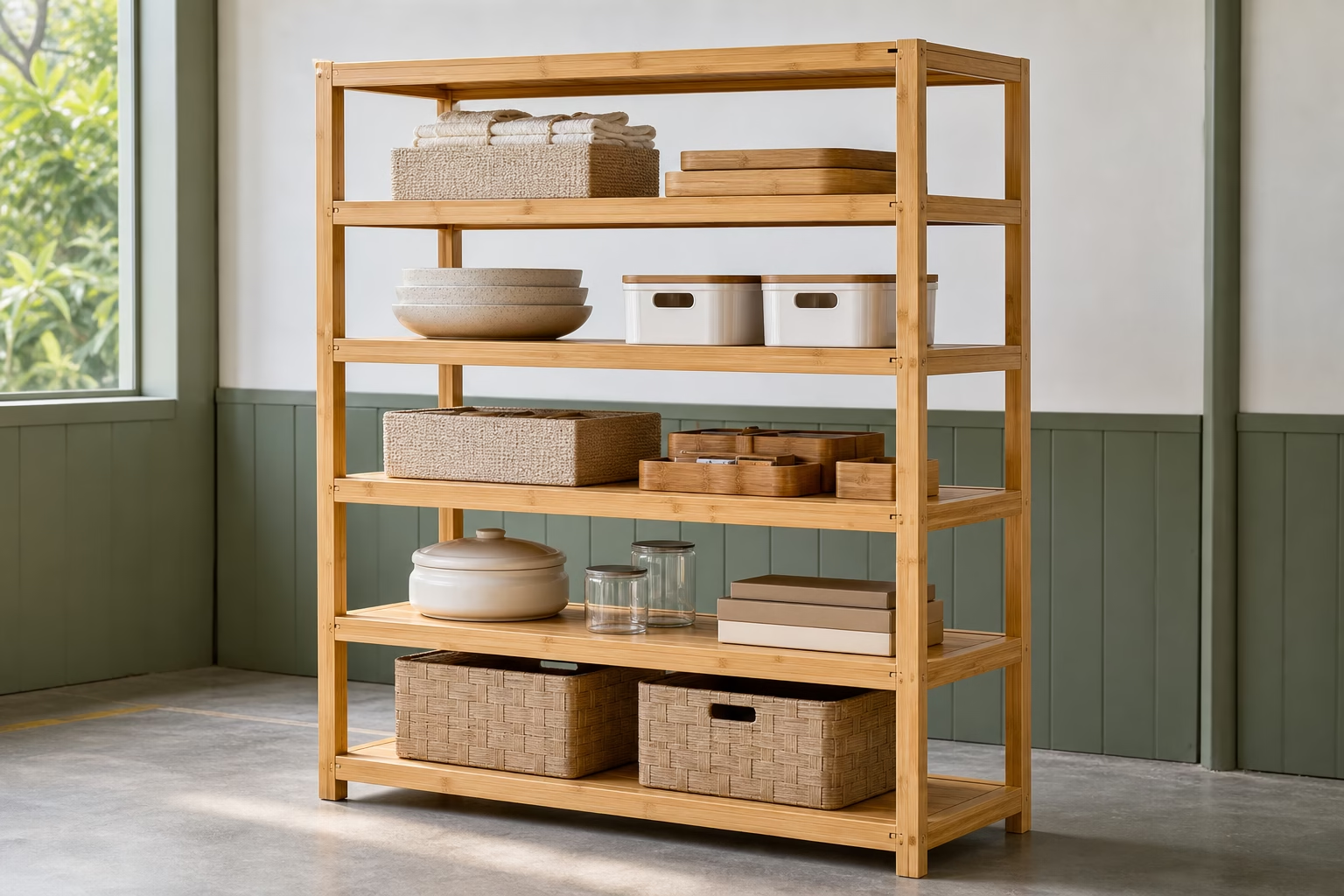
Set External Dimensions and Usable Storage Space
External dimensions describe the space occupied by the rack. Usable dimensions describe the area available for the stored items. Both are needed. Provide the target overall width, depth and height, together with the usable shelf or support area, clearance between levels and dimensions of the products that will be placed inside the open structure. Include the surrounding space when it affects placement or access. A rack may fit within a stated cabinet, countertop or floor area but still be difficult to use if there is not enough room to reach the stored items. Distinguish these external limits from usable storage dimensions in the drawing or specification sheet.
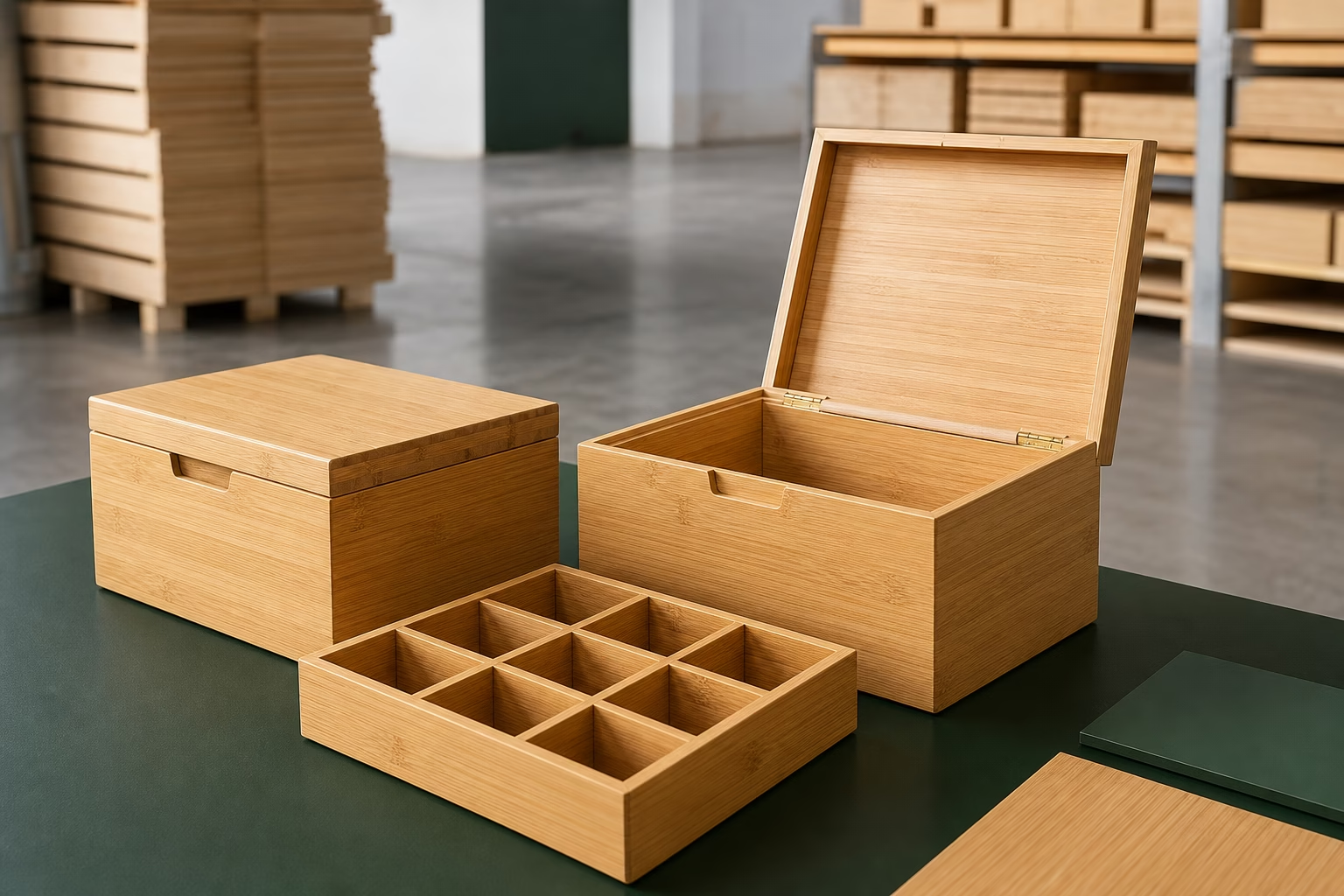
Choose the Rack Structure and Component Layout
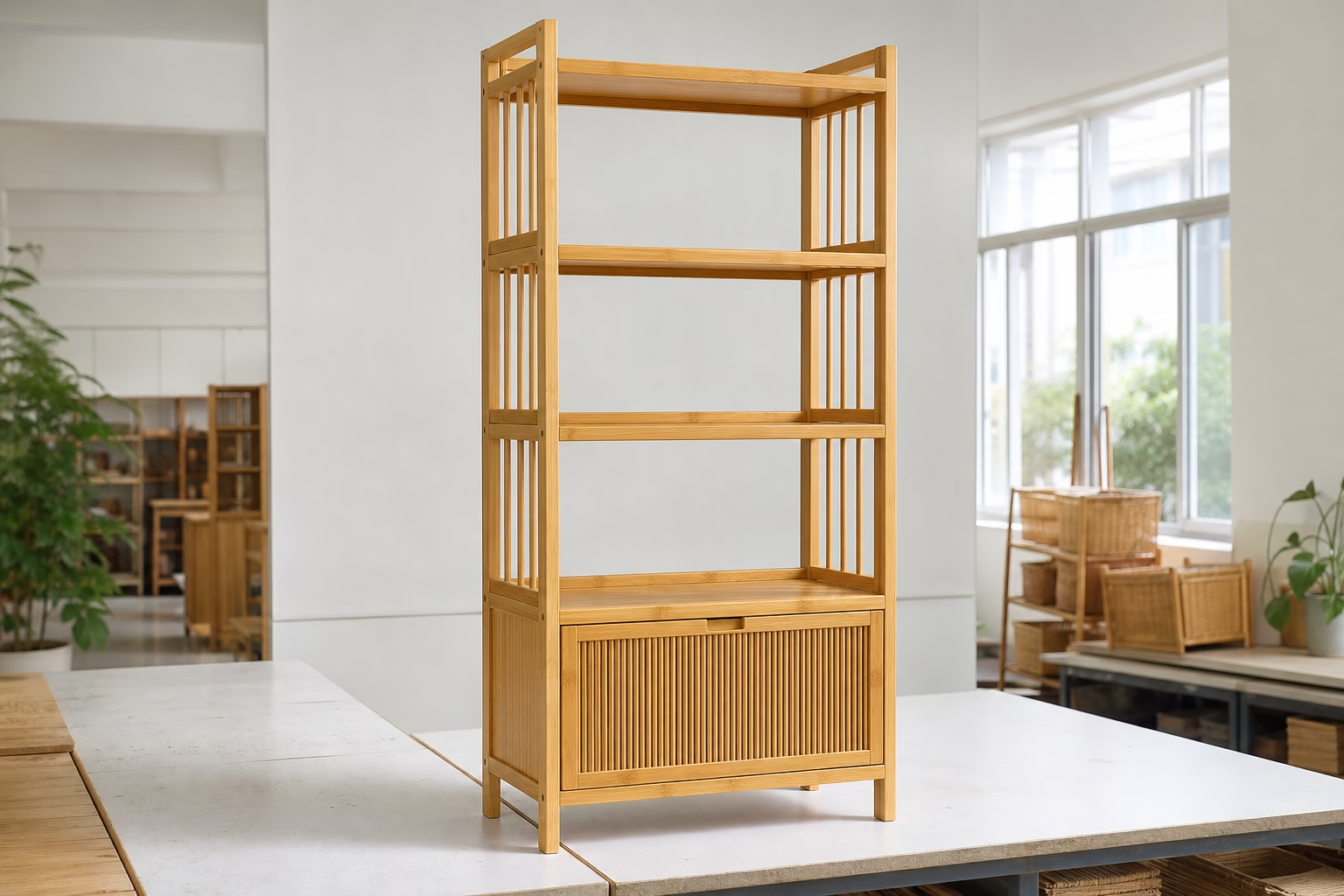
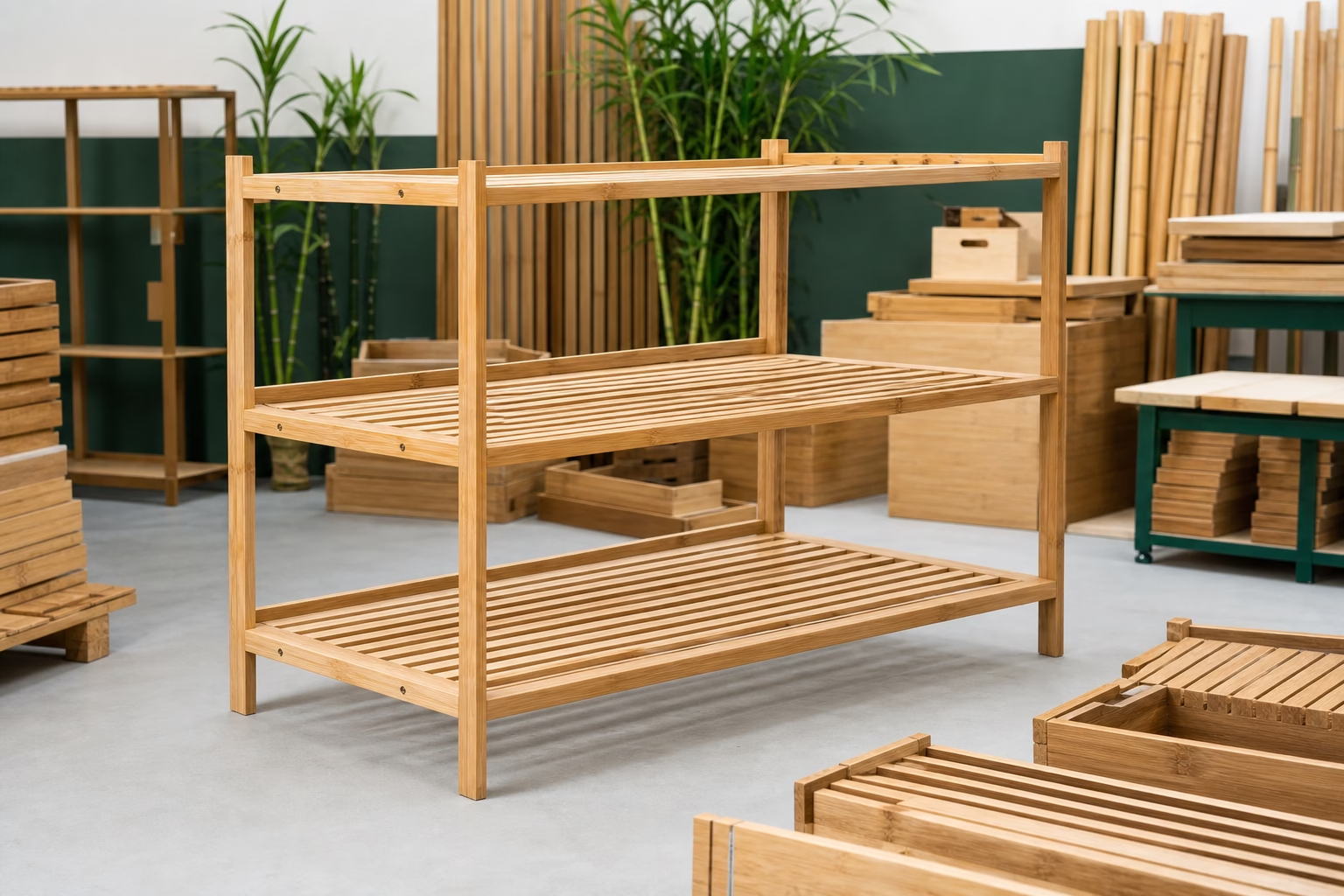
Structural choices should follow the storage purpose and the intended visual direction. Your brief may compare a single-level rack with a multi-level design, open sides with supported sides, or fixed components with removable parts. Describe the base form, shelf arrangement, support points and any preferred connection areas. Approved drawings or reference samples can guide raw material preparation, cutting and forming, panel joining and pressing, CNC machining and assembly. These processes support adjustments to the rack’s material, structure, dimensions, appearance and functionality. The final construction remains specific to the approved design rather than a standard configuration. Useful structural information includes: For concept-led projects, our product design and development service provides a route to review materials, dimensions, structure, appearance and function before sampling.
Number and Position of Levels or Support Surfaces
Open or Partially Supported Sides
Base Shape and Contact Points with the Placement Surface
Fixed or Removable Components
Preferred Edge, Corner and Connection Details
Any Reference Product That Shows the Intended Appearance or Use
Decide How the Rack Will Be Delivered and Assembled
Tell us whether the rack should ship fully assembled, partly assembled or as separate components for later assembly. This decision affects the component layout, connection design, inspection points and packaging arrangement. For a buyer-assembled format, include the expected assembly sequence, component count, orientation and instruction requirements. State the packed size you are targeting and whether separate parts need individual identification. Do not assume that an existing assembly method will transfer to a revised structure; the format should be reviewed with the approved design. For a fully assembled rack, explain any concerns about protecting the surface, preventing movement in the carton and maintaining the intended presentation after unpacking. These details help connect assembly decisions with the packaging brief.
Select the Bamboo, Wood and Surface Direction
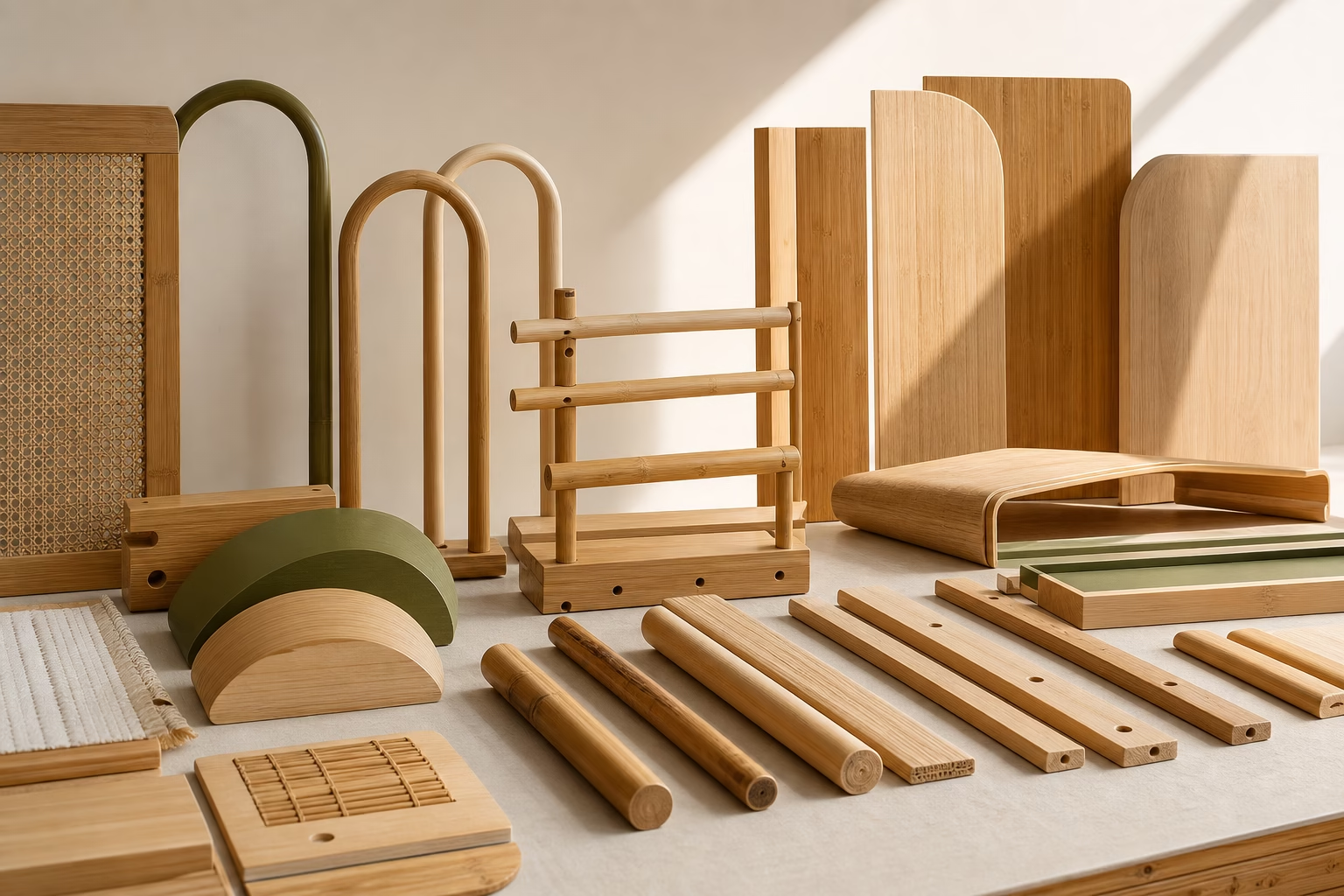
Confirm whether the project should follow a bamboo or wooden material direction. The choice should reflect the intended appearance, structure, processing route and target household use. Final material selection is subject to feasibility review for the specified design. Give the development team a clear appearance reference. Useful inputs include colour direction, visible grain preference, edge treatment, sanding expectations and the required surface appearance. SHENGLIAN provides precision sanding and surface-finishing processes, but the result must be reviewed on the selected structure and material. Do not rely on a material name alone to communicate the finish. A drawing, image, physical reference or written surface description can reduce uncertainty during sample development. If your wider sourcing brief requires a neutral material comparison, see Choosing Bamboo or Wood for a Product .
Plan Branding for the Rack and Retail Presentation
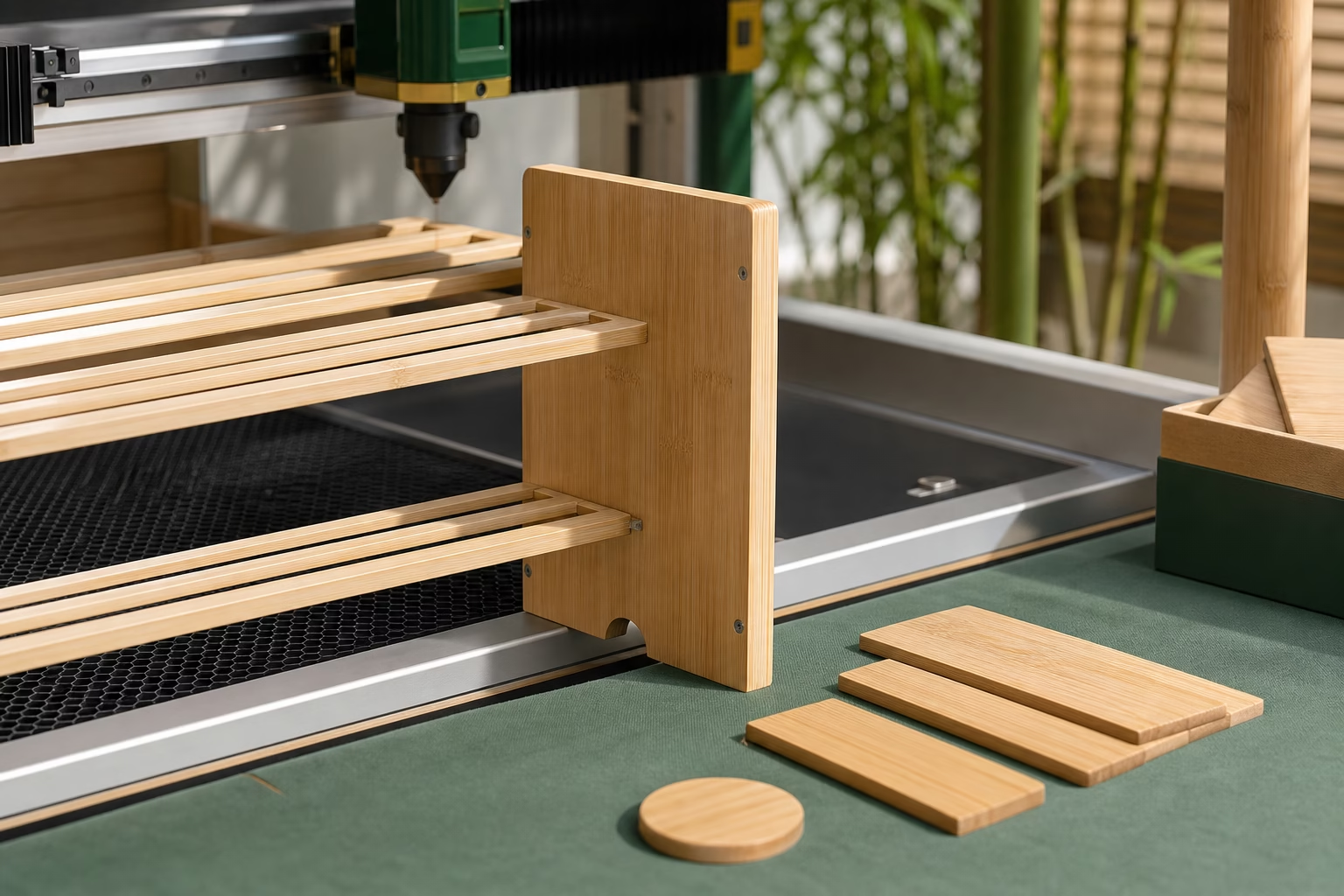
Brand placement should be considered with the rack’s viewing angles and component layout in mind. Identify the preferred logo position, artwork size, visibility and any areas that must remain clear for stored items or handling. Laser engraving and screen printing are available for bamboo and wooden products. The suitable method depends on the selected surface and artwork. Placement and appearance should be checked through artwork review and sample approval before production. For broader private-label requirements, including labels, barcodes and retail information, review our private-label manufacturing service . Keep the rack brief focused on the product surfaces and brand elements that must be applied to this specific structure.
Connect Packaging Requirements with Inspection
Packaging should reflect the rack’s assembled condition, component separation and surface protection needs. SHENGLIAN offers standard export packaging and customized retail packaging. Packaging structure, printing, labels, barcodes, inserts and carton requirements are confirmed for each project. Include the following packaging decisions in the project brief: Our quality sequence covers incoming material inspection, first-article approval, in-process inspection, finished-product inspection and pre-shipment inspection. These checkpoints can be linked to the approved rack dimensions, appearance, assembly condition and packing requirements. They do not represent a universal load, stability or durability result. For a closer look at packaging choices, visit custom retail and export packaging .
Whether the Rack Is Packed Assembled, Partly Assembled or as Separate Components
Protection Needed for Finished Surfaces and Exposed Edges
Labels, Barcodes and Inserts
Carton Requirements and Destination-Related Delivery Information
FAQ
Frequently Asked Questions
Provide the intended household use, items to be stored, target dimensions, usable clearances, structure, assembly format, material direction, surface appearance, branding, packaging, quantity and delivery requirements. A drawing, image or reference sample can also help the team review the concept.
Describe the item type, quantity, position on each level and approximate combined weight. Add the expected loading pattern, placement surface and access direction. These details become technical requirements for structure review and sample approval; they are not a universal performance rating.
Yes. The rack can be developed with adjustments to dimensions, structure and functionality according to approved specifications or samples. State both the external space available and the usable clearance required for the intended items.
Both delivery directions can be discussed as part of the project brief. Confirm the desired assembly condition, component separation, instruction needs and packed size. The chosen format affects structure, inspection and packaging review.
Include the logo position, artwork size and preferred decoration method, such as laser engraving or screen printing. For packaging, specify assembled condition, surface protection, printing, labels, barcodes, inserts and carton requirements. The selected result is confirmed through project review and approval.
Quality procedures include incoming material inspection, first-article approval, in-process inspection, finished-product inspection and pre-shipment inspection. The checks are coordinated with the approved product and packaging requirements for the project.
Discuss Your Rack Structure
Share the household use, intended items, dimensions or reference design with our team. We will review the structural direction, customization requirements and packaging route needed for the next project step. Discuss a Rack Structure